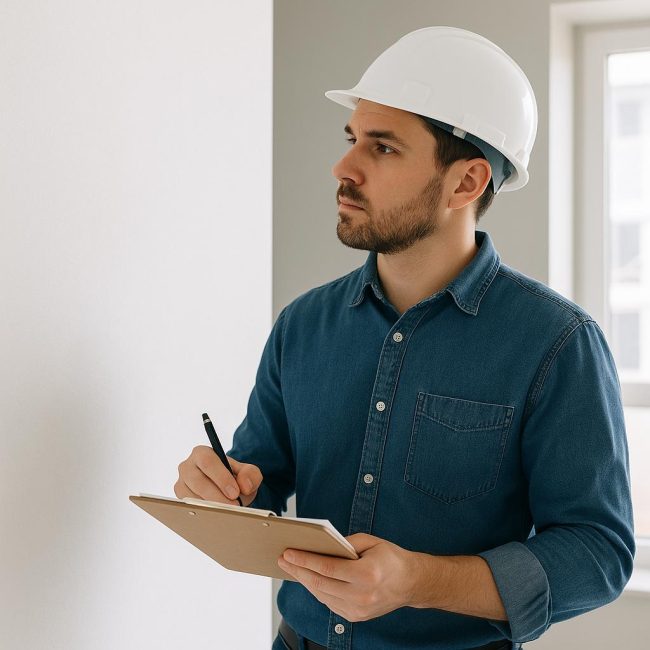
Buying a home is one of the most important events in life, and the long-awaited moment of moving in is always associated with excitement. However, it is the acceptance of apartments in a new building that marks the moment when the future owner's expectations collide with the reality of construction. At first glance, the apartment may appear ready for occupancy: smooth walls, fresh finishes, and neat plumbing. But behind the veneer, defects often lurk that are easy to miss without a careful inspection.
Why does this happen? Construction companies often strive to deliver a project on time to avoid penalties. In the rush, some defects are not corrected, and some problems go unnoticed altogether. A shareholder accepting a home without a professional often lacks the experience and knowledge to identify all the details. As a result, the responsibility for correcting the errors falls on the owner's shoulders.
Let's take a closer look 10 Most Common Hidden Defects, which are most often encountered when handing over new buildings.
Uneven walls and floors
Visually, the surface may appear level, but a level or straightedge reveals discrepancies of several centimeters. This isn't just a cosmetic defect: uneven walls make it impossible to properly hang wallpaper or install furniture. Uneven floors will also cause furniture to become uneven and create problems with flooring installation.
Cracks and chips
During the acceptance stage, all walls and ceilings should be carefully inspected. Small cracks may seem insignificant, but they sometimes indicate problems with building settlement or improper concrete pouring. Such defects can later expand, leading to costly repairs.
Problems with windows
Windows are one of the most common sources of heat loss. Defects can range from poorly installed hardware, crookedly installed slopes, and gaps under the windowsill. Sometimes, double-glazed windows have scratches or cracks that are only visible under certain lighting conditions. It's also worth checking the tightness by holding a piece of paper or a lighter to the joints.
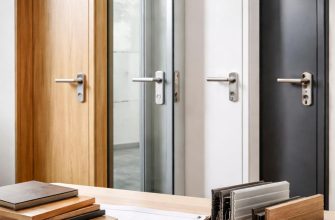
Incorrect door installation
Interior doors or entrance doors are often installed at a warped angle. This can result in the door closing on its own or not latching properly. Another problem is gaps in the frame, which allow heat to escape and noise to pass through.
Wiring errors
Electrical wiring is something you can't check by eye. Outlets can be installed too close to the floor or, conversely, too high. It's not uncommon for wiring to be under load or improperly distributed across rooms. This only becomes noticeable during operation, when several appliances are turned on simultaneously.
Plumbing defects
Hidden leaks, poorly sealed connections, and improperly connected toilets or faucets are all common issues with new construction acceptance. Sometimes pipes heat unevenly or make noise, and the bathroom lacks a slope for water drainage, causing puddles.
Ventilation problems
Shareholders often find that the air in their apartment is stagnant and the ventilation grilles aren't working properly. To check, simply hold a piece of paper close to the air: if it doesn't stick, there's no draft. Poor ventilation leads to dampness and mold.
Thermal and sound insulation
Even new homes often suffer from poor soundproofing. Hearing neighbors above or to the side is a common problem. Frostbite in corner apartments and inadequate balcony insulation are also common, especially in winter.
Poor quality finishing
Even if an apartment is delivered turnkey, the quality of the materials may be questionable. Peeling wallpaper, bulging laminate flooring, unevenly laid tiles—these are all defects that only become apparent upon close inspection. Sometimes builders skimp on materials or work in a rush, which impacts the durability of the finish.
Violations in documentation and acts
Beyond technical defects, there's also a legal aspect to the issue. Sometimes, the apartment layout doesn't comply with the design documentation, or the required metering inspection isn't carried out. If such violations aren't recorded promptly, they can be difficult to prove later.
How to prepare for acceptance
To minimize risks, the future owner should draw up a contract in advance checklist for verificationIt can include:
- level, tape measure and flashlight;
- wet tester or multimeter;
- a camera or smartphone to record defects.
Some prefer to hire an independent specialist to professionally assess the apartment's condition. This is especially important for those purchasing a home with a mortgage and don't want to invest in expensive renovations immediately after moving in.
Result
Acceptance of an apartment in a new building is more than just a formality; it's a key step that determines comfort and quality of life for many years to come. Even if the apartment appears perfect, hidden defects are common. It's important to devote maximum attention to this process, documenting all defects, and seeking their resolution at the developer's expense. After all, it's at this stage that the equity holder has a real tool to protect their rights.