Plastic pipes
Plastic pipes offer numerous advantages, making them widely used in all industrial and commercial sectors. These products are easy to install and operate, and are environmentally friendly.
Today, the market offers a wide variety of polymer pipes, each with its own characteristics and intended purpose. In this section, you'll learn about the following types of polymers:
- Polyethylene pipes—products with an external diameter of 10 to 110 mm—can withstand temperatures up to +95°C and pressures up to 10 bar. They are used for underfloor heating, heating systems, and plumbing.
- Polypropylene pipes are durable, with a maximum temperature of 70°C and a pressure of 10 bar. They are used in hot and cold water supply systems, but are not recommended for heating.
- Polyvinyl chloride (PVC) pipes are lightweight, corrosion-resistant, and affordable. They are recommended for cold water supply and sewerage systems, but are not suitable for heating systems, as their maximum temperature limit is 40°C (104°F). However, new types of PVC products have been developed that can be used for heating systems, as indicated by special markings.
- Metal-plastic pipes are durable, have increased chemical resistance, and are resistant to high temperatures. They are designed for heating systems and hot water supply.
As you can see, the applications of plastic piping are varied. You can learn more about this in the articles in this section.
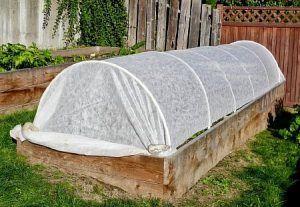
Any garden plot will benefit from a homemade greenhouse built from plastic pipes. This design allows for the garden to be ready as early as early spring.

SNiP stipulates that the optimal number of radiator sections required depends on the thermal energy they emit.
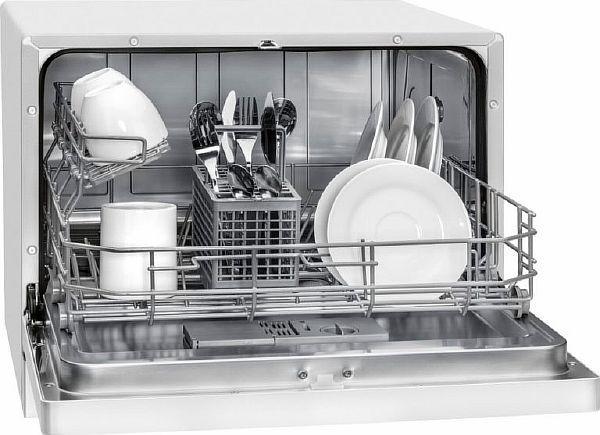
The attitude towards household appliances for washing dishes is still quite critical. But many still decide to take this step, so before purchasing such
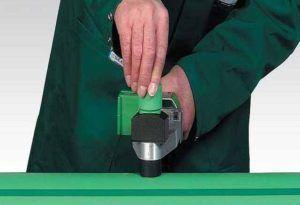
Plastic water pipes made of polypropylene are becoming increasingly popular, in part because the installation technology is very simple and can be done independently.
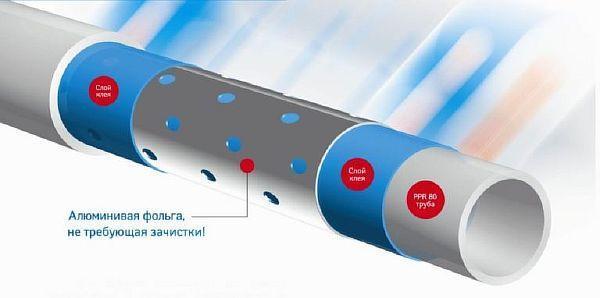
The construction of plumbing systems using plastic materials is already becoming a tradition. Polypropylene pipes are the most popular for heating.
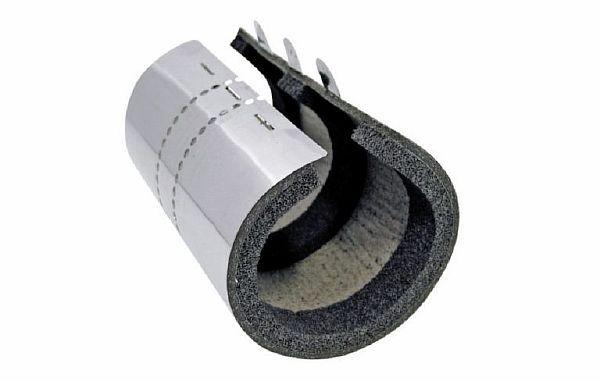
The installation of a sleeve for passing a pipe through ceilings should be carried out in certain cases, for example, when the pipeline is subject to thermal expansion.
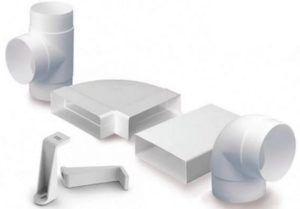
Plastic ventilation pipes for the exhaust hood are considered the main element of the ventilation system. They are used to form a channel that supplies fresh air.
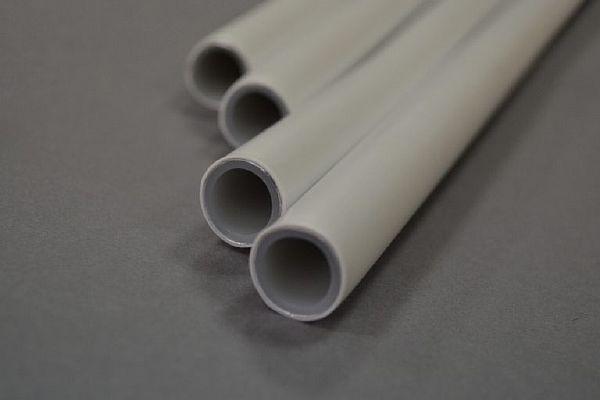
A tool for installing metal-plastic pipes is an indispensable attribute when laying any pipeline. It is difficult to imagine a system
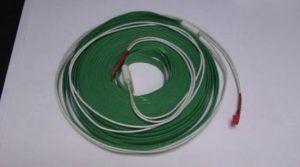
In our country, the problem of preventing freezing of water supply or sewer pipes is more relevant than anywhere else.
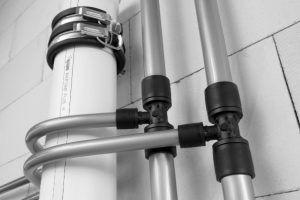
Communications based on cross-linked polyethylene have recently become increasingly popular. This material is distinguished by its affordable prices, combined with
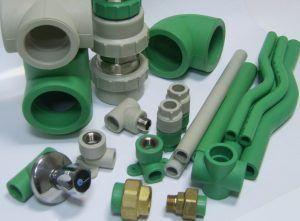
The term "polypropylene pipes" encompasses products from many manufacturers. They are made from a variety of raw materials, with all sorts of installation components.
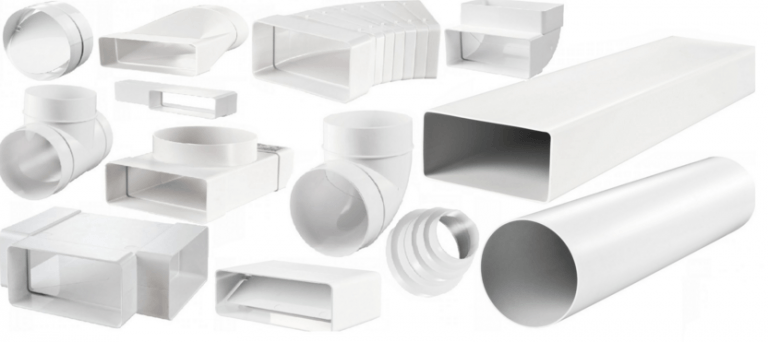
The weightlessness of plastic ventilation pipes continues to amaze consumers. However, skeptics remain
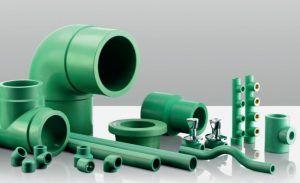
The selection of piping materials for water supply, heating networks, and sewerage systems in niches today is quite extensive. And yet, just recently,
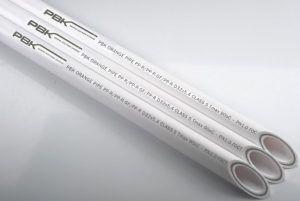
The Russian company "Plastik", whose products are known as polypropylene pipes RVC, was opened in 1989. Its specialization is the production of plastic
Polypropylene pipe products have firmly established themselves as leaders in the construction of water supply and heating mains.
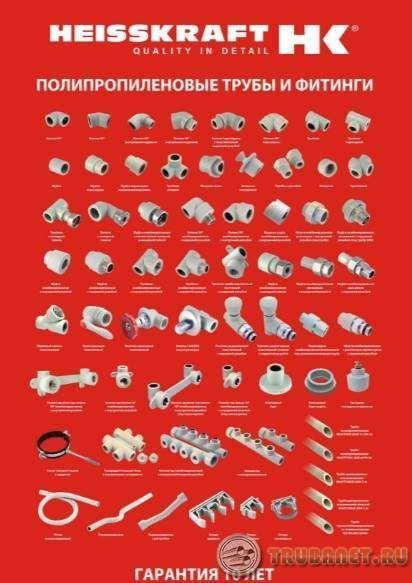
Heisskraft first began operations in 1998. From the very beginning, its management relied on the experience of German engineers in such matters
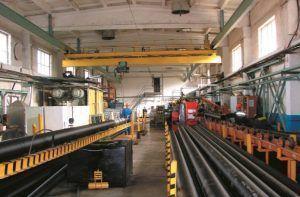
When considering the production of polypropylene pipes and fittings for water supply and heating pipelines, it is necessary to first obtain a detailed description.
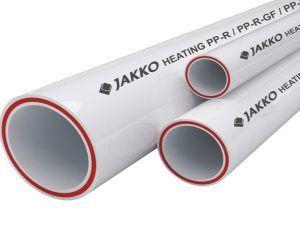
Polypropylene is a material obtained from petroleum products or petroleum cracking gases that combine with catalysts. Polypropylene is produced
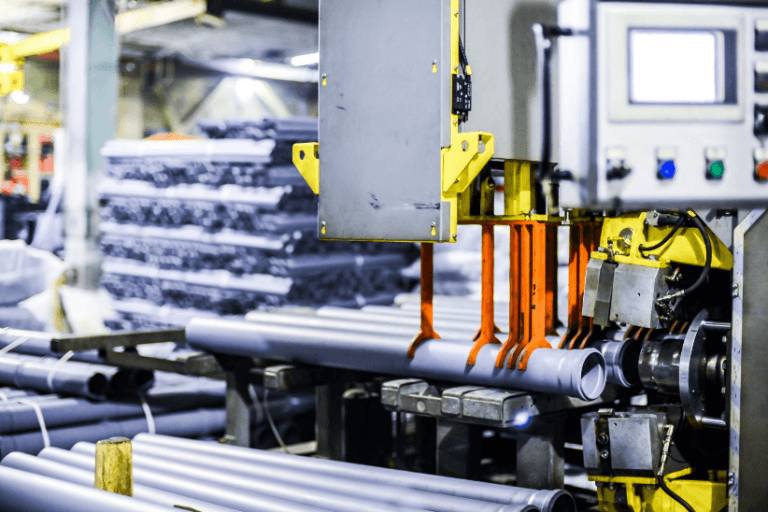
Polypropylene rolled pipes are confidently replacing cast iron and steel pipes. These materials boast excellent technical characteristics.
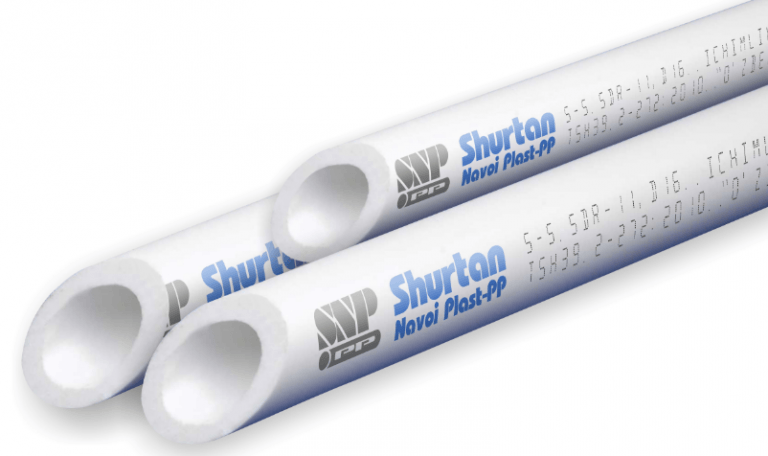
Everyone is familiar with products such as polypropylene pipes; their technical characteristics make them suitable for use in water supply networks for any building.