 When constructing modern utility systems, both polypropylene and metal-plastic materials are often used. Therefore, the average homeowner, before starting heating and plumbing installations, naturally faces the choice of which is better: metal-plastic or polypropylene pipes?
It's impossible to answer this question immediately and definitively. Even though both of these options are made of plastic, they still have their own unique characteristics.
Both products have only recently appeared on the market, but they have quickly gained popularity among consumers. Both metal-plastic and polypropylene have their supporters and detractors. This is due to both their advantages and disadvantages. These two types of rolled pipes differ not only in their technical characteristics but also in their installation methods.
For these reasons, in order to give any answers to questions regarding metal-plastic (MP) and polypropylene (PP) pipe rolling materials, can only be determined after a detailed study. And, once you have some knowledge about them, you can decide which pipes are best for a particular situation.
The term "polypropylene products" encompasses products from many manufacturers. They are made from various raw materials, have different parameters, and are used in a variety of applications.
Several brands supply polypropylene pipes, but determining which ones are best can be difficult. To do this, you need to explore the entire range.
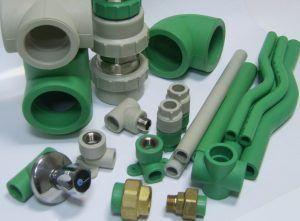
Polypropylene pipes are produced from the following raw materials: polypropylene (PP), polyethylene (PE), polyamide (PA), polyvinyl chloride (PVC), etc. Reinforced pipes for hot water supply or heating are also produced.
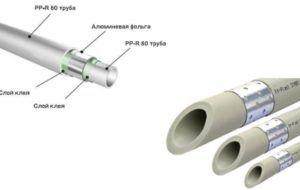 Reinforcement comes in the following types:
- Fiberglass.
- Aluminum foil.
- Polyethylene.
Reinforcement is placed closer to the outer surface or within the wall itself. When laying pipes, connections are made using soldering or threading. If soldering is used, the parts to be joined must be cleaned beforehand.
- Advantages of polypropylene materials
- Characteristics of metal-plastic pipes
- Characteristics of polypropylene products
- Diameters
- Resistance to temperature and pressure influences
- Thermal expansion and heat transfer
- Resistance to mechanical damage and oxygen penetration
- Advantages and disadvantages of PP and MP materials
- Pipeline installation
- What parameters influence the choice?
- Repair of metal-plastic systems
- Rolled pipes from German manufacturers
- Rolled tubular products from the Czech Republic
- Plastic materials from Italy
- Rolled pipes from Turkey
- Products from China
- Let's sum up which pipe rolling is better
Advantages of polypropylene materials
- They are environmentally friendly.
- They conduct heat poorly.
- They do not conduct electricity.
- Resistant to corrosion and chemical processes.
- They are lightweight.
- Ease of installation.
- They serve for a very long time (up to 50 years).
- They don't have a high price.
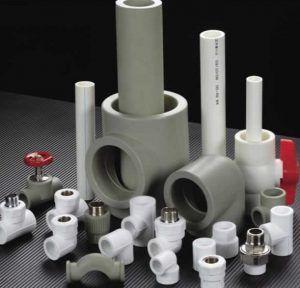
When choosing, first of all, it is necessary to know how the piping system will be used. If it is intended for water supply, the system must withstand significant pressure.
If it is heating, then you need to take into account the higher temperatureIf this is a sewer system, then a certain diameter is required for normal functioning.
After this, you need to calculate the diameter, the required wall thickness and determine whether reinforcement is necessary or not:
- For cold water supply, non-reinforced materials are better suited, but the walls must have a certain thickness.
- For hot water supply, reinforced pipes are required. Experts recommend using fiberglass reinforcement.
- The most important thing for a sewer pipe is the diameter.
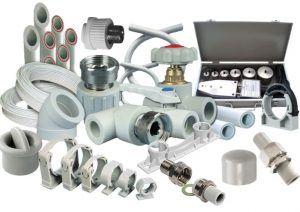 After all this, the moment comes when you need to decide which manufacturer's polypropylene pipes are best to purchase.
In today's market, in addition to domestic producers, you can find products from Italy, Germany, the Czech Republic, Turkey, and China.
Turkish and Czech pipes are the most popular with consumers. Although German manufacturers offer the highest quality, their products are too expensive. Chinese options, however, are inexpensive but not of the highest quality.
Video
Characteristics of metal-plastic pipes
When deciding which type is better, polypropylene or metal-plastic, it's important to thoroughly understand their technical characteristics. So, metal-plastic pipes are the first to be considered.
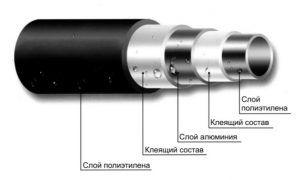
When examining a cross-section of a molded blank, a composition consisting of five layers is visible. These are: cross-linked polyethylene, adhesive, aluminum foil, a second adhesive layer, and another cross-linked polyethylene layer.
Any metal-plastic product is durable and reliable, with a service life of decades. In this regard, they are far superior to other similar products. This type of rolled pipe does not become clogged or laminated.
It resists corrosion and salt deposits. The material used to make these products is completely oxygen-resistant, non-toxic, and resistant to aggressive chemical environments.
When describing the characteristics of this rolled pipe, it's important to note that the polyethylene used in its production does not contain harmful impurities. For this reason, it is perfectly suitable for supplying drinking water.
Experts are unanimous in their opinion that MP water supply networks are in many ways better than their “brothers” made from other materials, including their polypropylene counterparts.
Characteristics of polypropylene products
The preceding characteristics indicate that metal-plastic pipes are an excellent material for plumbing, but it's too early to jump to conclusions about which options are better: MP or polypropylene, as an analysis of the characteristics of PP pipes is yet to come.
Polypropylene pipes can be found in many industries where rolled pipe is used. These pipe materials, similar to metal-plastic ones, are environmentally friendly products that guarantee the safe execution of technological processes.
The quality of this type of rolled pipe directly depends on the source material. Therefore, the development of polypropylene (a random copolymer), which exhibits high-temperature capabilities, was a major advance. In addition to its temperature performance, the elasticity and viscosity of this material have also increased. Water can freeze in this type of pipe system, while maintaining its integrity.
Diameters
To install a PP or metal-plastic pipeline correctly, it is necessary to select the correct diameter.
The most common diameters of MP tubular products are 16, 20, and 26 mm. Manufacturers also offer 50 mm and larger diameters, but these are not often used in domestic applications.
To install a water supply system in an apartment, 16mm and 20mm fittings are used. The latter option is significantly more expensive, so if the pressure in the network is low, 16mm fittings may be sufficient. The system's performance will not be affected at all.
Choosing the right diameter for polypropylene pipes also requires skill. A special hydraulic calculation is used for this. Purchasing pipes with a larger cross-section will be expensive, while pipes with a smaller cross-section will result in low water pressure in the network.
PP pipes are manufactured in volumes ranging from 16 to 1200 mm. Domestic systems operate perfectly with pipes from 16 to 32 mm. Indoor plumbing systems require 40, 50, or 110 mm pipes.
Resistance to temperature and pressure influences
At a pressure of 10 bar, the optimal operating temperature of metal-plastic is 950It should be noted that the pressure level at the highest permissible operating temperature is 10 bar. It is important to note that metal-plastic piping can withstand short-term temperature fluctuations of up to 110 degrees Celsius without compromising its integrity.
Pressure and temperature are key criteria when selecting PP products, as they directly impact their service life. For example, PN 10 polypropylene can operate at temperatures up to 45°C and a pressure of 1 MPa, while PN 16 operates at temperatures up to 60°C and a pressure of 1.6 MPa.
PN 20 can be used in hot water mains because it operates at temperatures up to 95°C at a pressure of 2 MPa. PN 20 can withstand the same temperature and pressure of 2.5 MPa.
Thermal expansion and heat transfer
The linear expansion of metal-plastic is low, equal to 0.026. Regular polypropylene, however, has a linear expansion of 0.15. This must be taken into account during installation. Reinforced polypropylene grades have a lower linear expansion, with a value of 0.03.
The method for compensating for linear expansion is selected based on the material's resistance to thermal effects. For these reasons, the expansion compensation options for reinforced rolled pipes differ from those for standard polypropylene.
To ensure that a PP and MP pipeline evenly heats a home, its heat transfer must be accurately calculated. For example, metal-plastic insulation exhibits heat transfer 175 times lower than steel. The coefficient for metal-plastic insulation is 0.36. Special formulas are also used to accurately calculate this value.
Polypropylene has a thermal conductivity of 0.23 W/m*s. Compared to steel, this is twenty times lower.
When calculating the heat transfer coefficient, special formulas are also used, taking into account the temperature of the transferred medium and the ambient temperature.
Resistance to mechanical damage and oxygen penetration
Although aluminum and cross-linked polypropylene exhibit high resistance to mechanical stress, they should be bent with extreme caution. Experts recommend using a special pipe bender during installation.
If the permitted bending radius is exceeded, the reinforcing layer will buckle and the seal will be lost. Manufacturers typically specify the maximum bending radius.
It is also important to note that the aluminum layer creates a diffusion barrier to oxygen penetration.
Turning our attention to polypropylene, it's important to emphasize that this material withstands mechanical stress and even impacts very well. It can withstand deformation for some time without breaking. This is facilitated by polypropylene's viscosity.
This material also offers excellent oxygen protection. Polypropylene itself is not susceptible to contact with oxygen dissolved in water, but it can seriously damage the metal parts of the system. This causes corrosion, which leads to rapid wear of the boiler or radiator.
For these reasons, I consider the best option to be a product range that uses a solid layer of aluminum foil for reinforcement, rather than perforated foil.
Advantages and disadvantages of PP and MP materials
Metal-plastic piping exhibits many positive characteristics. Among them:
- no overgrowth from the inside;
- resistance to corrosive formations and chemical environments;
- excellent throughput characteristics;
- light weight and plasticity.
This list could go on and on, but despite all its advantages, this material is not without its drawbacks. Constant temperature changes can lead to weakening of the joints because the plastic and metal layers have different coefficients of linear expansion.
In addition, metal-plastic exhibits high plasticity, but it is not recommended to deform it repeatedly.
Plastic pipes also demonstrate a wide range of advantages:
- ease of use;
- resistance to chemical influences;
- light weight;
- ability to withstand heavy loads.
But before making a final decision on whether metal-plastic or polypropylene pipes are better, it's important to understand the disadvantages of this type of pipe. These are as follows:
- may be destroyed by exposure to ultraviolet radiation;
- highly flammable;
- difficult to stick;
- do not tolerate chlorinated solvents well.
The best option can only be decided after a detailed examination of the pros and cons. It's also important to consider the operating conditions of the pipeline. If you have any doubts about the choice, it's best to seek professional assistance.
Pipeline installation
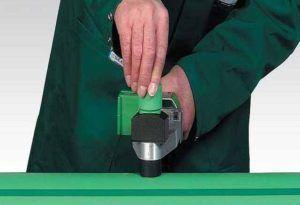
Installing PP pipes allows for high-strength connections. A welding machine is used for this. The entire process is not very difficult, and even a novice can handle it. However, the work requires time and patience. Polypropylene will not pose any problems during installation if everything is done correctly.
The only drawback is that polypropylene doesn't bend like metal-plastic and will only fit together at right angles. This necessitates the use of a large number of adapters, which means more time.
When considering the installation of metal-plastic systems, it's important to note that they are connected and assembled using special fittings. This eliminates the need for threading, and the entire process takes minimal time. However, connecting metal-plastic networks will cost one and a half times more.
MP network is also distinguished by its ease of installation. This product range is easily bent, allowing for a minimal number of connecting parts.
What parameters influence the choice?
The answer to the question of which pipes are better, PP or metal-plastic, depends on their intended use. For example, both metal-plastic and polypropylene piping materials are ideal for water supply.
Perhaps the only drawback is installation under ceramic tile. The problem is that metal-plastic plumbing systems can leak. For this reason, it is not recommended to conceal them completely within the wall. This is especially true for areas where fittings are located.
PP lines, on the other hand, can be concealed. However, during installation, it's important to allow for thermal expansion.
Experts' opinion on the question of which is better: metal-plastic Or polypropylene heating options, definitely. They claim that metal-plastic is the best heating option because it barely expands when heated. This is especially recommended for underfloor heating, as this polypropylene heating option can simply deteriorate.
Repair of metal-plastic systems
Metal-plastic demonstrates excellent corrosion resistance and strength. Therefore, if a leak occurs in an apartment, it could be due to improper installation or significant mechanical stress during operation. Poor joint quality may also be the cause. Leaks at fittings can often be fixed by tightening the nut.
What can be done if the pipe itself is leaking? If such a defect is detected, the affected section of the pipeline should be replaced immediately. If this is not possible, temporary measures must be taken. A bandage is most often used for this purpose. It is easy to purchase at hardware stores or make your own.
It should be especially noted that the MP pipeline, with professional installation and regular maintenance, will serve without leaks for a long period, without creating any problems.
Both polypropylene and metal-plastic products have deservedly gained popularity among consumers. Both options have technical characteristics that allow them to be used in plumbing and heating systems.
But, to summarize everything that's been said, the following can be recommended. If you're installing a water supply system, there's no significant difference. However, for a heating main, it's better to use metal-plastic. A less-experienced contractor should start with metal-plastic, but if the line runs through a wall, polypropylene is recommended.
Rolled pipes from German manufacturers
Their products are not only of excellent quality, but also of high value. They come with a long manufacturer's warranty, which is ten years.
Each such product has certain production and installation features:
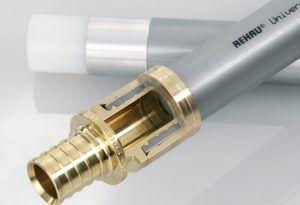
 For example, Rehau pipes are installed without soldering. They can be used even at sub-zero temperatures. The system is monolithic thanks to the cold pressing and sliding sleeve method.
- Wefatherm products are available in green and white, and are distinguished from other products by their thinner wall thickness. The coloring prevents air penetration and serves as protection from sunlight. The thinner wall thickness allows for reduced weight and cost.
- Banninger products are highly resistant to acids and alkalis. When frozen, they expand and return to their original dimensions after thawing.
Rolled tubular products from the Czech Republic
Ekoplastik piping is used not only in everyday life. It can be found in industry and even agriculture.
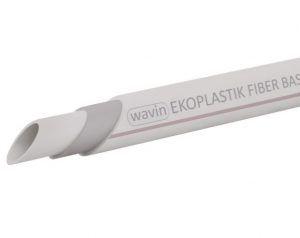 The Czech brand offers products of various diameters and for any pipelines.Their main advantage is their resistance to sub-zero temperatures. They do not deteriorate under these conditions.
These products connect perfectly by welding and can be combined with components from other manufacturers with different compositions. Threaded connections are also possible.
Plastic materials from Italy
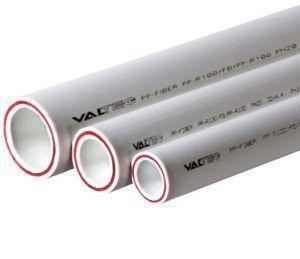 Valtec products are used in gas pipelines, as well as for transporting chemicals and liquids. They are also widely used in household communications.
When connecting by soldering, no cleaning of the components is required. They are installed using compression and press fittings (made of brass, these are considered the most reliable).
Rolled pipes from Turkey
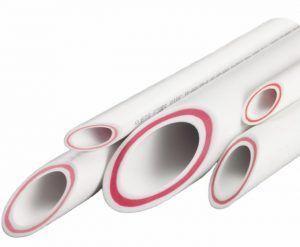 The goods are arriving from a Turkish manufacturer for twenty years, and is different good quality. The wide selection of choices deserves special mention.
The main advantage of this material is decent quality at a low price. Overall, the quality of the products is good, but a limited selection is considered a drawback. shaped elements.
Products from China
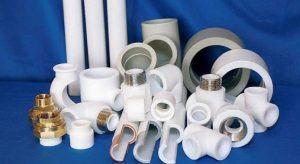 The most popular products are from the Blue Ocean brand, which is registered in the UK. Therefore, the quality of the products meets all European standards. Experts point out the following as a drawback: minor errors in diameter.
Each specific case is assessed based on the type of pipeline and the individual's financial capabilities. Of course, if funds are available, it's better to opt for German or Czech products.
Video
Let's sum up which pipe rolling is better
If you've decided to replace your plumbing or heating system pipes, you're faced with the following question: "Which is better, metal-plastic or polypropylene pipes?" This is a question that even professionals are asking.
Professionals assure that polypropylene pipes are better, than metal-plastic ones in many respectsThey are an excellent and win-win option because:
- Metal-plastic pipes are connected with nuts, threaded connections, fittings, and other connecting elements. Sealant is also used. After some time, the connection begins to leak, and such a system requires frequent, detailed inspection. All connections must be tightened. Polypropylene pipes are connected by welding and a special soldering iron. Each pipeline component is tightly joined and then secured. Socket welding creates a leak-proof connection in seconds, ensuring long-lasting durability.
- Polypropylene pipe joints are leak-proof, and the pipeline is often installed concealed. In this case, the room's design is up to personal preference, regardless of the pipes. Metal-plastic products lack these properties, and the room loses its aesthetic appeal.
- Polypropylene pipes don't accumulate deposits and are resistant to corrosion. Consequently, they won't develop a metallic taste or lose their internal diameter over time.
- Polypropylene is non-toxic and does not change the quality of water in the pipeline.
- Polypropylene also dampens noise and vibration, and has good sound-insulating properties. Metal-plastic products are not as "quiet."
- Metal-plastic materials are more sensitive to mechanical damage and they heat up more.
- The service life of metal-plastic pipes is 25 years, and their pressure resistance is -16 atmospheres. Polypropylene materials last up to 50 years, and their operating pressure is -25 atmospheres. Reinforced polypropylene pipes withstand very high pressures, making them suitable for installation in water supply and heating systems.
- When a polypropylene pipe freezes, it expands and returns to its original shape when it thaws. However, metal-plastic pipes burst after this process.
Polypropylene pipes are superior to metal-plastic ones. In domestic use, they have demonstrated significantly better technical and functional characteristics.
Another important factor worth mentioning is cost. Polypropylene materials are half the price of metal-plastic ones.
To sum it up, it can be stated that it is better to install polypropylene pipes in the cold and hot water supply system.
Metal-plastic pipes are better suited for heating and underfloor heating systems. The days of metal-plastic pipes are over, replaced by more reliable polypropylene.
IMPORTANT! Buy polypropylene pipes that have proven themselves in service. These are products from reputable manufacturers. This directly affects the reliability and longevity of the material. If you install a pipeline from an unknown manufacturer, there's no guarantee that you won't need repairs very soon after installation.