Various types of pipes can be used for hydronic heating systems: steel, polypropylene, metal-plastic, cross-linked polyethylene, copper, and corrugated stainless steel. Each has its own characteristics and properties. Metal-plastic pipes are ideal for hydronic underfloor heating systems.
In this article, we'll take a detailed look at the main types of piping materials, allowing you to make your own decision about which is best for your heating needs.
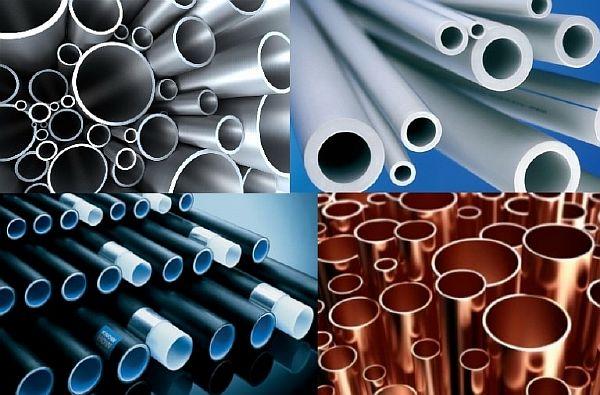
Cross-linked polyethylene (PEX) pipes are the best choice for heating, followed by steel. These materials possess the necessary properties to withstand high temperatures and pressures.
Installing a heating system is the most critical task when building a country house or renovating a city apartment. Comfortable living depends on its efficiency, especially given our country's climate. This raises a number of questions, one of which is the best type of pipes to use for heating an apartment or house.
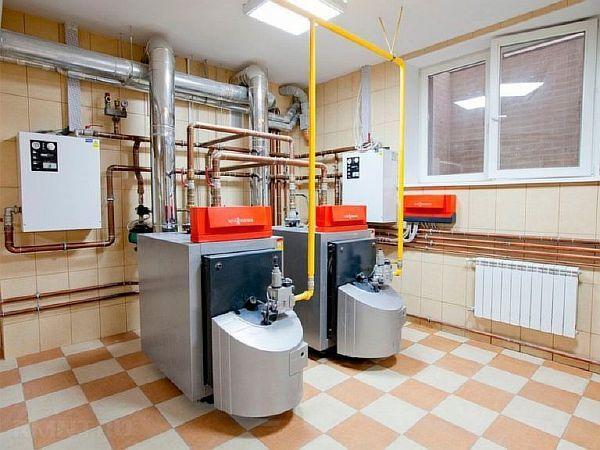
Throughout history, humanity has devised many ways to evenly distribute thermal energy throughout residential and commercial spaces. One of these is to use heating system pipes that deliver coolant from the boiler to the radiators.
Various materials are used for this purpose, and their quantity and quality are constantly growing. Let's take a closer look at which pipes are ideal for heating a house or apartment.
Polypropylene pipes
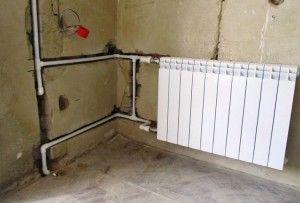 Steel and other metal components have long since given way to plastic materials. One of the most common materials in this family is polypropylene.
Polypropylene is produced from propylene gas by polymerizing its molecules. This occurs at elevated pressure and temperature.
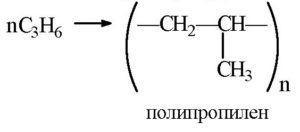
The result of the reaction is a fairly strong substance suitable for the production of various products.
Polypropylene is a thermoplastic—this is its main characteristic. When exposed to both temperature and pressure, the material sag and loses its shape, making it unsuitable for use in its pure form.
There are several types of polypropylene. For heating systems, PPRC products made from random propylene copolymer should be used. This material copes better with the factors mentioned above. When choosing polypropylene pipes for heating, consider reinforced versions. Currently, there are three types:
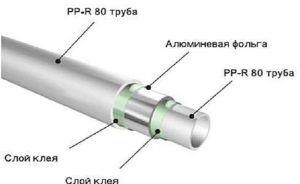
- Aluminum-reinforced sheets. This is done using aluminum strips 0.1–0.5 mm thick. They are wound onto a base and laser-welded. Alternatively, the aluminum strip can be installed with adhesive. In either case, the result is a reliable, durable product that can withstand adverse conditions. Furthermore, the aluminum jacket prevents oxygen from penetrating, which can promote corrosion of metal heating system components, such as shutoff valves, the interior of the boiler, and others.
- Glass fiber reinforcement is achieved by extrusion, where the base material and reinforcing additive are combined. The fiberglass layer is positioned midway through the wall thickness. The intermingling of glass fibers with long chains of polymerized molecules gives the material greater stability during curing.
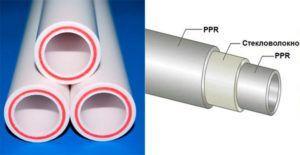
- Reinforcement is also produced from a pre-prepared mixture of fiberglass and polypropylene, which results in a homogeneous composition, reinforced according to the principle described above.
Reinforced polypropylene systems can withstand temperatures of up to 95 degrees Celsius at pressures up to 10 atmospheres. However, short-term temperature increases up to 110 degrees Celsius are possible without adverse effects. When choosing polypropylene pipes for heating, it's essential to choose reinforced products. They are marked PPR3-80 or PPR3-100.
Given the potential for using polypropylene pipes in water supply and heating systems, appropriate fittings and installation methods have been developed, allowing for the creation of networks of any complexity.
PEX - cross-linked polyethylene
A well-known product that surrounds us from all sides. One of its popular applications is in hot water pipes and heating systems. Cross-linked polyethylene (C-PE) is used in their manufacture.
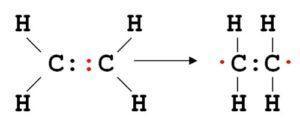 Let's consider how the process of polymerization of ethylene gas occurs.
When heated under pressure, one of the bonds between carbon atoms, initially weaker, is broken. The freed bond combines with a similar bond from a neighboring molecule. This creates long chains of molecules, giving the new material different physical properties.
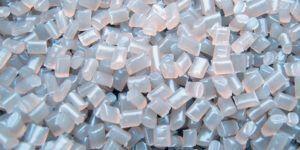 As the temperature and pressure continue to increase, chains of molecules begin to link together, forming more complex structures. This results in a stronger material—cross-linked polyethylene.
Pipes made from this material are also produced using extrusion (pressing). The material's properties allow for the production of infinite lengths. Therefore, cross-linked polyethylene pipes are typically produced in coils up to 600 meters long, depending on the size.
Why is this necessary? It's very simple: if you need to install underfloor heating, simply take a seamless pipe of the required length and lay it on the exposed floor. The question of which pipes are best for underfloor heating is self-evident once you understand that having joints and connections under a layer of concrete is not the best option.
Here, on the entire circuit, only two joints can be used - on the outside, at the point of connection to the manifold.
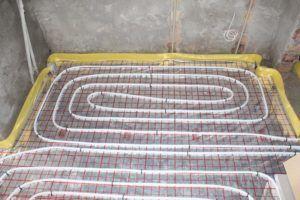 Let's look at some technical characteristics of pipes made of this material:
- specific gravity – 941 kg/m33;
- melting at a temperature of + 200 CO;
- combustion occurs at a temperature of 400 degrees, during which decomposition occurs into water and carbon dioxide;
- elongation during tensile tests ranges from 250 to 800%;
- high flexibility;
- maintaining impact strength down to temperatures of -50 degrees;
- safe operating time in heating systems up to 30 years.
With such quality indicators, cross-linked polyethylene pipes have a number of positive features:
- They do not react with acids and alkalis, and are also resistant to most organic solvents.
- Resistant to stretching and tearing.
- Do not crack under the influence of temperature.
- Biologically stable.
Tests on the number of freeze/thaw cycles show a higher material resistance of almost 30%.
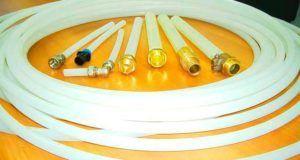 The range of sizes of cross-linked polyethylene pipes meets the requirements GOST 52134-2003 and corresponds to steel products. The peculiarity of the size designations is that they indicate the outer diameter of the product.
In this case, the DN size corresponds to the previous value. For example, a pipe measuring 40x4 mm corresponds to DN32. This feature should be taken into account when purchasing.
Metal-plastic
The list of plastic pipe types listed is not limited to these. Polyvinyl chloride (PVC) can also be used for their production.
All of these materials share one unfortunate characteristic: the ability to transfer atmospheric oxygen through existing micro-damages into the pipe cavity. Oxygen is a powerful oxidizer (oxidation comes from the word "oxygen").
As a result, this happens corrosion of metal parts of the heating systemWithout solving this problem, it is impossible to use such heating systems.
Various wall reinforcement methods are aimed at strengthening them. Aluminum reinforcement can be used to address the problem of coolant oxidation. When exposed to oxygen, this material forms a thin oxide film on the surface that is resistant to most aggressive environments, with the exception of mercury salts, which are extremely rare in nature.
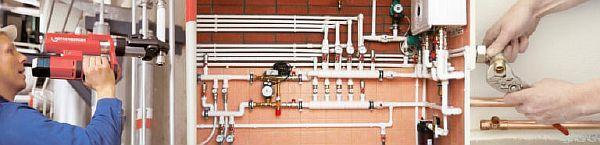
During the manufacturing process, aluminum tape is wound in a spiral, and the edges are laser-welded in a flow. An outer plastic layer is applied over the metal jacket. This creates a multilayer, oxygen-protected product.
When choosing metal-plastic pipes for heating, keep in mind that any type can be used, but pay attention to the material's characteristics and installation complexity. Cost and current market availability are also important criteria when choosing.
Steel heating
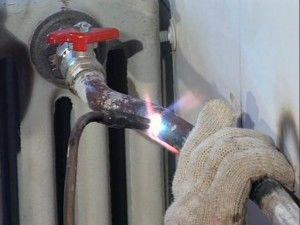 The advent of products such as liquid transport pipes made it possible to deliver heat to individual rooms. Metal pipes were among the first to be developed.
Today, they are mass-produced, driven by the development of the construction industry. Pipes for water supply, hot water supply, and heating are manufactured from strip steel in accordance with GOST 3262-80.
The most commonly used materials are St.3 kp, ps, and sp. This choice is driven by the requirement for good weldability, as this connection method is preferred for large-scale installation of water pipes.
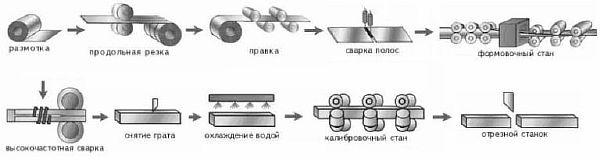
The above standard regulates the production of products of the following dimensions. The numbers in parentheses indicate the outside diameter of each pipe size, while the first number indicates the nominal bore, which roughly corresponds to the cross-sectional area.
- With a nominal bore of 6 (10.2) – 8 (13.5) – 10 (17.0) – 15 (21.3) – 20 (26.8) – 25 (33.5) – 32 (42.3) – 40 (48) millimetres. These dimensions are used in the installation of internal heating distribution networks.
- With a nominal bore of 50 (60.0) – 65 (75.5) – 80 (88.5) millimeters. These dimensions are suitable for in-house distribution systems in apartment buildings or supply lines for individual buildings.
- With nominal bore sizes of 90 (101.3) – 100 (114.0) – 125 (140) – 150 (165) millimeters. These products should be used in intra-block and courtyard heating main distribution systems.
For heating installations, it's best to use steel pipes with a protective coating. This coating is applied to both the outer and inner surfaces using hot-dip galvanizing or electrolytic methods, significantly increasing their service life. After welding galvanized parts, the seams should be treated with a special paint consisting of 95% zinc powder, with the remainder being binders.
The limiting parameter when bending pipes is the internal radius, the minimum size of which must be at least 2.5 times the diameter of the product.
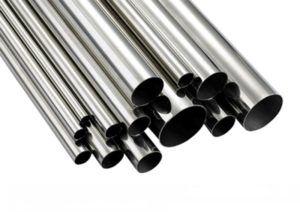 The positive properties of steel water pipes that allow them to be used for heating include the following characteristics:
- High plasticity and processability of the material, allowing the pipeline to be formed at the installation site.
- Availability.
- High temperature of the coolant, which can be transmitted through a metal pipeline.
- Possibility to set increased pressure in heating networks.
However, there are also disadvantages to their use:
- The need to orient the workpiece during bending so that the longitudinal weld seam is located inside the bend.
- The inner surface creates difficulties for the flow of coolant.
- The need for regular maintenance of the heating system to tighten threaded connections, eliminate leaks and paint the outer surface.
- Inevitable clogging of the internal lumen with iron oxidation products.
- Limited service life compared to plastic heating systems.
In recent decades, such products for heating systems are increasingly being replaced by plastic ones.
Stainless steel
Stainless steel products undoubtedly offer significantly superior performance characteristics compared to ferrous steel products. They are resistant to internal and external corrosion and require virtually no additional care or maintenance.
However, stainless steel has significantly lower thermal conductivity, which in a private home leads to higher fuel consumption, which can be considered a disadvantage. Another reason for the low popularity of stainless steel heating pipes is their higher cost, which is sometimes an order of magnitude higher than similar pipes made from other materials.
For stainless steel installation, special press fittings must be used, the cost of which is also prohibitively high.
Does a house or apartment need a heating system whose lifespan is many times longer than the normal lifespan of a residential building? Exactly!
Heating systems made of copper
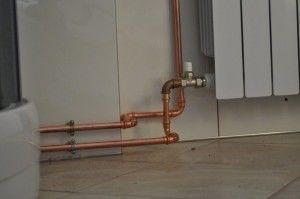 Such devices are now common among wealthy individuals. They are becoming a prestige factor, although the need for them is not immediately apparent. Copper, with its high thermal conductivity, is very efficient for heating. The appearance of such systems is very presentable, and they are reliable and durable.
Installing copper heating is just as easy as installing steel. The only caveat is that welding copper requires specialized skills and expensive silver solder.
The price of such heating systems is comparable to that of stainless steel. So, it's easy to see why copper hasn't gained widespread popularity—due to its high cost.
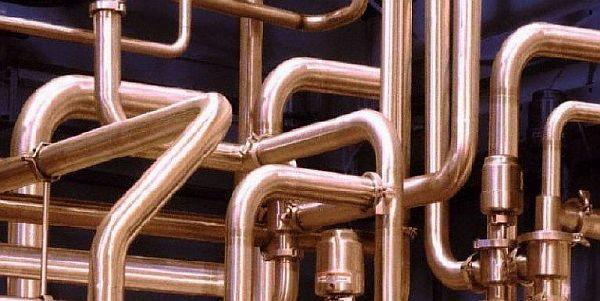
Which products are best for an apartment and which for a private house?
With the wide variety of pipe products available on the construction market, it can be difficult to choose a specific type. Skilled salespeople can easily demonstrate the advantages of their products, no matter what they are.
But even though you know the theoretical advantages of cross-linked polyethylene pipes, you shouldn't buy them right away. Logistics costs can impact the price, making locally produced polypropylene cheaper than imported material.
But PVC pipes are not suitable for heating, as they can withstand temperatures only up to +75 degreesPolypropylene products are somewhat more durable, but their maximum temperature of 95 degrees may not be sufficient for indoor use.
This option is suitable for a private home, where temperatures rarely rise above the specified limit, and short-term exposure to +110 degrees is not fatal for polypropylene.
The only remaining material is durable and reliable cross-linked polyethylene, which is what we should use for heating. After all, what's important is the system's long-term stability, not a temporary cost savings.
The essential requirement is the same for everyone: the presence of oxygen protection.
Provision of tools
When installing a heating system yourself, the question of obtaining the necessary tools and fittings for connections inevitably arises. Almost any chosen material requires a specific kit, which can be expensive.
When using compression fittings from any manufacturer, you'll need the appropriate tooling; another may not ensure a quality connection. The same applies to polyethylene soldering equipment.
There may be situations where renting equipment and tools isn't possible. Using split rings to connect polyethylene pipes seems like a practical solution; all you need is a pair of adjustable wrenches. However, professional plumbers consider this method unreliable.
How to choose the diameter of heating pipes
While the approach to material selection is more or less clear, the selection of pipe sizes requires separate consideration.
- Selected heating layout scheme.
- The magnitude of the resistance of the inner surface to the flow of coolant.
- Internal bore size of the pipeline.
- Coolant flow rates.
- Estimated cooling values when passing through radiators.
- The size of the outlet and inlet openings of the boiler (they are the same)
It's worth noting that thermal calculations are among the most complex in construction. Without specialized knowledge and skills, it's impossible to perform them independently.
Errors in this regard can result in excessive heating fuel consumption—at best. At worst, the error can result in insufficient indoor temperatures, necessitating a complete system overhaul.
Heating a building or apartment is a complex task that depends not only on the capacity of the heating system but also on the thermal insulation properties of the walls. Much of the generated heat can simply escape through inadequately insulated external walls.
It's clear that this problem must be addressed from the building design stage. Only an experienced specialist can create a high-quality design. However, understanding the basic principles of heating system design is essential, at least for qualified supervision during installation.
Thus, the initial section from the boiler, regardless of the material chosen, must be metal for at least one meter. The extension from there is made of plastic with the same nominal bore.
Next comes the branching of the heating pipeline, where the pipe size depends on its length. Most often, pipes of one nominal diameter smaller are used for the branching. If the supply pipe is DN 32, then after the branching, DN 25 pipes should be used, and so on. Individual branches are run along the heating appliances, which are connected to them using DN 20 pipes, and so on.
This procedure applies to gravity-fed heating systems. The same design principle applies to horizontal heating system layouts using heat pumps.
The question of which pipe diameter is best for heating remains unclear: when installing such systems, materials of various sizes are used depending on their capacity and branching.
Features of heating a private home
The choice of material for heating systems depends on the type of heating used. For example, plastic pipes generally cannot be used in steam heating systems, as their operating temperature is limited to 135 degrees Celsius.
When using a hydronic heating system, the type of fuel is important. Using solid fuel boilers means constantly adding wood or coal, which can cause short-term temperature increases to critical levels. Such a system requires metal or cross-linked polyethylene pipes.
A thrifty homeowner tries to use multiple heat sources with different fuels to be on the safe side, so as not to be left in a cold house during an emergency during the heating season.