I often get questions from property owners about which pipes to choose for heating a private home, ensuring it's both affordable and reliable. I'll tell you right away that there's no single answer. I determine the pipe type through calculations that take into account the building's and heating system's parameters.
I take into account the homeowner's financial capabilities and wishes, as well as other minor details. I'll try to explain things as clearly as possible and answer frequently asked questions.
- How do you envision heating your home?
- What types of pipes are there based on the material they are made from?
- Metal
- Steel
- Galvanized
- Stainless steel
- Copper
- Plastic
- Polypropylene
- Cross-linked polyethylene
- Metal-plastic
- Which diameter should I choose?
- What is the final choice?
- Question and Answer
- Video instructions
How do you envision heating your home?
In a heating system, the pipeline serves as the main conduit through which the coolant circulates. The efficiency of transporting the fluid heated by the boiler determines how quickly and evenly it transfers heat to the room.
Heating a private house can be done in two ways!
- A self-contained gravity-fed system without a circulation pump. The coolant, heated by the boiler, moves independently through a pipeline with a consistent slope. To ensure good circulation, it's best to install a large-diameter metal pipe in a private home's heating system.
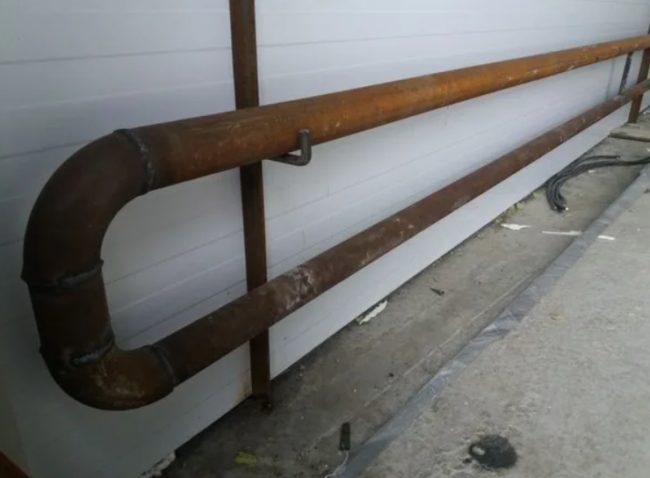
It's advisable to avoid radiators and convectors. In a gravity-fed system, they will become an obstacle, heating up to about halfway up the system.
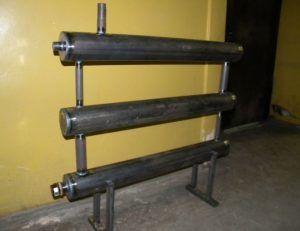
- In both autonomous and centralized forced-air heating systems, the coolant is moved by a circulation pump. The pressure is sufficient to evenly heat the pipes, convectors, and all radiator sections. For installation of a heating system with registers, use a metal pipe.
When installing convectors or radiators, you can connect them using plastic, but keep in mind the permissible operating pressure. In a home system, the pressure does not exceed 3 atmospheres. Central heating pressure can reach 16 atmospheres.
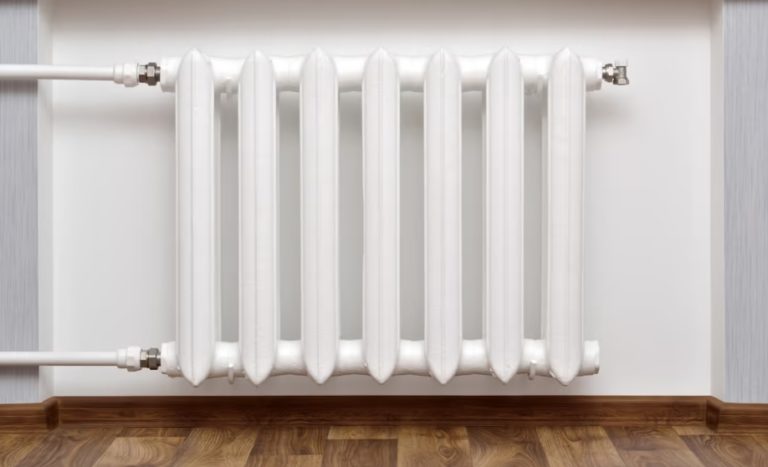
In a home system, the pressure does not exceed 3 atmospheres. Central heating pressure can reach 16 atmospheres.
Once you've decided on the type of heating system, think about how you envision it.
- Quietly working.
The noise of circulating coolant is irritating, distracting from work, and interfering with rest. Plastic heating systems, where the pipe diameter is reduced by smaller transitions, fittings, and bends, operate quieter.
- Easy to repair.
No utility system lasts forever. Over time, individual sections wear out and require replacement. In terms of maintainability, I recommend choosing plastic, which uses solder or crimp fittings for installation.
- Easy to install.
Installing metal wiring requires welding. The process is labor-intensive and expensive, requiring welding skills and equipment, or hiring specialists. Plastic wiring is easier to install, even if soldering is used.
- Long service life.
“Plastic” systems will last up to 50 years or more, while metal ones will only last up to 20 years.
- With an aesthetic appearance.
Cross-linked polyethylene or polypropylene pipes provide a more attractive layout. It's not always possible to create straight lines with metal-plastic pipes. However, a benefit of any plastic is their resistance to corrosion. The pipes don't need to be painted, and their attractive appearance makes them ideal for exposed installation. If you plan to install hidden main lines in a private home, the appearance of the pipes isn't particularly important. Their quality is more important, so you don't have to tear out wall or floor coverings to replace worn-out sections of the pipes.
- Inexpensive and easy to maintain.
Metal wiring will need to be painted periodically, which is time-consuming and expensive. The more layers of paint are applied, the less heat it can transfer. Replacing a rusted section of pipe will require hiring welders. Plastic wiring is easier and less expensive to maintain in a private home.
After analyzing the operational nuances, consider which pipes you would like to choose for your private home, taking into account your preferences. In my opinion, steel pipes are more suitable for a gravity-fed system. And for a forced-flow system, plastic pipes with radiators or convectors are more suitable.
What types of pipes are there based on the material they are made from?
Metal and plastic pipelines are relative terms. They differ in the material and manufacturing technology, installation method, and performance characteristics.
I'll try to explain in detail which wiring option to choose for a private home, with an overview of the pros and cons.
Metal
A common indoor plumbing option, known since Soviet times. Its advantage is its durability, while its disadvantages include difficulty in installation and its weight. Metal piping is difficult to damage by a heavy object or even if a child tries to climb onto it on a windowsill.
However, heavy wiring is more difficult to secure to foam blocks, plasterboard, and other fragile wall materials in private residential buildings.
Advantages:
- Strength;
- Reliability;
Flaws:
- Complex installation;
- Heavy weight;
Steel
This is the most affordable option in this category. Steel has good thermal conductivity and a low coefficient of thermal expansion. Long wiring lines can be installed without expansion joints.
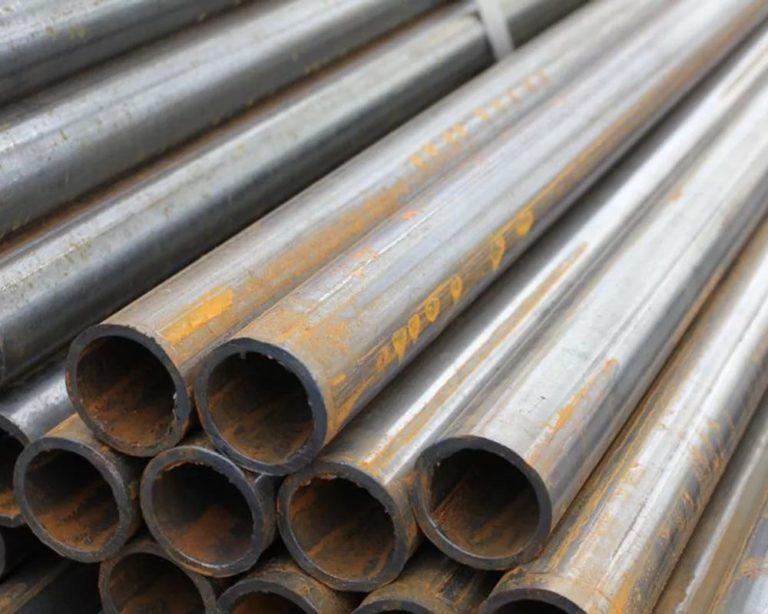
I'll explain the downsides of choosing steel piping for my home:
- Steel corrodes, but I don't consider the deterioration in appearance to be the main problem. Corrosion products form not only on the outside but also inside the pipeline. The coolant and filters become contaminated, which reduces circulation and heat transfer. Corrosion products accumulate at bends, welded joints, inside radiators, and on the pipe walls. This reduces the system's capacity and degrades heating performance.
- Steel conducts stray currents, which contribute to the acceleration of fistula formation.
Steel wiring is difficult to connect to radiators and convectors. Accurate welding is impossible. Sections of the walls will inevitably burn, requiring cosmetic repairs after the heating installation.
Galvanized
It differs from steel in that it has a galvanized anti-corrosion layer. The pros and cons are the same, but I'll highlight two additional drawbacks. The zinc layer increases the cost of the pipe. It provides partial protection against corrosion. The zinc burns off at the weld joints. If the straight section of the pipeline doesn't rot, the welds are unprotected.
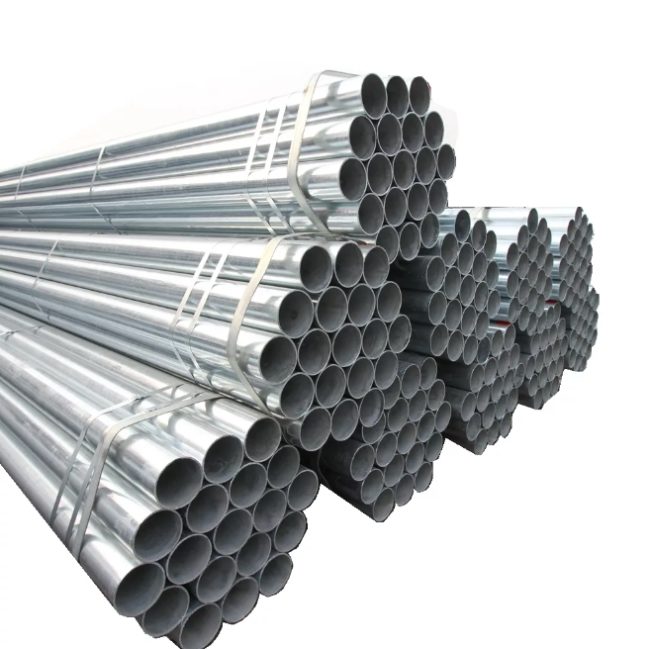
To prevent zinc scorching, you can make joints using a slip thread. This process is labor-intensive and requires lathe work. The pipe walls become thinner in the threaded area. The joints may not last longer than welded ones.
Stainless steel
Continuing our review of pipe choices, if we're talking about metal types, I'd recommend stainless steel. Flexible corrugated tubing is convenient for connecting to radiators. If necessary, straight lines can be made from regular pipes with smooth walls. Its strength and performance characteristics are the same as those of steel. I consider the following additional advantages:
- high resistance to corrosion even at joints;
- durability;
- inability to accumulate solid deposits on the inner walls;
- the ability to create complex-shaped lines for supplying radiators with corrugated hoses.
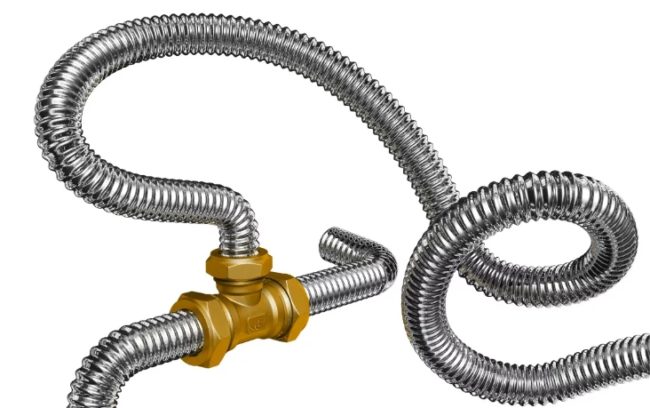
I think the only drawback is the high cost, but for heating a private home I would recommend stainless steel.
Copper
A high-quality, but rarely used, rolled pipe product due to its high cost. Copper has better heat transfer than steel and stainless steel. The resulting wiring is beautiful and requires no painting. Heating systems will last over 100 years due to copper's resistance to corrosion and scale buildup.
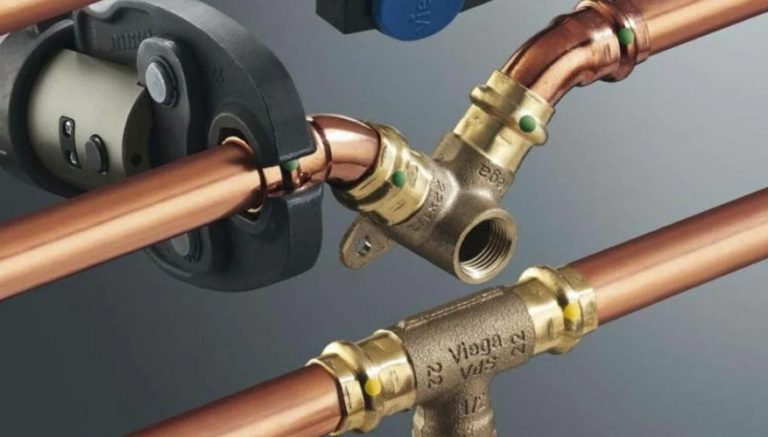
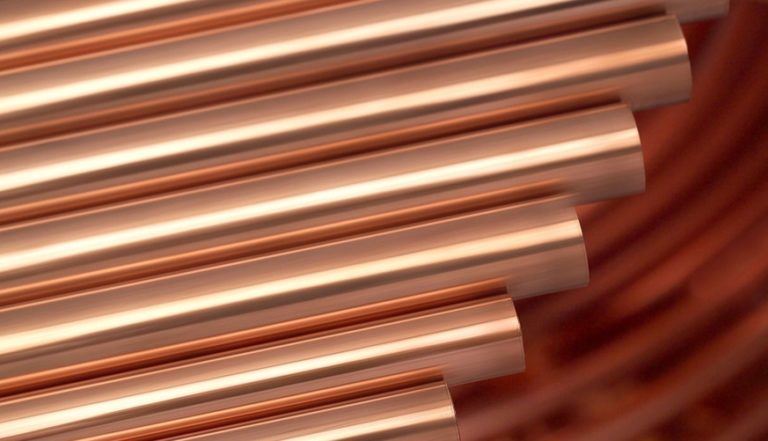
I can't 100% recommend copper wiring for a private home due to the finickiness of this expensive alloy. It's not advisable to combine copper with steel components in the same system. The resulting chemical reactions cause the unalloyed metal to rust quickly.
If there are no other options, place steel units in front of the copper pipeline in the direction of coolant flow.
Plastic
Plastic is a worthy alternative to metal. The advantages of all types of pipes include ease and affordability of installation and an aesthetically pleasing appearance. The passageway does not become clogged with hard deposits due to the corrosion resistance and smooth surface of plastic pipes.
The general disadvantage is weak mechanical strength and lower heat transfer compared to metal.
Polypropylene
Polypropylene pipes are suitable for heating systems in a private home. PPsThey are made of thermoplastics, which are poorly resistant to high temperatures, so reinforcement is essential. Non-reinforced polypropylene products are not suitable for heating systems. However, reinforcement is not so straightforward either:
- Fiberglass-reinforced polypropylene is convenient due to its quick and easy installation. However, I do not recommend this pipe for high-temperature heating in private homes. Fiberglass reinforcement allows oxygen to pass through, accelerating the corrosion of metal components. The inner walls of fiberglass-reinforced polypropylene pipes used in underfloor heating systems quickly become clogged with sludge from developing aerobic bacteria.
- Aluminum-reinforced polypropylene is designed for heating. I recommend using a pipe with a continuous foil layer and no perforations, laser-welded butt joints, for the plumbing system in a private residential building.
I consider the disadvantage of polypropylene to be its inability to be used in areas with a high fire hazard. Due to high linear expansion, expansion joints must be installed over long sections.
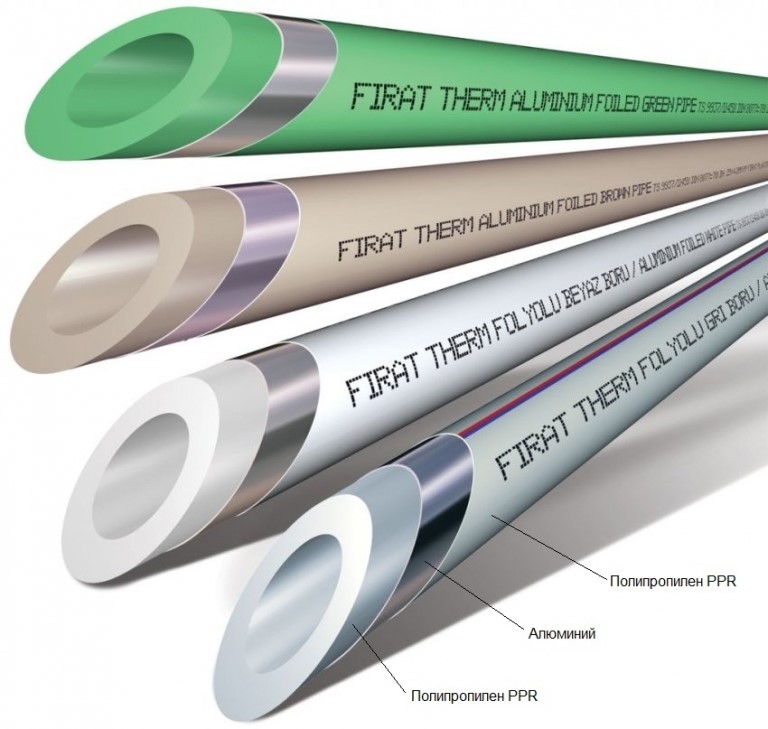
A significant advantage is that the heating system in your home will last for over 50 years, while the coolant flow through the polypropylene is virtually silent. These advantages are compelling enough to recommend foil-lined pipes for private homes.
Cross-linked polyethylene
PEX pipes made of cross-linked polyethylene are more flexible than polypropylene and are suitable for concealed installation. They offer increased resistance to pressure fluctuations and operating temperatures up to 120°C.OC. Service life exceeds 50 years. For heating, I recommend aluminum foil-reinforced pipes.
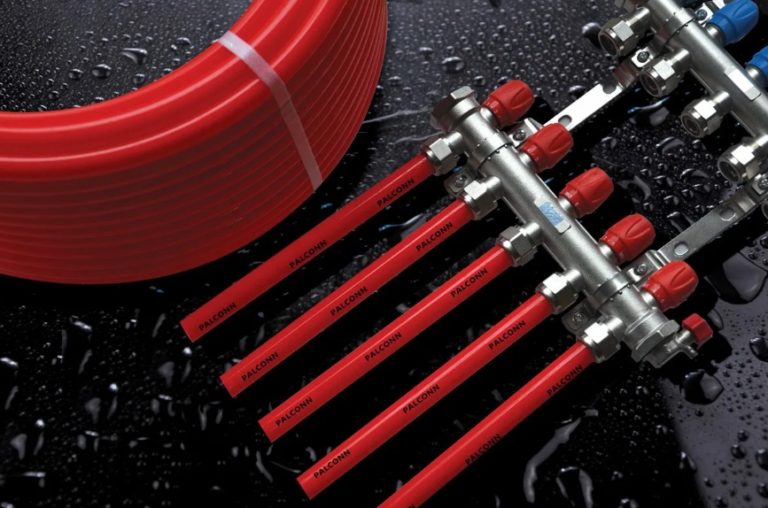
I consider the high cost of both the pipes and the fittings themselves to be a disadvantage. Polypropylene is prone to degradation from ultraviolet rays. Connecting the wiring components requires specialized tools and equipment. You'll have to purchase these or hire a plumber equipped with the necessary tools for the installation.
Metal-plastic
Flexible, foil-reinforced pipe is popular among homeowners for installing utility lines. The inner reinforced layer is sandwiched between two layers of plastic, protecting the metal from corrosion. The advantage of foil-reinforced pipe is its ease of use.
Flexible tubing can be easily molded into any shape it will hold. Avoid sharp bends. You can use both permanent and detachable fittings for connections.
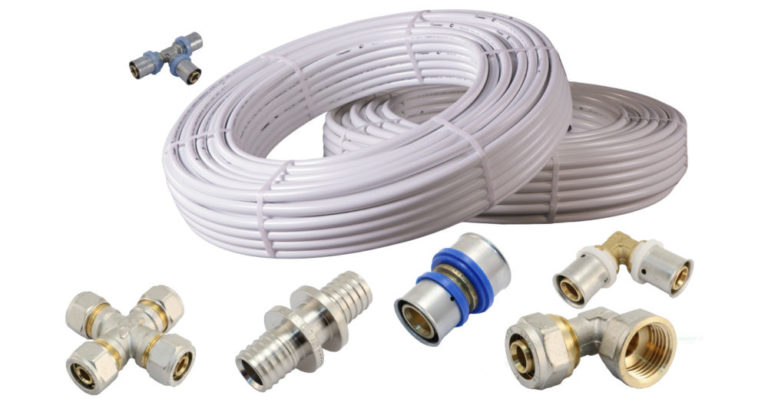
Among the disadvantages, I consider the plastic layer's poor resistance to ultraviolet rays. Metal-plastic pipes with fittings are more expensive than their polypropylene counterparts. Due to their low linear expansion, the pipeline can be embedded in a wall, but it can rupture in the winter in the event of an emergency freezing of the coolant or a strong water hammer.

Which diameter should I choose?
The capacity of a heating system depends on the cross-section of the pipeline. Engineers determine this parameter through calculations. I recommend that homeowners adhere to the following guidelines:
- 16 mm – for connecting 1-2 radiators;
- 20 mm – for 1-5 batteries with a capacity of up to 7 kW;
- 25 mm – for installation of heating with dead-end wiring;
- 32 mm – for arranging heating with a capacity of up to 19 kW for a large house or cottage;
- 40 mm – for connecting a group of 20 radiators with a capacity of up to 30 kW.
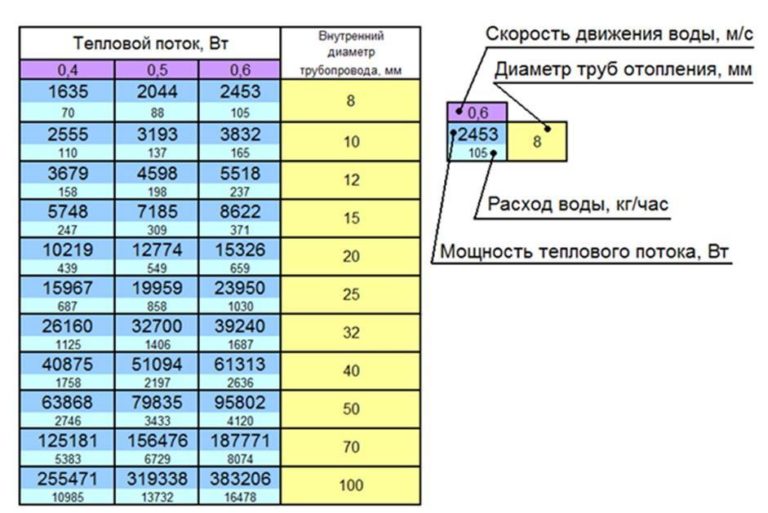 If you select the wrong cross-section, heating efficiency will decrease. This can lead to noise from the circulating coolant, water hammer, and pipe ruptures.
What is the final choice?
Which pipes should you choose from the available options for heating a private home? If you plan to install them yourself and want to save money, consider metal-plastic or polypropylene.
Use gravity-fed heating pipes with a minimum diameter of 50 mm. If you have the budget, I recommend assembling the radiator system from stainless steel corrugated pipe.
Question and Answer
Of all the varieties, I recommend polypropylene products with foil reinforcement. In a private home, the wiring will last at least 50 years and look aesthetically pleasing if installed correctly.
Quality depends on your skill and good materials. Try soldering or crimping fittings on pieces of tubing. It's better to ruin a few parts for practice than to ruin the wiring.
I have nothing bad to say about the Kalde and Valtec brands. I've been using them personally for seven years. Wavin Ekoplastik products have also proven themselves to be quite good.
Determine the number and type of fittings after developing the home's heating system. You'll need elbows, tees, plugs, adapters, and threaded nipples. Install taps and union nut fittings before the radiators for a detachable connection.