It's difficult to overestimate the importance of a chimney for the optimal operation of a heating unit. The primary function of this device is to remove combustion products from the firebox into the atmosphere. At the same time, the following tasks must be accomplished:
- Obtaining a uniform thermal regime in the house throughout the day.
- Optimal fuel combustion mode taking into account its economical consumption.
- High-quality removal of combustion products from the furnace and preventing them from entering the living area of the building.
The solution to this triune problem is ensured by the correct design of the heating unit itself and its high-quality maintenance during operation.
The chimney plays a key role in this process. The efficiency of this device is determined by several key factors:
- Proper selection of the chimney cross-section and dimensions. With a square or rectangular chimney, the flue gas flow, which rises in a spiral, creates stagnant zones in the corners. These are the first places where soot deposits form.
The flue size must be one and a half times larger than the furnace firebox opening. The minimum dimensions for a square flue are 140 x 140 millimeters, and the cross-sectional area of a round flue must be no smaller than the specified square dimensions. The total flue length must be more than 5 meters. The horizontal section is permitted to be no longer than one meter.
To improve draft in a square or rectangular flue, inserts are often installed, which to some extent reduces soot formation.
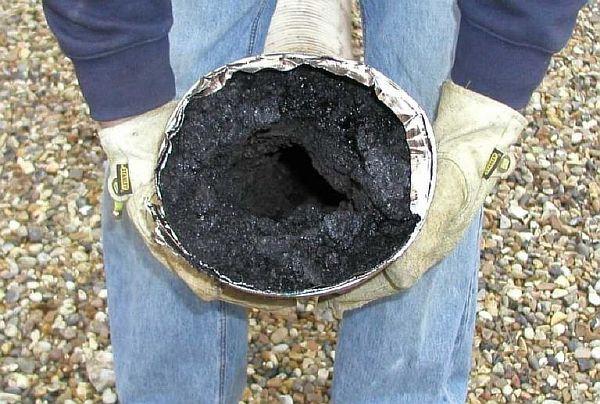
- The material the chimney is made of. In this case, two factors are important: the quality of the inner surface of the flue and the thermal conductivity of the material from which it is made.
In the first case, the influence of unevenness, in addition to reducing flow velocity, affects the ability of soot to settle. The high thermal conductivity of the pipe material promotes rapid cooling of the furnace gases, resulting in increased condensation and soot deposition on the wall.
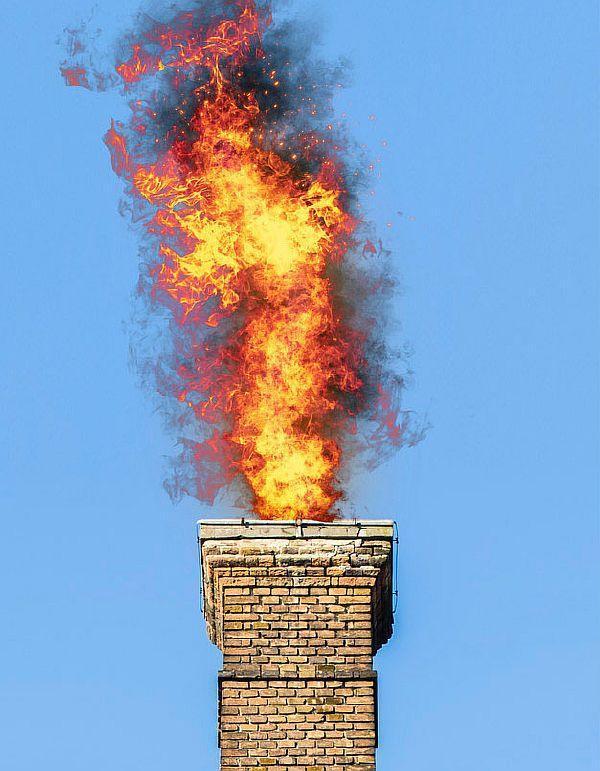
- The level of heat loss during operation. Insufficient chimney draft negatively impacts fuel combustion, leading to increased fouling of the flue. A soot fire in the chimney is often tantamount to a natural disaster.
The combination and interaction of the above factors determines the success of the smoke exhaust system.
We intentionally omit a number of rules and important factors in chimney construction, focusing the reader's attention specifically on the causes and consequences of soot deposit formation.
This article describes various methods for cleaning soot from a chimney yourself, including without climbing onto the roof.
- What is soot and how is it formed?
- About chimney pipe prevention
- Chemical cleaning methods
- Mechanical methods of soot removal
- Features of cleaning stainless steel pipes
- Cleaning the flue from resinous deposits
- Cleaning a curved chimney from soot
- Cleaning the flue of a gas boiler or water heater
- Tips and recommendations
What is soot and how is it formed?
Soot is a product of fuel combustion. It is present in flue gases as finely dispersed, unburned particles. In addition, they contain water vapor from the moisture in the fuel, carbon monoxide (CO2), and other products of active fuel oxidation. At high temperatures, a chemical reaction occurs, resulting in the formation of hydrochloric and carbonic acid vapors.
Hot smoke condenses on the inner surface, forming an oily, foul-smelling liquid. Solid unburned substances become trapped in this liquid, causing the condensate to eventually turn into a tarry deposit. If certain operating instructions for the heating unit are not followed, this deposit accumulates quite quickly, reducing the flue's cross-section to the point of completely blocking it.
It's important to note that condensation requires certain conditions. One of them is the temperature at which it begins. There's even a term for this: the "dew point." Obviously, as the chimney heats up, the dew point will spread up the flue.
A situation may arise where the dew point is outside the chimney, and condensation occurs in the open air. This suggests that it's impossible to avoid soot buildup on the chimney walls. However, a properly designed flue gas exhaust system significantly increases the frequency of cleanings.
About chimney pipe prevention
Heating systems have become increasingly sophisticated over the years. Experimentation has led to the development of several techniques that significantly reduce soot formation, such as:
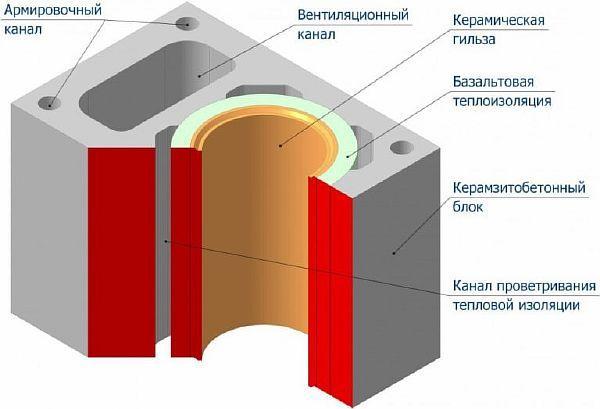
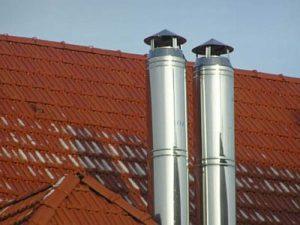
- Chimney insulation. This is accomplished by the following methods: plastering the surface of brick chimneys; covering the outer surface with various rolled or slab insulation materials followed by the installation of protective foil, sheet metal, or other materials; using special insulated blocks with ceramic pipes for the chimney; protective devices to cover the chimney outlet from debris and nesting birds; using double-layer metal sandwich pipes with an insulating layer.
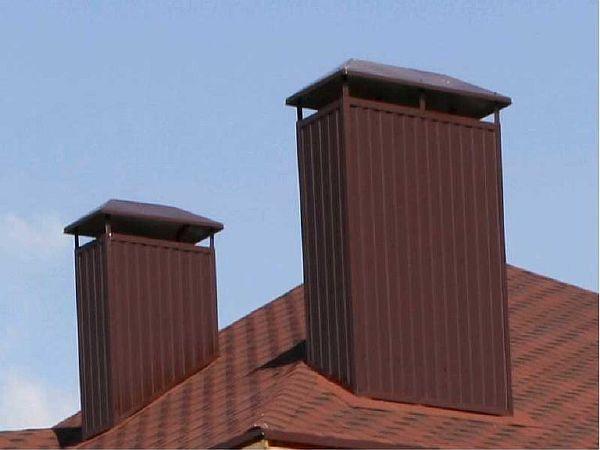
The purpose of all these measures is to create conditions for rapid heating of the flue gas duct, as a result of which the dew point in the process rises higher, until it reaches the environment.
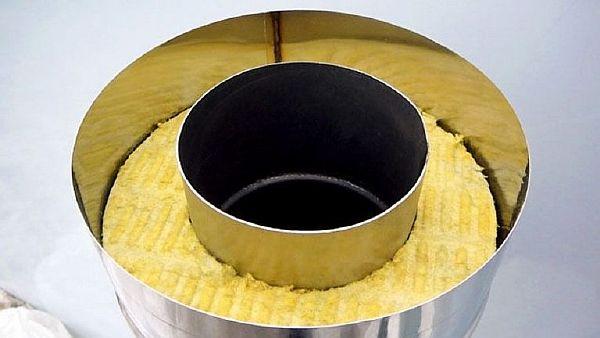
- The largest amount of soot forms on the bends of the chimney, so no more than one elbow should be used in the design unless it is absolutely necessary to change its direction.
- When installing a chimney, it is mandatory to scrape the inner surface in order to reduce the number of irregularities that contribute to the deposition of soot.
- Use of chemical or biological methods for cleaning the internal surface of chimneys during combustion.
Chemical cleaning methods
What can I use to heat my stove to clean the chimney? These substances include the following:
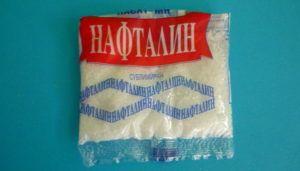
- Naphthalene. It is applied to the fuel surface of a well-heated stove. The naphthalene evaporates, and its vapors break down the soot layer. The soot flakes are released into the atmosphere. A drawback of this method is the unpleasant odor it leaves in the room. Therefore, it is not used for cleaning pipes where an open fire source (such as a fireplace) is present.
- A homemade blue mixture made from simple and readily available ingredients. Let's take a look at the ingredients:
- 1/5 copper sulfate;
- 1/7 saltpeter;
- 1/2 medium fraction coke.
The mixture is introduced into a well-heated firebox. The evaporation products, as in the first case, break down the soot layer, which is released with the flue gases. The amount of mixture introduced for one cleaning is approximately 20 grams, and it should be used once or twice a month. The firebox door should be tightly closed after introducing the mixture.
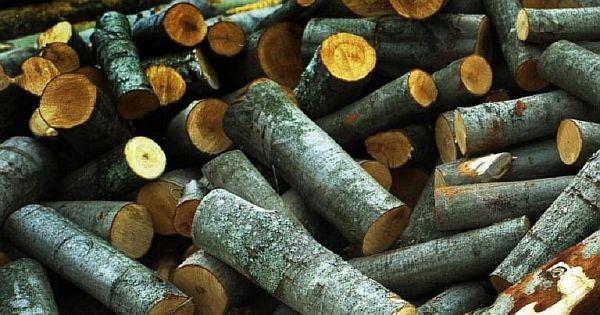
- To combat soot deposits, use aspen firewood, adding 1-2 medium-sized logs to a fully heated firebox. This firewood burns hotter than other fuels, and minor soot deposits burn off immediately during combustion. This method is not recommended for large deposits, as it can cause a fire. Regular cleaning is recommended, at intervals of a couple of times every seven days.
- Walnut shells. They also burn at a significant temperature, and the principle is the same as the previous method. A single dose of walnut shells should not exceed three liters.

- Rock salt. Add 1-2 tablespoons to the firebox when lighting the stove. Its vapor softens the soot layer in the chimney, causing it to peel off and fall into the collection tank.
- Potato peelings. They are used by adding up to 5 kilograms of dry soot to the firebox. The starch vapors effectively soften the soot, causing it to fall off the chimney walls in chunks. The product is used as it accumulates.
You can also use starch to clean the chimney, one spoon per firebox.
Chemicals for protecting chimneys. They are manufactured specifically to protect chimneys from carbon deposits and soot. They come in a variety of forms, from imitation wood or briquettes to powder or liquid compounds. We'll highlight some of the most popular ones.
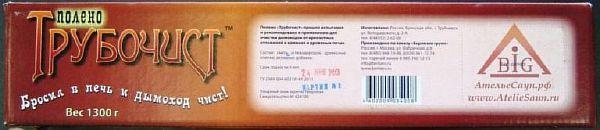
- "Chimney Sweep Log" is produced in small briquettes. It contains ammonium sulfate, phosphorus oxide, carbon wax, and may also contain other chemically active components. One to two logs are sufficient per heating season to maintain the chimney in good condition. This product prevents soot buildup during combustion, and loosens and removes old carbon deposits from the walls. It is available in chimney cleaning briquettes. Not to be confused with "Chimney Sweep Log," which is also an effective cleaning agent.
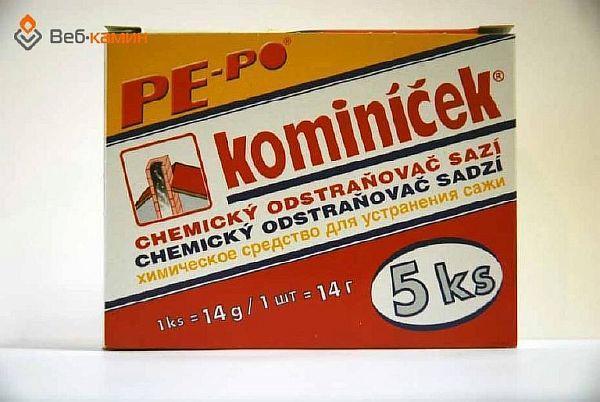
- "Kominichek" is a powdered substance containing 5 sachets of 15 grams each. It is based on copper chloride, which promotes flameless combustion of soot and carbon deposits at low temperatures without the use of a flame. It is recommended for use on deposits no thicker than 2 millimeters. When using the product, thoroughly ventilate the area.
- Anti-fouling chemical composition (AFC). The product is burned directly in packets in the firebox. You'll need about 200 grams per 1 ton of firewood.
A wide range of carbon deposit removers are available in stores, so you can always find the right option for any situation.
When using commercial chimney blockage products, it is essential to strictly follow the manufacturer's recommendations, especially regarding safety requirements.
Mechanical methods of soot removal
This is usually a drastic intervention and is performed at least once a year at the beginning of the heating season. This is necessary not only to remove the layer of soot but also wind-blown debris. Sometimes, it is also necessary to remove bird nests that have appeared while the heating unit is idle.
Mechanical cleaning is carried out from above the pipe using various tools and devices, both manually and using drives from an electric drill or chainsaw.
If the pipe lumen is heavily clogged with soot, the initial punching should be done with a clean core to remove the carbon deposits, and then continue with brushes and brushes until the walls are clean.
Before starting work, it's advisable to heat the stove with potato peelings or starch to soften the soot. After the stove has cooled, cover its surface with a wet sheet to prevent soot from leaking into the room if it collapses. If this happens, cleaning the room will take months. Also, close the firebox and ash pit doors tightly, and open the damper fully.
Work must be carried out using a roof ladder, and railings must be installed if necessary. Do not take strong medications before climbing to heights. Alcohol consumption is strictly prohibited. Otherwise, the chimney sweep risks their health.
All work must be carried out in dry, windless weather during daylight hours.
Video about a simple cleaning method
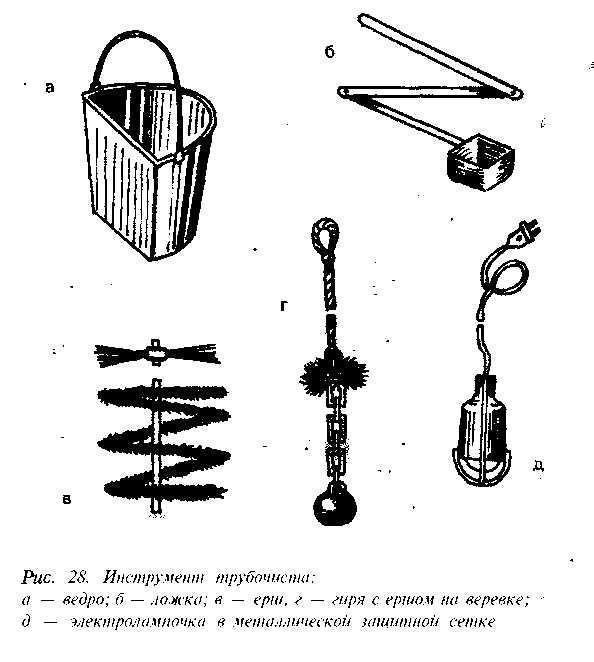
The following materials and tools are used in chimney cleaning work:
- A chimney brush. It can be made of plastic or metal and is 1.5 to 2 times larger than the chimney.
- A flexible cable with a handle for rotation (similar to a plumber's cable), as well as a fairly strong rope.
- A stiff brush with synthetic bristles on a long handle. It should be extended, as the chimney is at least 5 meters long.
- A metal weight, typically shaped like a ball. It is attached to a rope below the brush. The ball should be no larger than half the size of the chimney opening.
- Metal scraper for removing stubborn soot stains.
Cleaning work must be carried out in the following order:
- Cleaning begins with a weight and a brush. This is used to initially puncture the internal cavity. During this process, do not swing the tool to avoid damaging the chimney walls.
- If there is a thick layer of carbon deposits, it is better to first use a metal scraper to remove any protrusions and soot stains.
- Final cleaning should be done with a stiff bristle brush.
- Next, open-fireplace stoves are cleaned from below, removing soot through the firebox. The walls are cleaned with a long-bristled brush, and finally, the chimney is vacuumed.
- A vacuum chimney cleaner has recently appeared on the market. Its advantage lies in its high-quality cleaning. At the price, it's a tool for professionals.
 If, for some reason, you don't have a brush of the right size, you can make one on the spot from a plastic bottle. To do this, cut the bottle's sides vertically into strips 15-20 millimeters wide, bending them vertically. This homemade tool works just as well as a standard one.
When cleaning a chimney with a chainsaw, it is used as a drive for a traditional tool
Features of cleaning stainless steel pipes
These chimneys are characterized by a high-quality interior surface. This property allows condensate to flow freely down into the condensate collector, from where it is periodically drained and disposed of. The absence of condensation prevents soot formation. However, carbon deposits do form for various reasons and need to be cleaned. This is done as follows:
- A round brush on a flexible shaft is inserted into the pipes through a hole in the tee. The carbon deposits are removed by rotating the brush with an electric drill. As the brush advances, the drive shaft lengthens to clean the entire pipe.
- If the carbon deposits are persistent, they can be removed by burning them off with a blowtorch. This requires removing the chimney and burning it off. At temperatures of 800-900 degrees Celsius, sufficient for this purpose, a high-quality stainless steel pipe will not even show any discolouration.
- After cleaning, it is advisable to insulate the chimney riser to move the dew point outside the chimney.
It is worth paying attention to the quality of stainless steel pipes.The described option is only suitable for austenitic stainless steel. If you were sold pipes made of ferritic or semi-ferritic steel, they will likely not have the required performance properties. Determining compliance is simple: normal stainless steel is not magnetic.
Cleaning the inside of sandwich pipes is rare—condensate drains smoothly. However, if you do need to do so, use an extended cylindrical brush on a flexible cable powered by an electric motor.
You can also disassemble the chimney and clean each pipe separately.
Cleaning the flue from resinous deposits
Some fuels form viscous components from condensate and flame-retardant creosote compounds. These are very difficult to remove and difficult to clean.
To reduce the likelihood of such deposits forming, a chemical called "Hansa" is used. It is a crystalline substance. It has a complex composition, one part of which promotes the decomposition of wood into resin and water vapor, while the other breaks down the resin into flammable components, which are then burned. Previously deposited resin stains on the chimney walls also break down into small crystals and fall into the firebox.
"Hansa" is loaded into the burning firebox. At the beginning of the heating season, it should be used daily, then periodically. Details are on the packaging.
Cleaning a curved chimney from soot
Installing a chimney with a bend is a last resort. This is primarily due to the house's structural design. Cleaning the bend is easy if you installed inspection hatches beforehand.
These allow the chimney to be cleaned without much difficulty. However, installing more than two elbows on a single chimney is not recommended. Installing a cleaning hatch is mandatory.
Cleaning the flue of a gas boiler or water heater
The reason for performing such an operation is a decrease in draft. This poses a significant danger, especially when it comes to installing the appliance in an apartment building. In such a situation, it's not just the residents of a single apartment who are at risk.
You can't tell if draft is dropping by looking at the chimney. A popping sound from the pilot light may be a sign. Cleaning a gas water heater's chimney is similar to cleaning a regular stove flue.
Tips and recommendations
 As a result of the long-term use of heating furnaces, gas boilers, etc., a number of rules have naturally developed to ensure the efficient use of heating devices. The main ones are:
- It is not recommended to use resinous wood species such as pine, spruce, and other similar species, as well as damp wood, to fuel the stove. This will result in intense soot and resin formation.
- Do not use scraps of composite materials, including plywood, chipboard, OSB, hardboard, and similar materials, to fuel the stove. The composite materials used in their manufacture actively clog the chimney with hard-to-remove deposits.
- When using hard coal as fuel (it's suitable for most wood-burning stove designs), it's important to choose the right grade. One of the best is anthracite coal, which doesn't emit large amounts of soot. Metallurgical coke is a good fuel. It's produced from high-grade anthracite by combustion in coke oven batteries. This process removes all harmful elements, resulting in a hot and even burn. Its drawback is difficulty igniting. Therefore, it's better to use a mixture of coke and anthracite. The cheapest and most harmful of these fuels are gas coals ("combustibles"). They burn faster and emit large amounts of soot. Briquetted coal burns well and produces little soot.
- It is strictly not recommended to use household waste, especially plastic, as fuel in solid fuel stoves. Using waste as fuel guarantees rapid formation of soot deposits on the chimney walls.
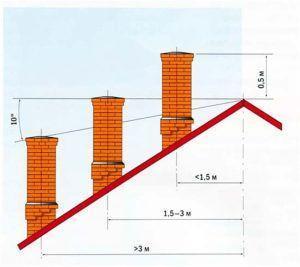
- When installing a chimney duct, it's important to strictly adhere to requirements to ensure maximum draft. This primarily applies to the height of the pipes.
Now that you know what to use to clean your chimney, it's easy to keep it in working order for at least the entire heating season. Cleaning it at the beginning of the heating season, however, is a real and unavoidable necessity. However, good luck!
Very useful article and clearly presented.
A helpful article. It answers all the questions that stove and fireplace owners may have.