Sewer pipelines
When building a private home, the question arises: how to properly organize a sewer system so it's practical and cost-effective. In this section, we'll discuss modern sewer system types.
The basic classification of sewer systems looks like this:
- Industrial - designed to purify industrial wastewater.
- Domestic and household - can serve an entire community (centralized) or a private home (autonomous).
- Storm drains - for draining water from the roofs of houses and streets.
Regardless of the type, sewerage systems are divided into:
- external - located outside the building, include a pumping station, pipeline and treatment facilities;
- internal - located inside the premises, consist of a pipeline to which household and plumbing devices are connected.
Private homes aren't always connected to a central sewer system, so stand-alone devices are often installed—septic tanks, or reservoirs with sealed chambers. These collect and settle wastewater. Types of septic tanks:
- Storage tanks are a tank buried in the ground with pipes running from the house. The advantage is affordability. The disadvantage is the need to pump the tank out.
- With soil post-treatment - a drainage structure consisting of: drainage, settling tanks and filtration zones.
- With biological treatment - a modern sealed treatment facility consisting of several chambers.
When installing an autonomous sewer system, it is important to decide on the method of wastewater transportation:
- gravity-flowing - wastewater moves independently into the settling tank under the force of gravity;
- pressurized - water moves over a long distance due to a connected pump.
Knowing all the intricacies of each sewer system will help you make the right choice.
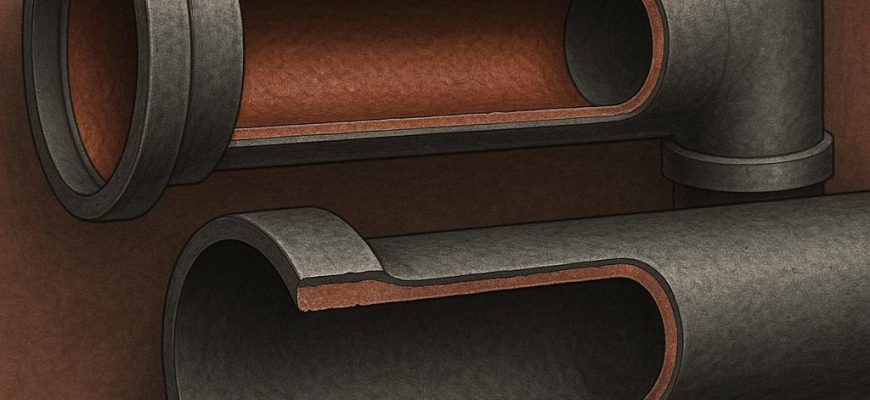
Cast iron sewer pipes have been used in construction and utility networks for over a hundred years, and their demand remains even today - despite
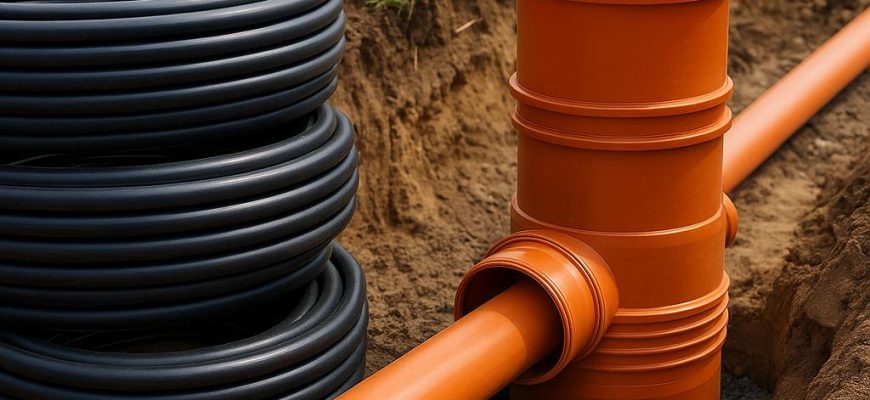
Building your own home involves more than just choosing the layout and finishes; it also involves carefully thought-out utility systems. One of the key systems is the sewer system.
Designing a bathroom in an apartment is a simple, but time-consuming process. Apartment bathrooms are typically small, which makes them difficult to maintain.
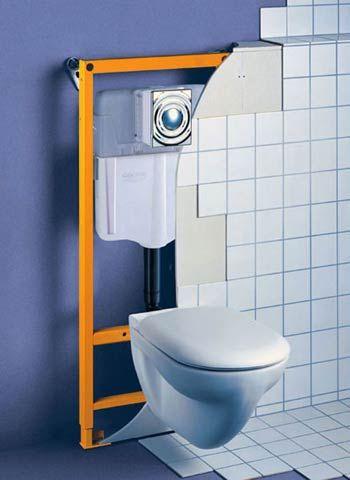
There are two main methods for installing a wall-hung toilet: on a wall-mounted toilet or on a concrete pedestal. Each type has unique features.

Before purchasing plumbing fixtures, it is recommended to familiarize yourself with standard toilet sizes and determine which dimensions are suitable for your type of room.

Attaching the cistern to the toilet is a simple process, but it's important to follow the installation instructions carefully. The installation procedure varies depending on
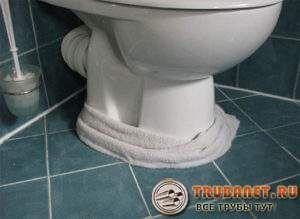
The question of how to get rid of condensation on a toilet cistern comes up quite often. First, it's important to understand what this phenomenon is and how to

What should you do if your toilet cistern is leaking? A malfunction can be caused by damage to one of the components. In most cases,
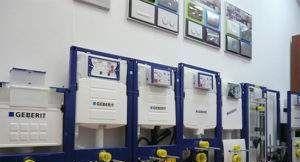
Toilet installation varies depending on the type of structure. Before beginning the procedure, it's advisable to familiarize yourself with the specific features of the various system types.
Installing a toilet on a tiled floor can be done in several ways, depending on the design of the plumbing fixture. Before starting installation
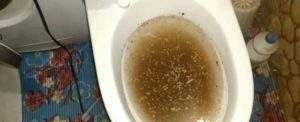
A clogged toilet can significantly disrupt a person's life, regardless of whether they live in a private house or an apartment. This unpleasant situation
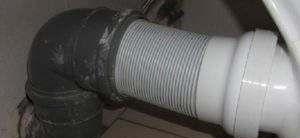
You can connect your toilet to the sewer system yourself; there's no need to call in a professional. The procedure doesn't require professional assistance.

Before starting construction of an autonomous sewer system, it is important to carry out the design stage, during which the location of the system is determined.
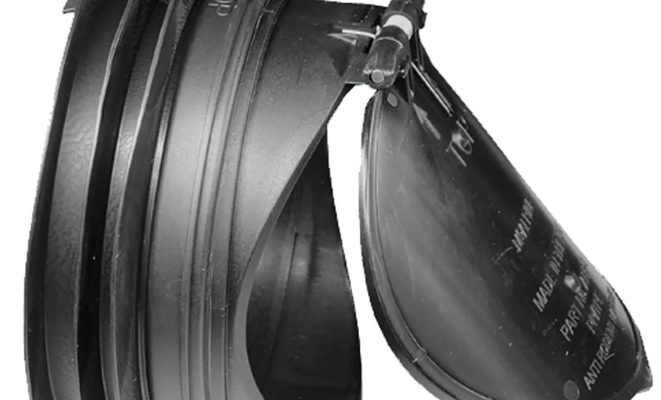
A sewer check valve is a device that prevents flooding of an apartment as a result of sewer blockages or other malfunctions.
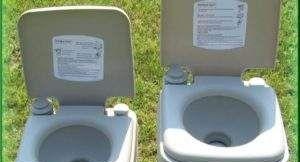
Choosing a toilet for an outdoor outhouse requires careful consideration. It's recommended to consider more than just the price and material.
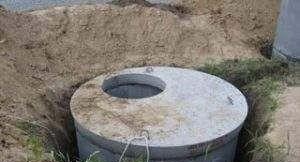
A yard toilet is the bare minimum for a summer cottage or country house. When installing such a structure, the main challenge lies with the cesspool.
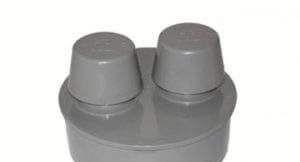
Sewage is a multifunctional and important utility. But, like other benefits of civilization, such a system has its drawbacks, in particular
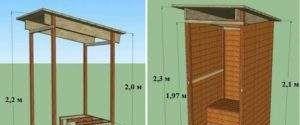
Building a country outhouse yourself doesn't require extensive construction experience or professional equipment. It's recommended to:
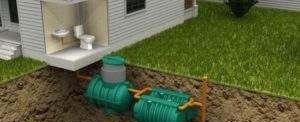
When purchasing a country house or cottage, it's a good idea to check for sewerage systems. If they're not available, a great solution is
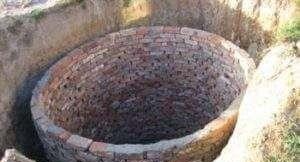
A cesspool for a private home can be built by hand using a variety of materials. Each has its own installation requirements, advantages, and disadvantages.