A check valve is a type of pipeline fitting whose purpose is to prevent a change in the direction of fluid flow in a pipeline.
The device automatically passes the stream in in one direction, and stops moving in oppositeRefers to direct-acting protective pipeline valves.
Before purchasing a 110mm or 50mm sewer check valve, it's important to understand the features of different types of shutoff valves and their operating principles. It's also recommended to learn all about your existing sewer system.
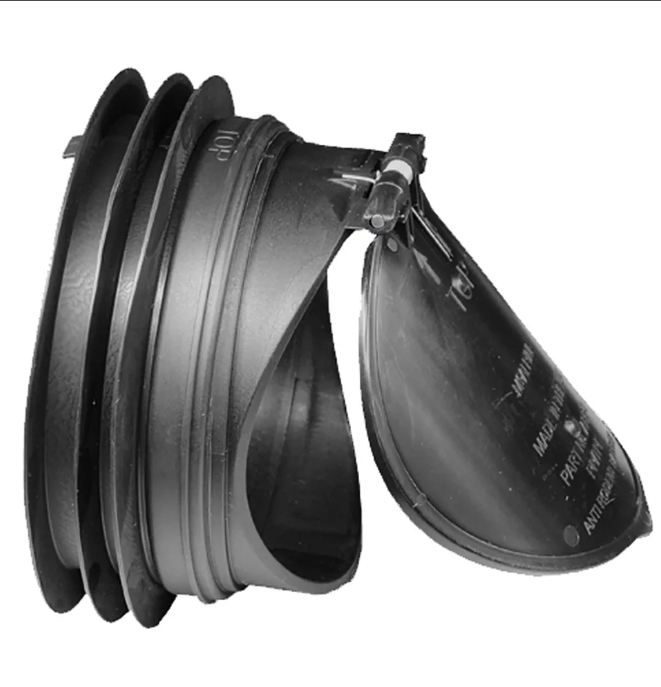
Installation is quite simple and additional equipment is usually not required.It's important to purchase the device from a reputable retailer and be sure to check for a manufacturer's warranty.
What is the device needed for?
A sewer check valve is a device specifically designed to prevent leaks and backflow of water due to clogged sewer lines. Sometimes, even a bag accidentally dropped into the pipe can cause clogs and flooding.
To protect the premises from the backflow of sewage system waste, a special valve is installed that operates automatically.
A similar mechanism is used not only in offices, cottages, residential buildings and industrial premises, but also in heating and water supply systems (for the pump).
Their operating principle is quite simple: if wastewater begins to flow in the opposite direction, a shut-off mechanism stops this movement, preventing flooding.
In most cases, the need to install the device arises in the following situations:
- regular entry of garbage and large objects into the sewer system, as well as other violations of operating rules;
- Long-term use of the pipeline, during which time a layer of grease and dirt particles has formed on the inner surface. This significantly increases the likelihood of clogging;
- too large or too small a slope of the sewer pipe, since in order to ensure the free flow of liquid, it is important that a certain speed of movement of the wastewater is maintained;
- Bends located at a perpendicular angle to the sewer pipe. This causes the water flow rate to change abruptly, which can lead to a water blockage.
If the first-floor residents of a multi-story building with a single riser install a 50 or 110 mm non-return valve for the sewer system, sewage flooding can occur even on the second floor. The liquid will not flow further upward, as the pressure will likely clear the blockage.
Types of valves and operating principles
There are several types of sewer check valves, 110 and 50 millimeters in diameter, which differ in their application. Consequently, each type of mechanism has a different design and operating principle.
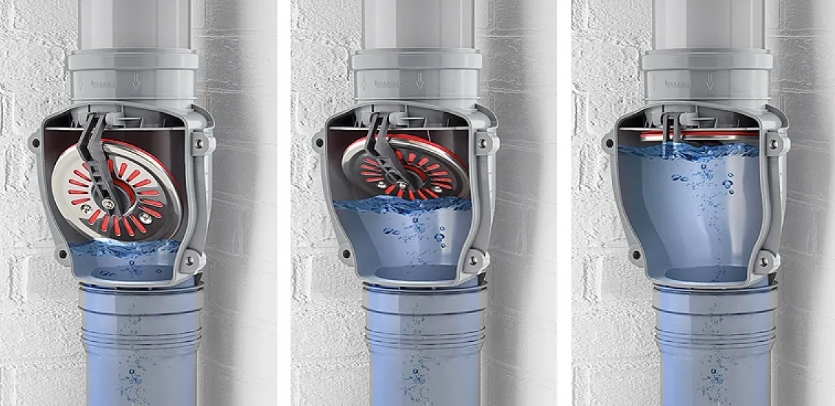
In general, all varieties of the system operate using the same mechanism: in a calm state, the shut-off valve is located at the bottom, thus closing the lumen of the pipeline and preventing the backflow of liquid.
When wastewater reaches the drain, the flap automatically lifts and then returns to its original position. Sewer check valve models are classified based on the flap's operating mechanism.
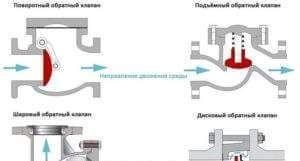
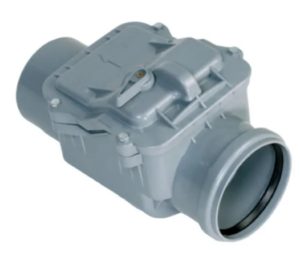
Rotary
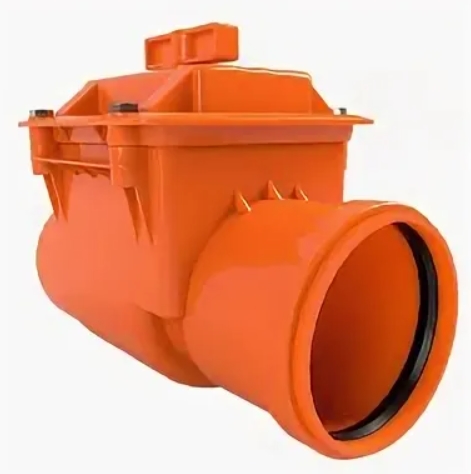
This type of sewer valve features a spring-loaded membrane (called a disc due to its round shape). When wastewater flows in the correct direction, the disc rotates and moves upward, allowing the flow of liquids to continue.
However, when the flow is reversed, the spring-loaded membrane is pressed tightly against the outer rim, resulting in the working area of the pipeline being blocked.
Some models also feature a built-in, manually operated damper. This shut-off mechanism can be adjusted using a dedicated button located on the device's body.
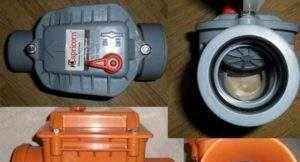
Due to its unique design, this type of 50/110 mm sewer check valve is also called a petal valve. Typically, the valve body is larger than the pipe it's installed into.
Thus, the pipeline initially expands and then narrows, which is a potential source of clogs in the sewer system. The solution to this problem is to place a cover on top of the mechanism housing. By removing it, the resulting blockage can be quickly and easily cleared.
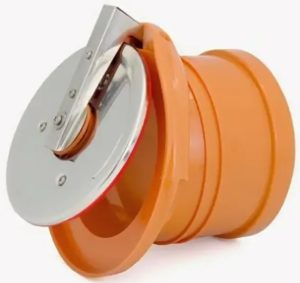
Lift valve for sewerage
The name of this type of device is based on the flap's operating mechanism. When wastewater flows in the correct direction, the flap is positioned at the top.
How it works: The liquid exerts pressure on the membrane, which blocks the flow of wastewater. The internal spring is compressed, causing the flap to rise. If wastewater is not moving, the spring remains in its normal position, blocking the flow of wastewater.
The shape of the system requires regular cleaning, as it periodically becomes clogged. This procedure requires removing the bolts (4 pcs.), then thoroughly cleaning or, if necessary, replacing the operating mechanism.
If the owner has the ability to clean the valve regularly, it is better to purchase this type of check valve.
Ball valve
In this type of device, the shutoff element is a small ball. The upper part of the housing is designed so that when wastewater flows, the ball enters a separate hole, allowing the flow to continue.
When there is no fluid present, the working area of the pipe becomes blocked, preventing flow in the wrong direction.
However, such models have a drawback: unlike the rotary and lifting mechanism, in this design the ball valve does not fit completely against the rim of the device.
A leak in the seal may result in a minor leak of wastewater. Of course, the likelihood of serious flooding, as would occur if the backwater valve were completely absent, is minimal.
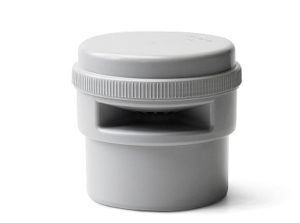
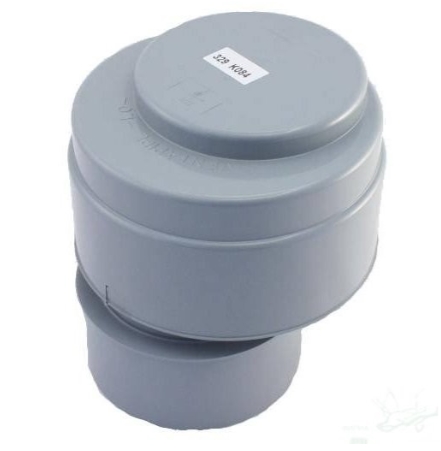
Wafer
The main advantage of this type of shut-off mechanism is its compact size, making it possible to install it even if there's limited space behind plumbing fixtures. Externally, the device looks like a miniature cylinder with a special rotary valve.
This element can consist of two components that are attached to the central rod, or it can resemble a small plate in appearance that is fixed to the body using a spring mechanism.
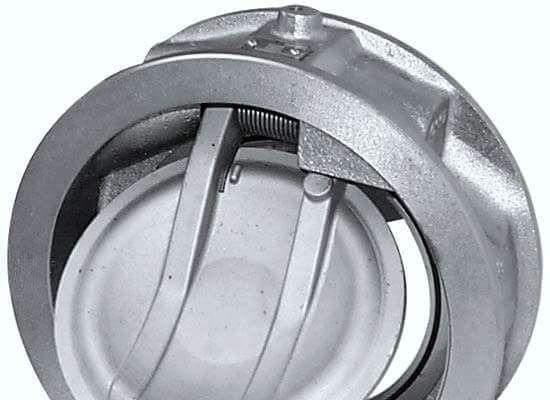
This option is only recommended if other options are not feasible. Even given its smaller size, other types of devices are still recommended.
A 50mm wafer check valve is rarely installed in sewer systems, as it is categorized as water supply equipment. Its efficiency is quite low for sewer systems.
Another drawback of this design is the lack of quick cleaning capabilities. Due to its shape, the connection must be completely disassembled to clean the valve.
How to install a valve
To install a check valve, you need to determine the water flow direction, which is indicated by an arrow on the valve body. In a water supply system, the device is installed between the pump and the pumping station. A break in the pipeline is created, the valve is installed at one end, and a union is connected to the other end.
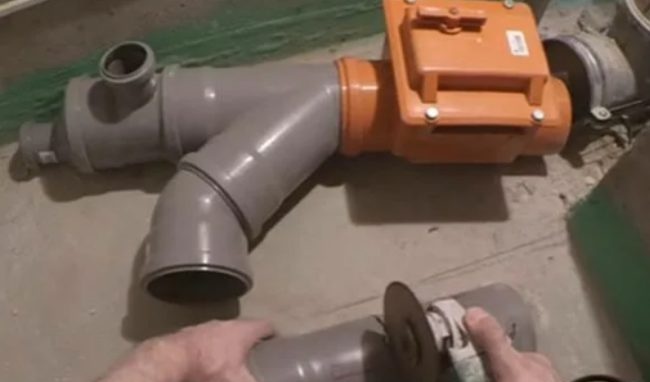
Installation instructions for a 110mm sewer check valve:
- Find a suitable location to install the device, taking into account the pipe diameter. 110, 100, 50, and 40 mm diameters can be used, depending on the pipe cross-section.
- Before installation, it's important to manually check the structure for leaks. If you suspect any problems, we recommend contacting a store or service center for a warranty replacement.
- Carefully cut the pipe and install the valve. When performing this procedure, it's important to ensure the direction of wastewater flow is aligned with the arrow on the plastic body of the valve.
- The ends of the cut pipe must be sealed with silicone or rubber sealants. In most cases, the latter option is used.
- The sewer valve is being checked for proper operation. If installation was improper, wastewater will back up.
These include:
- It is imperative to ensure that the arrow on the body is pointing in the direction of normal fluid flow;
- Installation using the plastic model is quite simple: the ends of the pipe are connected to the valve socket. The resulting connection is usually already sealed, but it can be additionally sealed with special silicone sealants designed for plumbing fixtures;
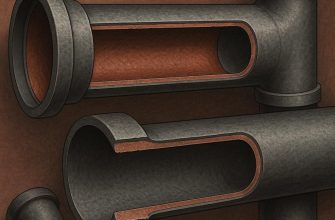
- When installing a cast iron unit, a sealing rubber band and bolts are used to tighten the mounting plates. Some models on the market have sockets, and their installation is no different from that of plastic models.
- When choosing a suitable location, it's important to consider unobstructed access to the removable cover. This will be necessary if the locking mechanism becomes clogged and needs cleaning.
Materials and sizes of products
When choosing a sewer check valve model, it's recommended to know the materials the device is made of, as well as its dimensions. The most common materials are:
- stainless steel;
- cast iron alloy;
- bronze;
- plastic.
In most cases, a check valve is purchased from the same material as the pipeline installed in an apartment building or private home.
Not recommendedFor example, for cast iron pipes, buy a plastic device. The most popular choice in terms of price/quality ratio is a valve made of high-quality plastic.
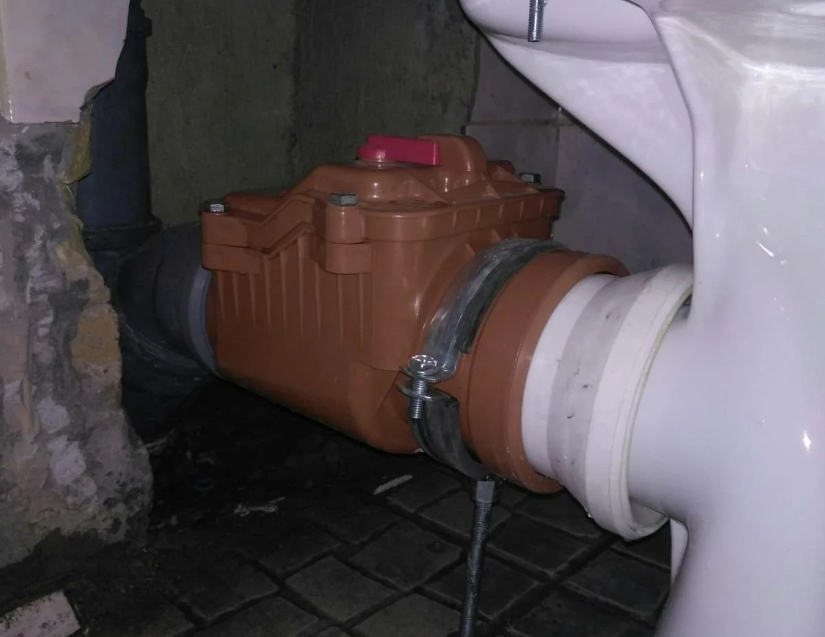
The device's dimensions depend on the available space. Another characteristic is the connection method—horizontal or vertical.
In most cases, horizontal connection devices are used, but if there is not enough free space behind the toilet, bathtub, or other plumbing fixtures, vertical check valves are installed.
If space is at a premium, it's recommended to purchase a wafer-type mechanism. Its installation requires only gaskets.
Is it necessary in principle?
The installation of a 50 or 110 sewer check valve is not always required; there are certain situations when the installation of this device does not make much sense.
For example, residents of apartments on the 6th floor of an apartment building need not worry about possible sewer flooding through a central blockage, as the sewer fluid pressure will not remain high as it rises to the 6th floor.
In general, there are situations when it is highly recommended to install the device:
- location of the apartment on the first/second floor of a multi-story building;
- location of office space on the first two floors;
- private 1-storey house;
- country house of cottage type with 2-3 floors.
In the above situations, it is more cost-effective and easier to install a valve on plumbing fixtures in advance than to later repair the premises and deal with the negative consequences of a clogged or burst sewer line.
Installing the mechanism is especially important in buildings with old piping. Pipes in such buildings typically have a layer of sediment on the interior walls, reducing the working area and increasing the risk of clogging.
How to choose a device
It's important to pay sufficient attention to the process of selecting a check valve model for your sewer system. First, you'll need to analyze your sewer system. Based on its specific features, you should select the appropriate valve model.
You need to focus on the following parameters:
- pipe cross-section;
- material of manufacture;
- dimensions of the device;
- connection method – horizontal or vertical;
- quality level, availability of warranty period;
- labor intensity of installation.
Cost is also important, but it doesn't determine the quality and durability of the chosen mechanism. Price depends on the material used and the functionality of the device, but you should consider your own financial capabilities.
For example, for a country house with plastic piping, you should not buy an expensive imported model that runs on an electric motor.
The most important specification to know before purchasing a sewer backflow valve is the socket and pipe diameter. These two parameters must match.
It is not recommended to purchase a device with a socket of an inappropriate cross-section and rely on installing an adapter.
Its use can lead to a disruption of the entire system's functionality and can also cause a reduction in the pipeline's throughput capacity.
The labor intensity of installation is important both for the homeowner if they will be installing it themselves, and for determining the cost of the work if the installation will be carried out by a plumber.
As a rule, for apartments with plastic pipes, it is sufficient to purchase a 50 mm plastic valve; its installation is quite simple using a standard set of construction tools.
Once a suitable model has been selected, it's a good idea to manually check the presence of the arrow (this indicates the drain movement to prevent improper installation) and the quality of the assembly. All components should fit tightly and not creak or wobble.
It's also a good idea to check the store's warranty and documentation. An original device will definitely come with a warranty receipt, as well as installation instructions and instructions.
Therefore, you can install a shut-off valve yourself; professional equipment is not required, and only minimal tools are needed. However, the most important thing is to choose the right device based on the specific needs of your sewer system.
When carrying out installation, it is advisable to follow certain recommendations from specialists; this will allow the procedure to be carried out as quickly and efficiently as possible.
It's a necessary thing. I live on the ground floor of a Khrushchev-era building, and it's saved me more than once. The price for an 110 mm pipe is 1,000 rubles. I don't think it's that expensive.