Building your own home involves more than just choosing the layout and finishes; it also involves carefully thought-out utility infrastructure. One of the key systems is the sewer system. Its reliability directly impacts living comfort. After all, sewer systems have become one of the most popular solutions for sewer system installations.
- Why is material selection so important?
- Features of HDPE pipes
- Where are HDPE pipes used in sewerage systems?
- Intra-house networks
- External sewerage
- Drainage systems
- Advantages over alternatives
- Basic rules for choosing HDPE pipes
- Installation technology
- Common mistakes when using HDPE pipes
- Maintenance and operation
- Environmental aspect
- Conclusion
Why is material selection so important?
Mistakes in selecting sewer pipes can lead to dire consequences, from frequent clogs and leaks to complete system failure. Unlike temporary structures, sewer systems are designed to last for decades. Therefore, it's important to choose materials that can withstand heavy loads, temperature fluctuations, and exposure to aggressive environments.
HDPE pipes (made from low-density polyethylene) have proven themselves to be the optimal option for private homes due to their combination of strength, flexibility, and durability.
Features of HDPE pipes
To understand why HDPE pipes are becoming more popular, let's look at their properties:
- FlexibilityThe pipes can be bent during installation, which simplifies installation in difficult terrain.
- Frost resistanceThe material does not crack at low temperatures, which is especially important for regions with harsh climates.
- Chemical resistanceWastewater contains aggressive substances, but polyethylene is resistant to most of them.
- DurabilityThe service life reaches 50 years with proper operation.
- SafetyThe material does not emit harmful substances and is safe for household use.
Where are HDPE pipes used in sewerage systems?
Intra-house networks
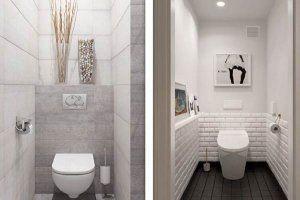
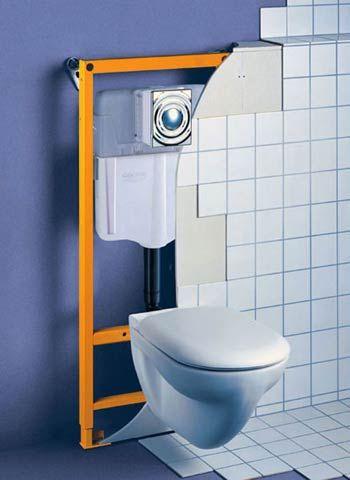
To drain wastewater from sanitary fixtures to risers, the pipes must withstand exposure to hot water, detergents, and mechanical stress.
External sewerage
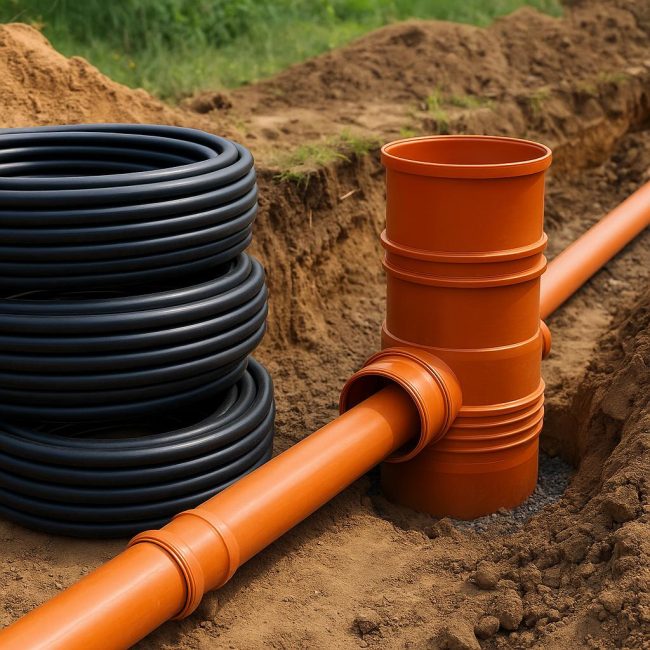
Underground pipelines from the house to the septic tank or central network are most often made of HDPE pipes. They are installed below the frost line, preventing the drains from freezing.
Drainage systems
In addition to sewerage, HDPE pipes are used to drain groundwater and rainwater, which protects the house's foundation from destruction.
Advantages over alternatives
- Cast iron pipes They were previously used everywhere, but they are heavy, prone to corrosion and difficult to install.
- Asbestos-cement — inexpensive, but fragile and not very resistant to dynamic loads.
- PVC pipes popular for indoor plumbing, but become brittle at low temperatures.
Compared to these materials, HDPE pipes appear to be a universal solution: they are lighter, more durable, and easier to install.
Basic rules for choosing HDPE pipes
- DiameterFor internal sewerage, pipes with a diameter of 50–110 mm are most often used, for external sewerage – from 160 mm and above.
- Wall thicknessThe greater the load and the depth of installation, the thicker the walls should be.
- RigidityFor underground utilities, it's best to use pipes marked SN4 or SN8—they can withstand soil pressure.
- ConnectionsReliability depends on the quality of fittings, seals, and welds.
Installation technology
Correct installation is no less important than the choice of pipes.
- Preparing a trench: the bottom is leveled and a sand cushion is added.
- Pipe laying: maintain a slope of at least 2 cm per meter for gravity sewerage.
- Compound: use compression fittings or welding.
- Backfill: first with sand, then with soil without large stones.
If these rules are followed, the system will serve for decades without any serious problems.
Common mistakes when using HDPE pipes
- Incorrect slope, which causes stagnation and blockages.
- Use of pipes that are too thin-walled for underground installation.
- Savings on fittings and connecting elements.
- The absence of inspection wells complicates maintenance.
Maintenance and operation
HDPE pipes require little maintenance. Simply:
- check inspection wells periodically;
- flush the system if an unpleasant odor appears;
- protect external pipes from mechanical damage in the construction area.
Environmental aspect
Another advantage of HDPE pipes is their environmental friendliness. The material is recyclable, and its long service life reduces the need for frequent replacement and disposal. For homeowners, this is not only practical but also meets modern environmental standards.
Conclusion
A sewer system is essential for the comfort of the entire family. If you approach its installation wisely and choose modern and reliable materials, you can forget about drainage problems for a long time. HDPE pipes have become one of the best solutions for private homes thanks to their combination of durability, ease of installation, and resistance to external factors.