All about pipe connection methods
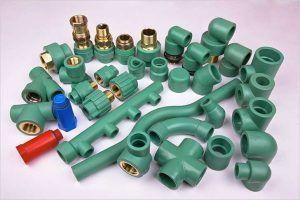
Pipe connections can be permanent or detachable. Permanent connections include welding, gluing, pressing, and socket installation using cement mortar. Detachable connections include threaded, flanged, and quick-release (clamps, cam-operated). Fittings and couplings are used for threaded connections.
When laying utility lines, it's important to connect the pipelines correctly. The choice of connection method depends on various factors, but the primary influence is the type of material the pipe is made of. The type of working medium and operating conditions should also be considered.
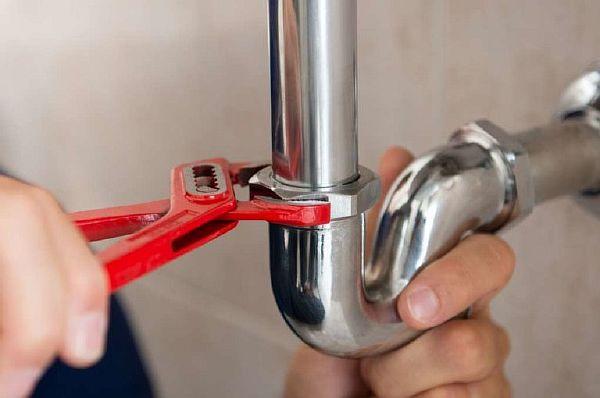
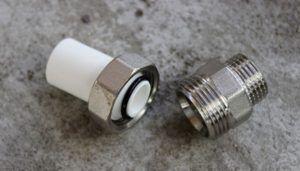
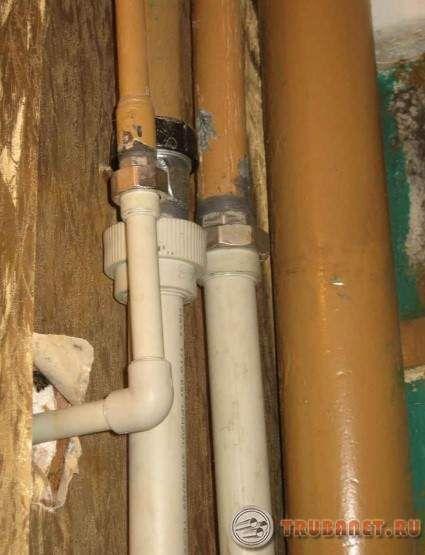
The main classification of connections is detachable and permanent. A distinctive feature of the detachable method is the ability to disassemble the pipelines if necessary. Threaded connections are considered the most popular of the detachable methods. Threads are created on pipes using specialized machines. If installation procedures are followed, this method can be used to install a sealed pipeline. Furthermore, repair and replacement of components is possible without damaging the material.
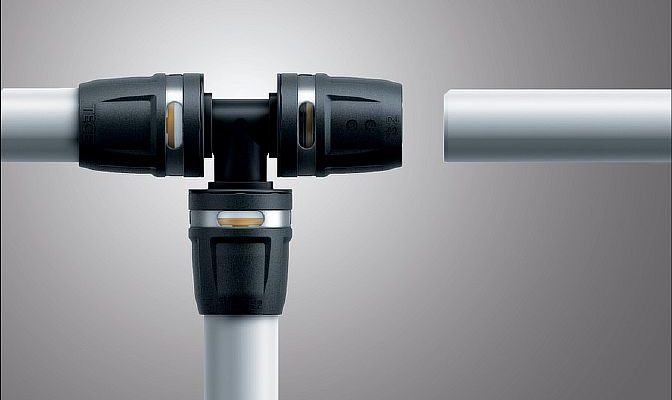
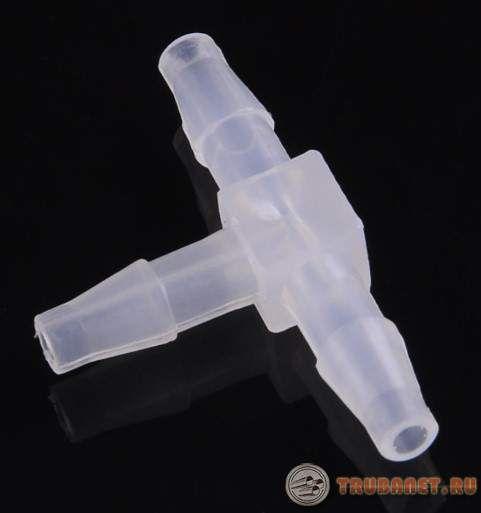
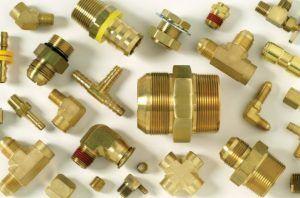
In addition, the detachable method includes fittings - used on flexible pipelines and flange connections - designed to connect various equipment to pipes.
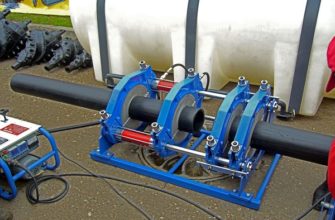
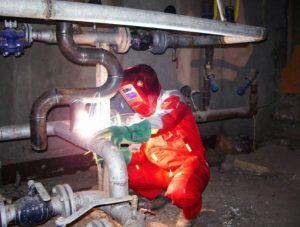
If you connect pipelines with permanent components, the structure will be damaged if it is disassembled. Welding is a popular option for permanently joining individual utility components, not only steel but also plastic. Depending on the method used to affect the material, there are different welding methods: fusion welding and pressure welding.
Connections by welding are:
- butt - backing rings are used, and the seam is made on one or both sides;
- angular - the joint can be made with or without edge jumping;
- socket welds - used for welding elements with a high coefficient of plasticity.
You can learn more about each connection method in this section, where we've compiled all the necessary information.