 Recently, plastic pipes have become popular for water supply systems. Unfortunately, these construction materials cannot be installed without threaded joints. This installation method necessarily requires winding or other sealing methods.
Any novice plumber will naturally ask the question: "What is better for the job – old, proven methods or a modern sealant for water pipes?"
This is an important question, as water supply pipeline sealing is the primary factor determining its reliability. The modern construction market offers a wide variety of synthetic sealing and waterproofing options.
But are all these pipe sealing products as good as they seem at first glance? Many sealants use synthetic components, and it's important to determine how safe they are for your water supply before beginning installation.
Why is sealing necessary?
Before choosing a sealant, you need to understand why sealing is needed for a water supply system.
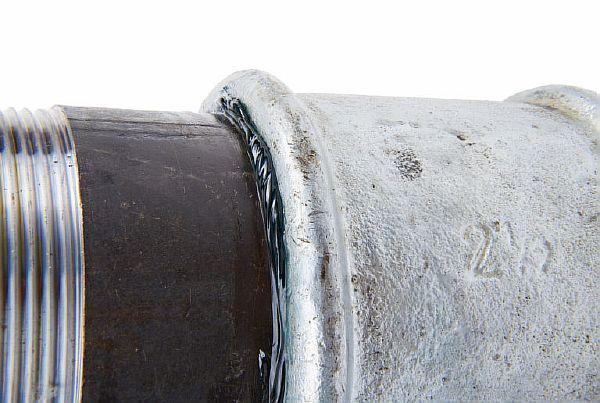
If the water supply line uses threaded joints, a certain pressure will still be created when the liquid is pumped. This means that small drops of liquid may leak out from the joint area.
When comparing plumbing and hydraulic lines, there are more methods for the former because the parts for this task are available in a wider selection.
Many people understand the essence of "sealing" as simply eliminating a leak in a pipe. However, in reality, to avoid having to fix such accidents, it's necessary to strictly adhere to the pipe treatment technology.
This work should be done in the following situations:
- when laying water supply pipes into a socket;
- when installing a threaded connection;
- when isolating a leak.
What types of water supply materials can be used?
Before installing a water supply system, it's worth thoroughly examining the materials used for sealing. Let's take a look.
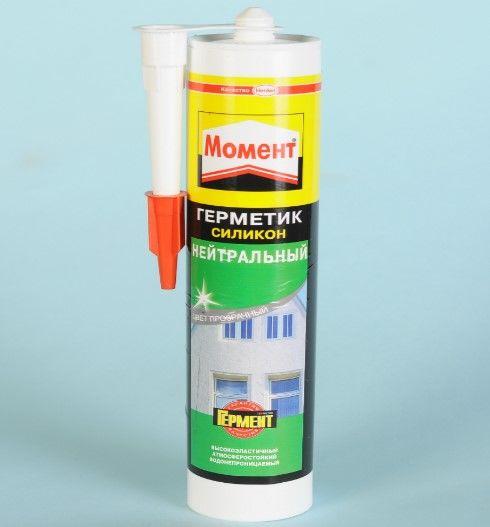
Liquid sealants, which are based on synthetic materials. Silicone plumbing sealant for water supply pipes was developed relatively recently. Its distinctive feature is its ability to retain its flexibility after drying.
After installation, silicone plumbing sealant completely covers the bends of the fittings. Once it sets, it forms a seamless, cast gasket on the pipe.
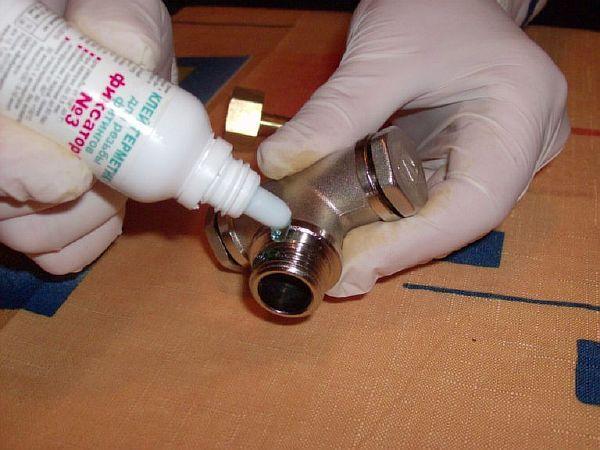 It's worth noting that this design is suitable even for joints operating under high pressure. Even a strong water pressure won't dislodge this silicone seal.
When choosing silicone sealant, keep in mind that not every brand is suitable for use with hot water. This problem occurs because these materials soften when exposed to high temperatures.
It's also important to keep in mind that this type of sealant has a certain level of toxicity. Therefore, its use must be done with extreme caution.
The advantages of silicone sealant include:: ease of use; protection against corrosion processes; creation of lubricant.
This type of sealant is rarely used on its own, but is often combined with fibrous compounds. In its pure form, this sealant is only used in gravity-fed lines; otherwise, it will simply "fly out" of the threads.
But all the above mentioned disadvantages are absent. for an anaerobic sealant.
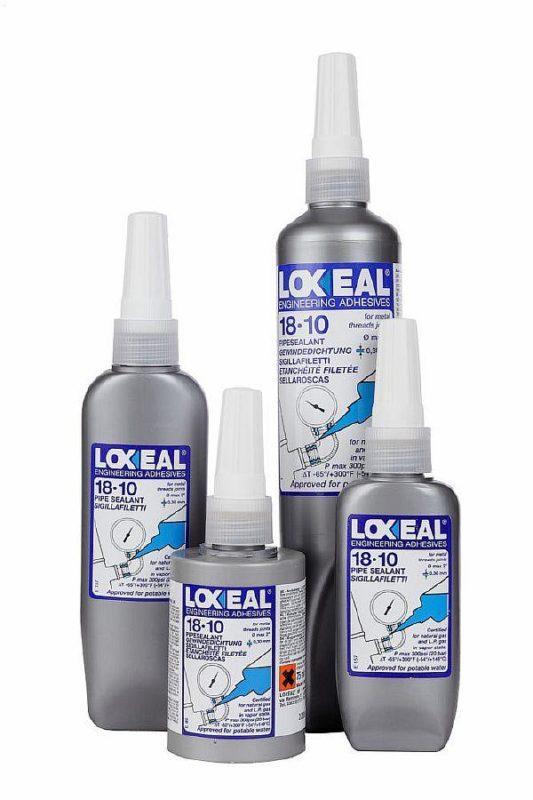
It is capable of hardening without access to air, but only when installed on metal baseThese two conditions can be created in the middle of a threaded connection, without changing the dimensions of the sealant.
This sealant boasts high thermal and chemical resistance. It can withstand pressures equal to those of the pipes themselves. These gels adhere to metal, resulting in a strong and rigid joint, even if it's not tightened very tightly. It doesn't harden on exposed surfaces, and excess can be easily removed with a rag or washed away with water.
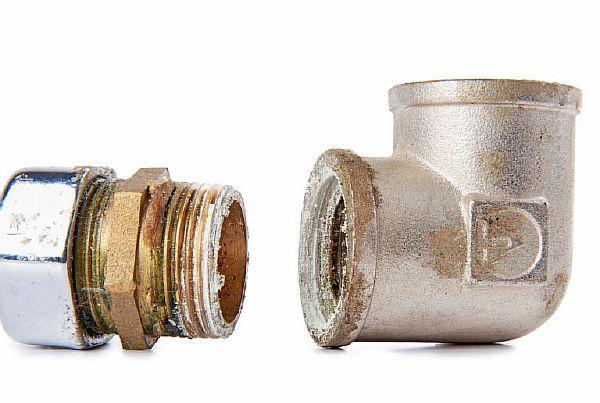
The photo provided shows that the sealant has turned into a powdery mass after curing. When applying a new sealant layer, removing any residue from the previous application is not necessary; this will not affect the bond quality.
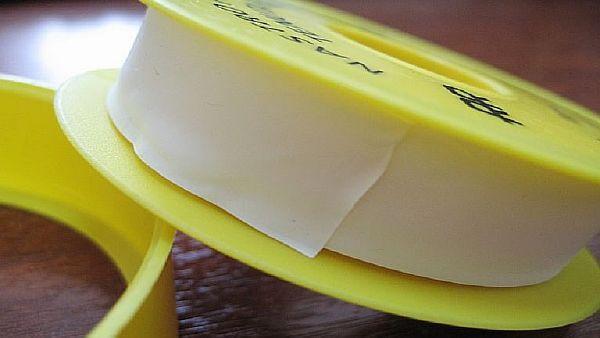 Fum - tape. FUM tape sealant for pipes Water supply tape provides excellent thread protection against corrosion and is not subject to corrosion. This tape has a smooth surface, making assembly easier. Unfortunately, this material does not withstand vibration and mechanical stress well.
This tape is primarily used for sealing threaded connections. However, it is not suitable for suspended structures due to its poor vibration resistance. Vibration generated by the water flow can weaken the tape, thereby weakening the seal. Under these conditions, leaks eventually form.
When processing with this tape, it is wound very tightly onto the end parts, so that the threads can be tightened without additional tools.
Solid sealantsThis is a very common type of sealant used in the construction market, but it's not very popular among plumbers. This product is rarely used for sealing purposes.
Dried flax has been used for plumbing fixtures for a very long time, and this material can rightfully be called one of the pioneers in this field. Initially, flax was used in conjunction with hemp fiber, but the latter component was soon abandoned.
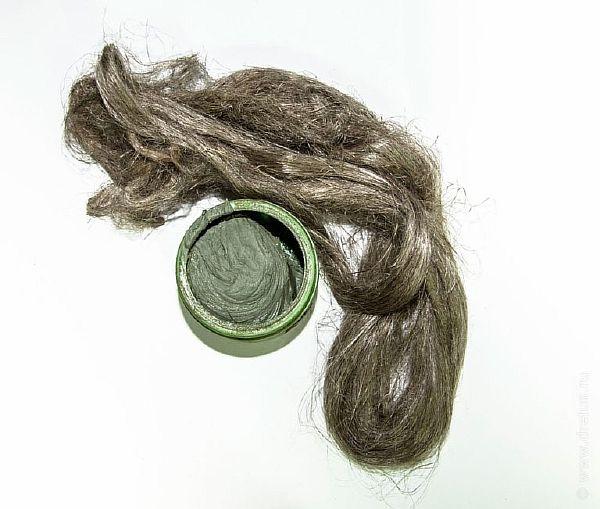 Flax is rarely found in water supply systems today. As mentioned, it's a natural product, and it quickly turns sour when exposed to moisture. High temperatures also negatively affect flax, causing it to lose its strength and crumble from the joint.
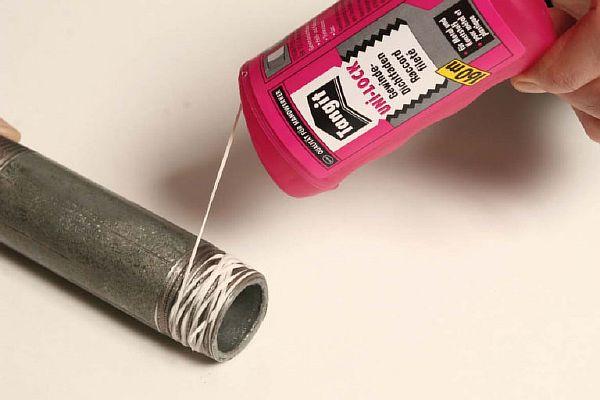
Plumber's thread is considered a more reliable sealant, but it's expensive. However, it's absolutely as strong as FUM tape. The disadvantages of this material include not only its high cost but also some installation difficulties.
Sealing requires some effort. These requirements are dictated by installation guidelines, which stipulate that the thread should be evenly distributed across the elements. Failure to heed these sealant guidelines can result in damaging the pipe threads.
If you've never worked with this sealant before, it's best to practice on an old piece of pipe first. After a couple of "three" applications, you'll gain the necessary dexterity.
Basic requirements for compositions
Choosing a sealant for plastic and other water pipes isn't difficult. The main thing to keep in mind is that the suitability of a particular product is determined by the following criteria:
- Compliance with the pipe's characteristics and material. This is an important factor, as a compound suitable for plastic pipes is unlikely to be suitable for metal pipes. Detailed instructions for use are always included on the packaging. These instructions specify which materials the compound is suitable for and which it is not.
- Resistance to adverse influences. Sealants for plastic water supply systems must exhibit high resistance to aggressive chemical environments.
- Long service life. This is also a very important factor, and the service life of metal, plastic, and cast iron networks directly depends on it. With reliable sealing, any system retains its original characteristics for at least five years. High-quality seals extend this lifespan to ten years. However, the price in this case will be significantly higher compared to budget options.
- Elasticity. After curing, the sealant used on plastic and other systems must remain flexible. This will help it withstand temperature fluctuations and other factors.
Sealing process
The sealing process can be illustrated using the example of applying a sealant such as flax. First, the threads are painted. The pipe itself must be carefully prepared beforehand. It must be cleaned with a wire brush and degreased with gasoline.
After applying the paint, wait a little while for it to dry slightly, which will make it sticky. Then, coat the threaded connection with a small amount of flax. It's best to use strands without large fibers, as this will ensure a more even application.
The flax is wound in thin layers, which are lightly coated with paint. There's no need to apply too much paint; the paint will completely saturate the flax when the pipe is assembled.
Then, begin to slowly tighten the joint. Don't apply too much force. Also, when applying pressure, paint may drip onto the floor. To avoid damaging the flooring, it's best to cover it with old newspapers or a rag.
Using specially impregnated tow is considered the simplest solution for sealing a water supply network. Many professionals prefer this method. When starting to use this sealant, keep the following recommendations in mind:
- The tow must be soft and should not contain any foreign inclusions.
- When working with impregnation, you need to act carefully, as its traces are difficult to remove.
- All visible parts must be carefully removed after working with the sealant.
Some tips
Determining the exact number of windings is difficult. In this situation, you'll have to rely on experience. Better yet, make some trial windings and run a test run on them. This way, you can determine the exact number of windings.
This is crucial, as if there isn't enough tow, a leak will inevitably occur. If there's too much tow, the threads may strip or the pipe may be damaged during tightening.
It is recommended to work especially carefully with brass and bronze pipes, as this type of product is considered delicate.
Professional contractors do not recommend using oil-based paint. This is because when dismantling the system, all work will need to be done under high heat, otherwise the joints will be impossible to separate.
And the sealing itself must be carried out correctly and carefully. This approach will allow you to create a trouble-free water supply system for many years to come.
Thank you for the detailed information.
I spent a long time researching how the sealing process works. It's good that I decided to familiarize myself with how it all works beforehand. I could have made mistakes. Thanks.