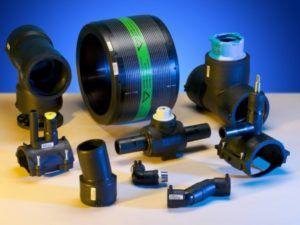
Connecting polypropylene pipes without soldering became possible with the advent of connecting elements such as fittings, couplings, flanges, as well as high-strength adhesives designed specifically for polymer products.
The use of polypropylene has solved the problem of corrosion in water, heating, and sewer pipes. The widespread use of polypropylene pipelines brings significant economic benefits across virtually all sectors of human activity.
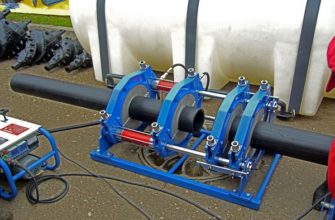
Unlike metal products, plastic pipes are connected soldering using a special soldering ironThe process itself is fairly simple, but it's not always practical to purchase expensive equipment, and it's not always available for rent.
Experts have learned to connect polypropylene pipes themselves without soldering, using plastic fittings. Several methods for connecting without welding are currently known.
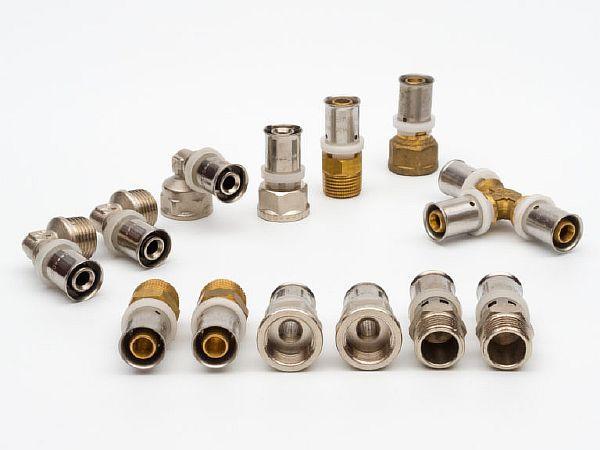
One method involves connecting the ends of the pipeline with fittings that are crimped with special pliers. As a result, the soft alloy fittings deform to form a strong, tight, and permanent assembly.
In addition, plastic is tightened with flanges, glued, connected with couplings, and threaded combination fittings. All of this will be discussed in detail below.
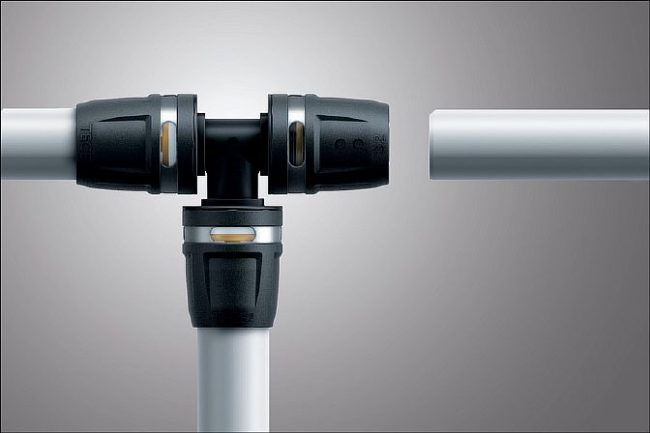
Types of connections without welding
Methods of joining polymer pipelines can be classified as:
- crimping;
- detachable;
- threaded.
Crimping
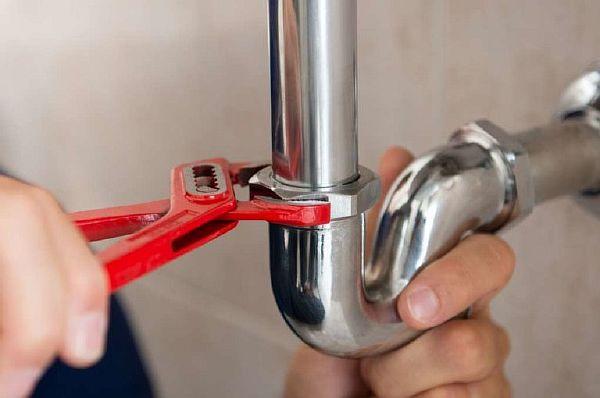
These are units that use special collet fittings. They are installed using special wrenches. The purpose of the crimping tool is to ensure a tight, sealed connection between the metal water supply and the polypropylene pipe.
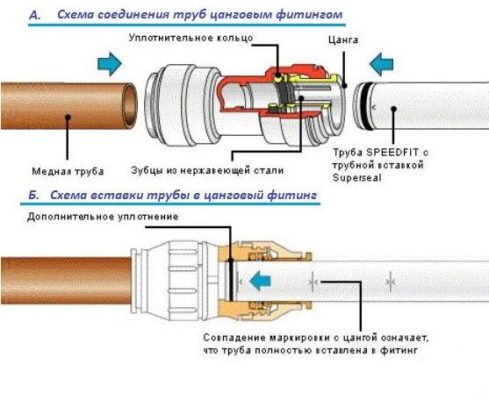
The advantages include quick installation and high sealing of the connecting parts. The disadvantages include the complexity and high cost of collet-type devices.
Detachable
In cases where the piping system requires periodic disassembly of components, the connections are made detachable. Special combination fittings are used for this purpose. Threaded metal inserts are inserted into the plastic pipe at one end, and a seat cone with a union nut is inserted into the other pipe. The nut is screwed onto the opposite thread, and the cone fits snugly into the seat, creating a strong, tight connection. To disassemble the fitting, simply unscrew the nut and spread the ends apart.
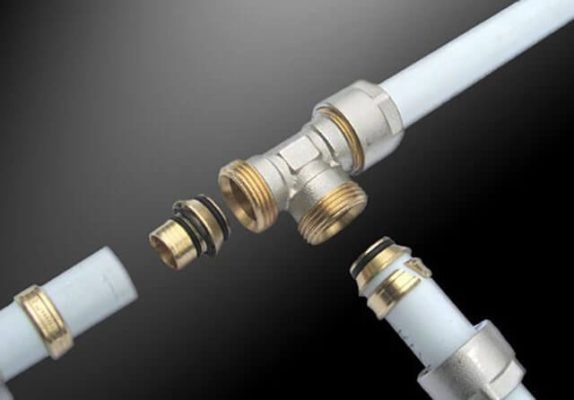
The advantage of this method is that in an emergency or during repair work, the required section of the water supply system can be quickly isolated by disassembling the detachable connections and installing plugs.
The disadvantage of this connection method is the complex installation.
Threaded
Threaded connections are another method for joining plastic pipes without a soldering iron. Polymer water pipeline components are joined using polypropylene, composite, or metal fittings of various designs and sizes.
The tightness of the connecting units is achieved by installing sealing gaskets or strapping the contact surfaces. FUM polymer tape or tow. The strength and reliability of the fastenings is ensured by bolted ties.
The advantage of this method of connecting polymer water pipes is undoubtedly the speed and ease of installation of the connecting joints. The disadvantage is the presence of leak-prone areas in the connecting joints.
Connection methods
Today, there are a number of methods for connecting polymer water pipes to each other and to metal pipes:
- fitting;
- flanges;
- couplings;
- gluing;
- into the socket;
- cold welding;
- soldering tape.
Fitting
Compression fittings are successfully used to connect plastic pipe components. Their versatility lies in their ability to connect components made of different materials. Aluminum can be connected to copper, polypropylene, PVC, and HDPE components. The unique design allows for multiple assembly and disassembly of the connecting components. The plumbing market is saturated with a wide variety of compression fittings, each with a different design.
They consist of a housing containing a sleeve and two sealing rings. These fittings are also used for joining HDPE and PVC pipes. The compression fittings are resistant to UV radiation and chemically aggressive environments. Compression fittings are used in cold water supply systems of low-rise buildings and street water mains in towns and villages.
The fitting is installed as follows:
- The ends of two pipes are processed by cutting the chamfer at an angle using a special cutter - a chamfer remover.
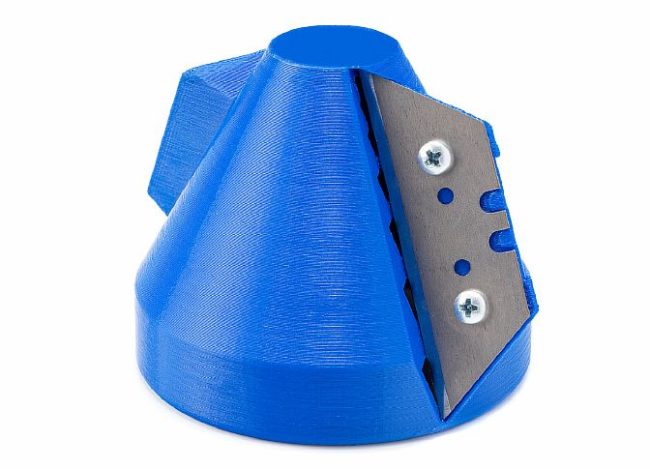
- On both sides of the fitting body, unscrew the compression nuts without removing them.
- Lubricate the ends of the pipes with a soapy solution or liquid soap and firmly insert them into the compression nuts on both sides. A soft click will be heard when the pipes engage the sealing rings.
- The compression nuts are tightened until they stop with force.
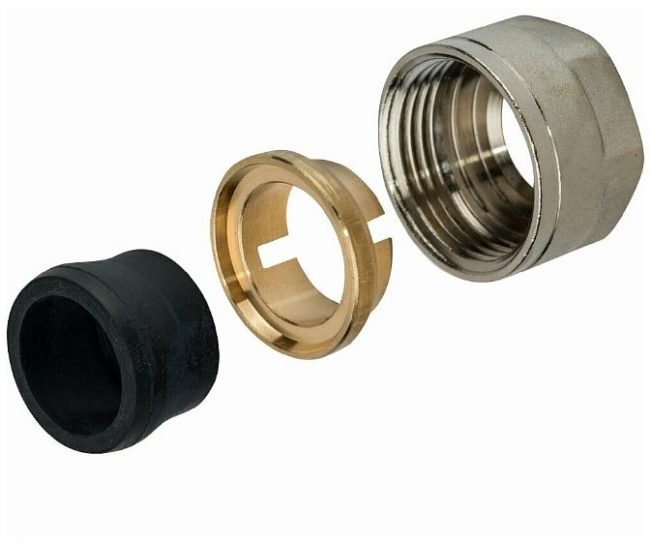
- Before turning on the water, the connecting unit is manually checked for strength, trying to separate the parts.
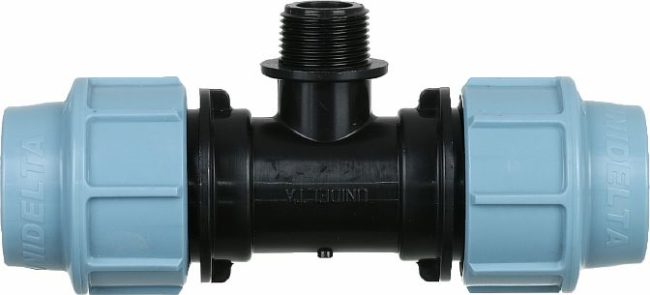
Flanges
Flange installation is another of the most reliable methods for joining plastic parts without a soldering iron. To ensure a reliable connection, it's important to properly prepare pipes and flanged fittings. There are several fastener designs for small and large diameter components. Flanges with compression fittings are used to connect components of a household polypropylene plumbing system. These mounting devices are very convenient to use:
- The ends of the pipes are prepared by cleaning them from dust and dirt, and chamfering the edges to form a cone;
- The hoses are lubricated with detergent or liquid soap. They are then pressed into the compression nuts until the sealing ring clicks into place.
- The flanges with rubber gaskets are brought together so that the mounting holes coincide;
- the bolts are inserted into the holes and tightened with nuts and washers;
- Turn on the water. If a leak is detected, carefully tighten the bolts in a circle until the moisture disappears from the flanges.
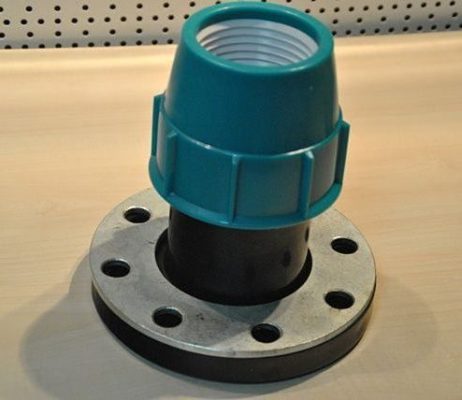
Connecting polypropylene pipes without soldering using flanges is practically the only method for installing polypropylene elements in horizontal sewer systems. Cast iron flanges are used.
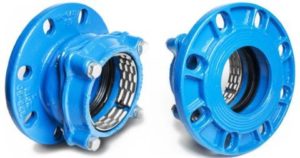
The difference from the previous model is the cast housing with a sealing ring, consisting of two parts.
The pipe is inserted into the flange with a pre-installed union nut, which is then tightened with bolts until a tight connection is achieved.
Couplings
An effective way to connect polymer pipelines is with couplings. They are manufactured with working diameters of 63–315 mm from high-strength cast iron with an epoxy powder coating. The retaining ring is made of steel, and the sealing rings are made of ethylene propylene rubber.
The advantage of coupling connections is that installation occurs without welding or adhesives. The coupling protects the connection from tensile loads, water hammer, soil subsidence, etc. Installation of couplings can be performed under any conditions, even frost, waterlogged soil, or partial shutoff of the water supply. It ensures a tight and reliable connection between pipelines made of different materials.
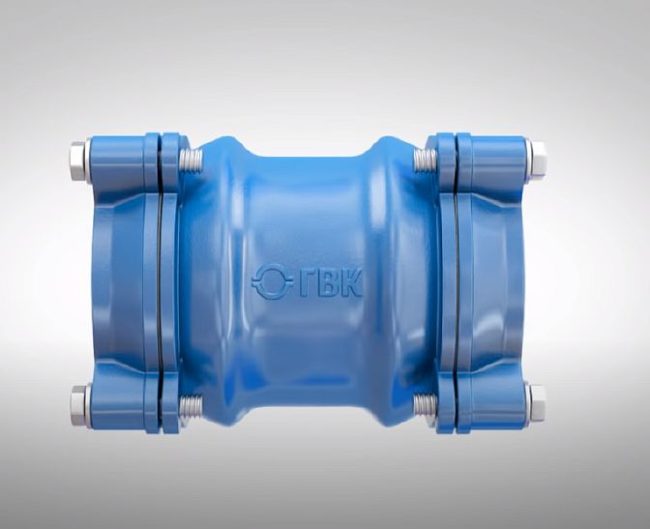
The installation of the coupling is very simple.
- Dirt and dust are removed from the ends of the pipes.
- The chamfer is removed to form a cone using a machine or by hand with a knife.
- Measure the distance to the middle of the coupling depth.
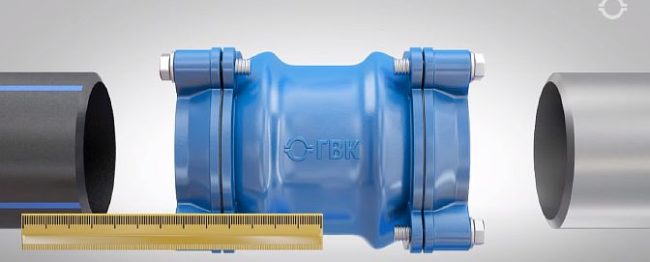
- The resulting size is marked with marks on both pipes.
- All four coupling bolts are loosened and plastic water pipes are inserted into it until the marks are completely covered.
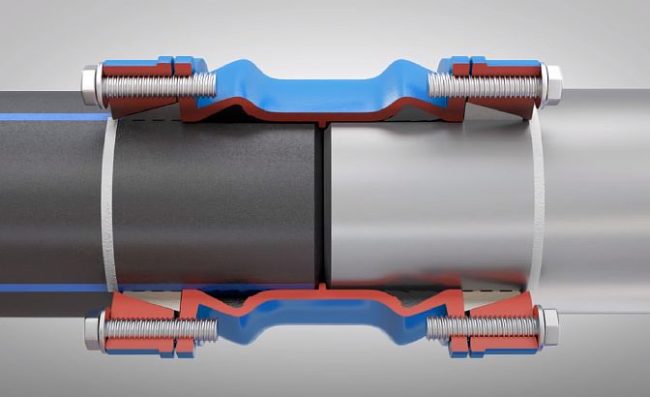
- After this, tighten the bolts evenly. Installation is complete.
Gluing
Instead of soldering polymer pipes, they can be glued. Polypropylene is difficult to glue because the plastic is highly chemically inert and does not readily form bonds at the molecular level. Two types of adhesive are used for polypropylene pipes: a one-component, ready-to-use product and a two-component compound (a thick base compound mixed with a liquid hardener). The gluing process does not require any special conditions. A two-component adhesive known as epoxy adhesive is used for this purpose.
Pipes are connected using various fittings made of the same material. These include barrel-shaped fittings for straight connections, 90- and 45-degree elbows for bends, and transition fittings used when the pipeline crosses another utility line.
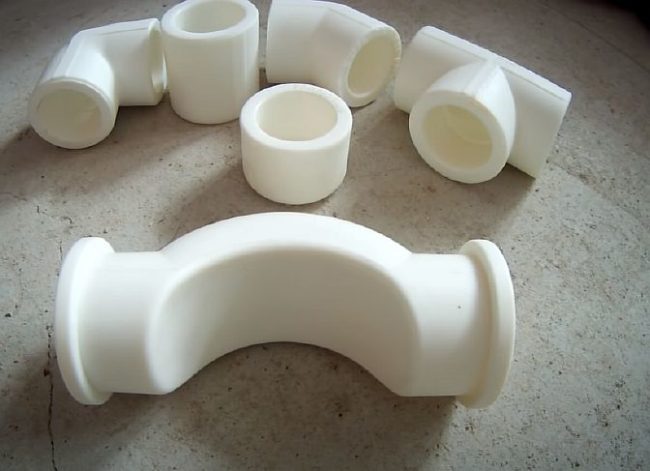
The gluing algorithm consists of the following steps:
- the ends of the pipes are cut evenly using a special pipe cutter;
- measure the depth of the fitting on both sides;
- the obtained size is transferred to the pipes, marking the boundaries with marks;
- epoxy resin is mixed with a hardener;
- the adhesive composition is applied with a brush to the marked areas of the pipes and inside the fitting;
- the parts are connected into one unit and kept for 24 hours;
- After this period, turn on the water.
Into the bell
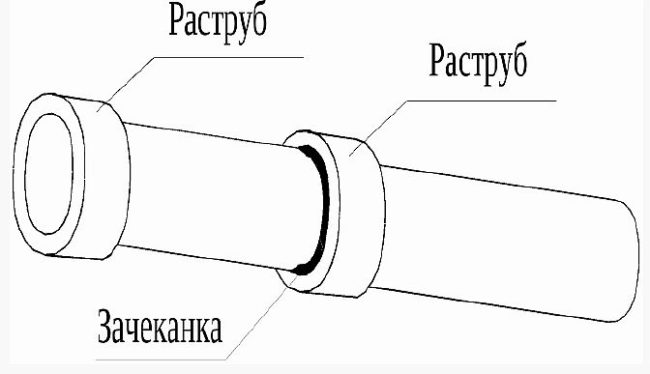
This method is used when installing sewer collectors. A house's sewer system consists of connecting elements with sockets at the ends. Socket connections are only allowed in gravity-fed drainage systems. Installing socket sections does not require adhesives or welding. Jointing is done manually without much effort. A constant downward slope is essential for installation to ensure unimpeded drainage of sewage and wastewater.
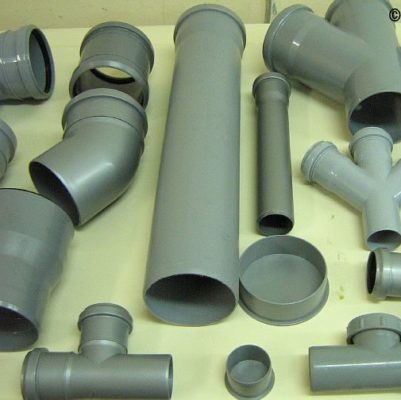
Polypropylene sewer pipes are lightweight, bend easily, and can be cut with a hacksaw. Installing one pipe into another creates a tight, sealed connection that lasts virtually forever. A crucial component of the joint is the rubber gasket, a two-stage ring. Proper installation of the rubber gasket determines the tightness of the joint. Experts recommend the following pipe diameters for drainage systems:
- 100 mm for the central riser and toilet drain outlet;
- 65 – 75 mm for vertical riser branches;
- 50 mm for combined bath and washbasin drain;
- 40 mm for bath and sink siphons;
- 32 mm for kitchen sinks and bidets.
The socket connection algorithm can be described as follows:
- the socket is wiped with a rag and soapy water;
- the end of the second element is cut with a pipe cutter strictly at a right angle;
- A rubber sealing ring is inserted into the socket, having been previously lubricated with any greasy compound. This will allow it to be inserted quickly and tightly into the socket seat;
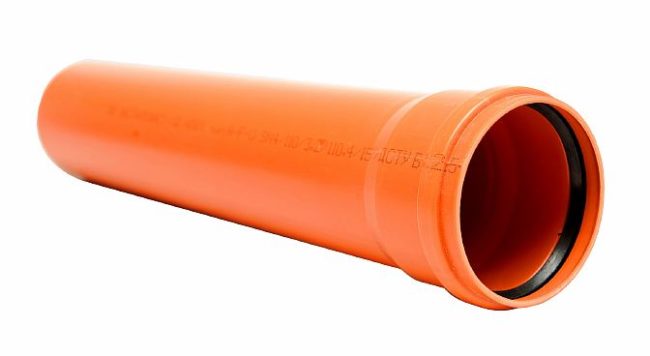
- the joint groove is sealed with cement mortar;
- If necessary, the docking unit can be easily disassembled.
Cold welding
Cold welding is a special adhesive compound made from chlorinated polyvinyl chloride (CPVC). This adhesive dissolves the surface layers of polypropylene pipes and fittings. When joining parts impregnated with the adhesive, the liquefied layers interpenetrate at the molecular level. As a result, a homogeneous, durable mass is formed at the joint. This process is called cold diffusion welding.
Cold welding is carried out as follows:
- polymer surfaces to be mated are cleaned of dirt and wiped with a degreasing agent (alcohol, acetone, etc.);
- The ends of the pipes are trimmed with a pipe cutter to exactly 90 degrees.
- The edges of the ends are chamfered. This is done at an angle of 15 using a special cutter.0;
- the depth of the fittings is marked on the plastic with marks;
- Cold welding is a homogeneous, ready-to-use compound. To begin gluing, simply open the bottle and apply with a brush.
- the marked areas and the inner surface of the connecting parts are covered with an adhesive composition;
- The connecting parts are inserted into each other. To evenly distribute the adhesive, the pipe or fitting is rotated around its axis;
- the knot is left in a fixed position for 1-2 minutes;
- Excess glue is removed with a rag or napkin.
Before using cold-welding adhesive, it's important to read the instructions. Additionally, plumbers recommend following these tips:
- If you initially warm up the surfaces to be joined with a hair dryer, their adhesion will increase significantly;
- all surfaces must be dry even if the instructions allow some moisture in the joints;
- The glue for welding is liquid, and for repair work it initially resembles plasticine.
Soldering tape
This is an excellent alternative to soldering electrical wires, containing both tin and flux. It is designed for soldering wired components.
The tape cannot be used as a connector due to the lack of adhesion of polypropylene to metals.
Even if we accept that soldering tape can be used as a sealant, the absurdity of this idea becomes clear.
Which connection method should I choose?
Using the information presented above, one can quite objectively evaluate the use of the mentioned solderless connection methods for the installation of such communications as:
- cold water supply;
- hot water supply;
- heating;
- sewerage.
Cold water supply
Fittings are the most suitable for installing cold water supply systems in houses and apartments. Their advantage is that they serve perfectly as connections between polypropylene pipes and between pipes made of other materials. Couplings are also used, as are fittings for domestic water supply systems. Both are designed for connecting pipes with diameters from ½ to 3 inches. The disadvantage is the high cost of couplings.
Polymer pipes and fittings for cold water withstand epoxy bonding and cold welding well. The advantage of adhesive methods is their speed and ease of installation. The disadvantage of these connections is the high demand for precise adherence. The slightest violation of this technology leads to water pipeline leaks.
Hot water supply
Like cold water pipes, hot water pipes can be easily connected using fittings and couplings.
If there's one drawback, it's the impossibility of bonding them with glue or cold welding. These compounds cannot withstand intense heat and are completely destroyed under its influence.
Heating
Threaded and detachable polypropylene pipe connections are most suitable for heating systems in homes and apartments. Union-type couplings are particularly popular.
They serve as adapters from polymer pipes to aluminum, steel, and bimetallic heating radiators. There are no particular disadvantages to this connection method.
Sewerage
This refers to a gravity-fed system for draining wastewater from household fixtures such as bathtubs, sinks, washbasins, toilets, bidets, and floor drains. Pipes with diameters ranging from 32 to 100 mm are used. They are installed in sections. Each section, on one end, expands to form a funnel (socket).
A rubber sealing ring ensures a tight seal between sections. A distinct advantage of socket-and-socket connections is their ease of installation, requiring virtually no excessive physical effort. No drawbacks were identified.
When there is a need for solderless connections
The need to connect polypropylene pipes and fittings without soldering may arise for the following reasons:
- in the new building there is temporarily no power supply line and it is not possible to use a welding machine;
- the pipeline is installed in cramped conditions where it is impossible to place a welding machine;
- lack of skill or unwillingness to use welding equipment.
Conclusion
Almost all homeowners who installed internal communications using polypropylene pipes without soldering are satisfied with their situation.
Polymer piping systems have been trouble-free for several decades.