Installation of a pipe sleeve through ceilings should be done in certain cases, for example, when the pipeline is subject to thermal expansionThe need for a sleeve should be taken into account even at the pipeline planning stage. All the nuances of its use should be considered not only when installing a new pipeline but also when replacing old utilities.
The area where pipelines pass through walls and ceilings becomes a major point of deformation stress. In such areas, the pipe is exposed to chemical influences and mechanical loads.
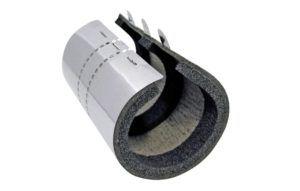
Due to these circumstances, SNIP building codes specify that pipelines be equipped with additional structural components called sleeves. What these sleeves are and why they are required will be discussed in detail below.
The device for passing the pipe through the wall is an important element, and it performs the following functions:
- mechanical;
- protective;
- waterproofing;
- fire-fighting;
- sanitary.
In addition, this element can increase the service life of the pipeline and facilitate the replacement of structures.
The sleeve is designed as follows:
- A case that uses a steel structure;
- Padding made from soft, fire-resistant material.
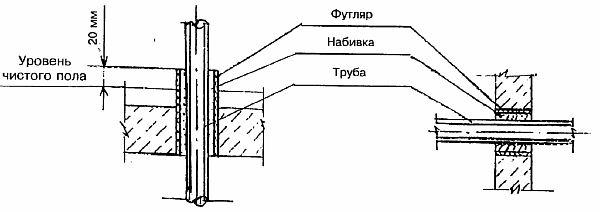
The pipe passage sleeve is made in the form of a tubular structure. The space between the structures is filled with a fire-resistant material. It must be structurally non-rigid. This is necessary because when the pipe heats up, it will begin to change its dimensions, and if the material is rigid, it may be damaged.
The diagrams above show that the main line can pass through any building in two planes. The floors between floors are crossed by vertical networks (risers), while the walls are crossed by horizontal distribution. The provided drawing shows an example of a component being installed first in the floor and then in the wall.
In both cases, the component's cover must be firmly secured. The pipe must slide freely through it. The cover's diameter in both cases must be 10 mm larger than the pipeline's diameter. The cover itself must be securely fastened in the passageway.
The installation and calking of the main line sleeve is performed taking into account the screed height. The sleeve length should be 20 mm longer than the floor thickness. Failure to comply with this requirement can result in water leakage onto the floors below.
Is it necessary to install sleeves?
The need to install a sleeve for pipes passing through walls is dictated by SNiP (Construction Norms and Regulations) requirements. These requirements are based on the following reasons.
- Polymer piping changes its dimensions due to temperature. In addition to expansion, it can also move. To prevent deformation and create the necessary clearance, SNiP (Building Codes and Regulations) recommend the use of sleeves. These devices for passing pipes through walls and ceilings help maintain the integrity of the structure during installation and during significant temperature changes.
- SNIP also states that a device for passing pipes through walls and ceilings allows for dismantling without destroying the structure.
- Installing protection for the passage of pipes through walls, ceilings or foundations becomes a barrier to the penetration of odors and insects from adjacent rooms.
In accordance with SNiP, it is recommended to install sleeves only in certain casesTheir installation is not always called appropriateWaterproof material for laying between pipe components is also recommended in situations where the cartridge is routed through a passageway through a ceiling.
Let's look at what types of sleeves there are.
Pipe penetration sleeves, in accordance with SNiP requirements, vary in material. Furthermore, the size of the device used to penetrate a wall or partition also varies.
All of the above parameters depend on the parameters of the structure being constructed. For example, the inner diameter of the sleeve must be 20 mm greater than the thickness of the main line.
The size of the sleeve for the pipe to pass through the ceiling also depends on the installation method. A protrusion, which is mandatory in rooms where the water level may be above the horizontal surface, is not necessary with concealed installation.
However, in accordance with SNiP requirements, if installation is carried out using an open method, the dimensions of the device must correspond to the characteristics of the premises.
The same SNiP rules state that the size of the inter-pipe space must be set to be suitable for the installation of fire-resistant or waterproof material.
Furthermore, it's important to note that SNiP regulations emphasize that the dimensions of devices used to create passages through walls or floors must not obstruct the free passage of the main structure. This is a mandatory requirement for renovation work.
The internal diameter of the sleeve for laying pipes in ceilings should not be greater than the external diameter of the heating pipeline by five or ten millimeters.
Features of use
Pipe sections are used for sleeves. Experts say steel or polymer are the best options. The choice of material depends on the structure's design.
For example, for reinforced concrete buildings, it makes sense to install steel elements, which are easy to concrete both in factory conditions during the production of wall panels and at construction sites during the installation of heating mains.
Installing a steel sleeve into a hole without machining the end faces is not permitted. This could damage the polymer tubular component during installation. If installing the sleeve into a wall made of other materials, their poor adhesion to cement mortar should be taken into account.
It is not recommended to use construction roofing felt for the cartridge. In this case, the polymer reacts poorly to oil-containing materials.
In order to prevent the spread of fire, it is recommended to install special fire arresters at the intersection of the heating pipeline and the walls and ceilings.
Features of pipe installation
The method for installing a pipe penetration assembly through a wall or ceiling in a sleeve depends on the type of utility being installed. Each type has its own characteristics. To ensure reliable protection for your building, it's worth understanding these differences in more detail.
Water supply
If the main line is intended for cold water, a special thermal jacket will need to be installed. This will prevent condensation from forming on the surface, thereby extending the life of the system.
If polymer or composite pipe products are used in the work, then when arranging the passage unit in the wall, it is necessary to familiarize yourself with the manufacturer's recommendations, which are attached to the manufactured products.
If there is a risk of groundwater pressure in the area where the main line enters the home, experts recommend installing waterproofing cartridges in the opening to prevent water from entering the basement.
Drainage networks
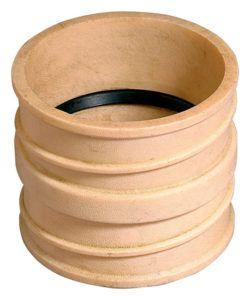
The outlet assembly for cast iron products differs from similar devices made from other materials. This is because cast iron does not require soundproofing or reinforcement.
A plastic drain system in a wall requires a steel cartridge. The length of the cartridge should be 15-20 mm longer than the pipe, and its length should be 2-3 cm longer than the wall width. The joint where it passes through the ceiling or wall is wrapped in waterproofing material. The passage is then sealed with cement mortar.
Steam heating
A heating pipe sleeve is essential. This is due to thermal deformation of metal structures and stress on straight sections of the pipeline during significant temperature changes. These factors cause cracks in the structure and can even cause it to fail.
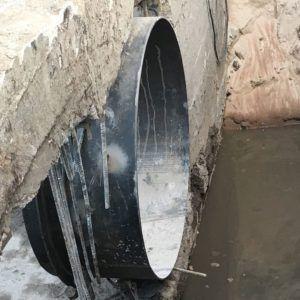 The installation and placement of sleeve fittings in heating pipes is similar to that used for hot water supply systems. If they pass through an interior wall, a non-steel main pipe can be used. In such cases, plastic or combination options from various manufacturers are suitable.
The unique feature of these systems is the use of custom-made fasteners, which include a sleeve for heating pipes. Most manufacturers employ highly sophisticated components that ensure the required pipeline sliding properties, resulting in varying plastic expansion and deformation rates from different manufacturers.
Chimney systems
The installation of sleeves when laying chimney pipes must be carried out in strict accordance with all construction requirements.
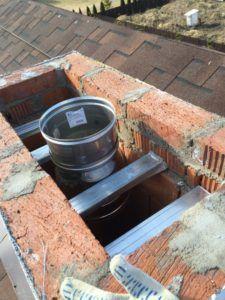 If the chimney is made of steel, a hollow sleeve made of galvanized iron will need to be installed through the opening in the ceiling. Additionally, the top and bottom sections are insulated with a plate to provide fire protection.
If flammable material is used during the installation of the chimney structure, the hollow part must be additionally insulated from the outside with fire-resistant insulation.
Basalt fiber or asbestos are ideal for this type of installation. From a fire safety standpoint, installing a chimney opening in the roof requires special attention. It's crucial to comply with the proper regulatory requirements when installing a structure with a chimney sleeve.
The tasks that the device must solve
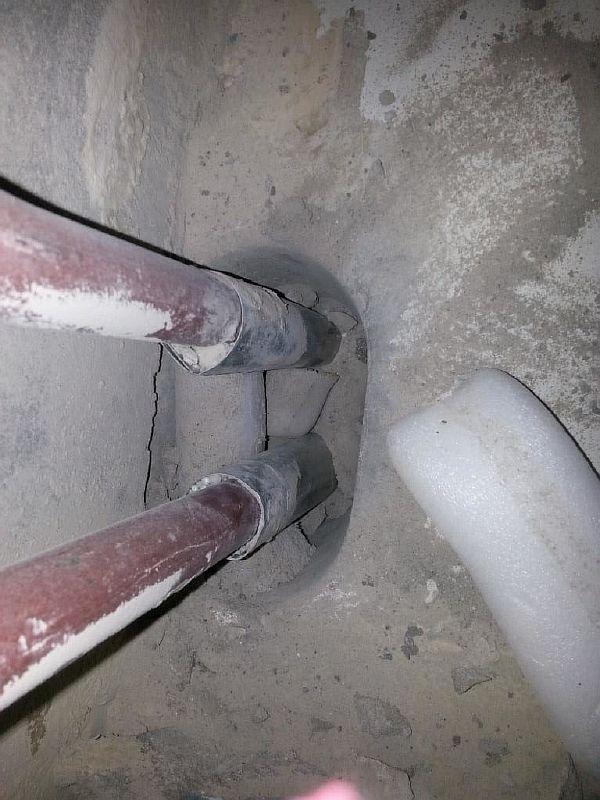
When installed, any element of this line must effectively cope with the following tasks:
- providing reliable protection against washouts in the event of a rupture, or in cases where the main connections begin to leak, therefore, any emergency breakdown will not cause much damage to the building;
- in the area where the main line will pass, the cartridge must reliably protect the network surface from mechanical influences, environmental impacts and deformation changes;
- The cartridge in the hole for the system must reliably protect against sudden changes in temperature, which in itself has a destructive effect on the constructed pipeline.
- The cartridge in the hole for the system gasket should become a reliable protection of the structure in case it is necessary to quickly carry out dismantling activities.
When purchasing these devices, remember to contact a reputable manufacturer. Only then can you be guaranteed the quality of the purchased product.
It's important to understand that the cost of the sleeve is minimal, but the benefits are enormous. It not only facilitates repairs but also helps extend the life of the pipeline, thereby saving significant repair costs.
To ensure the installed part is securely fixed and the pipe does not move, it is best to purchase a standard GOST size for pipelines. The GOST cartridge volume must correspond to the pipe volume.
If you're unsure about your choice, it's best to seek installation assistance from specialists. They'll help you build a high-quality structure that will last for decades.

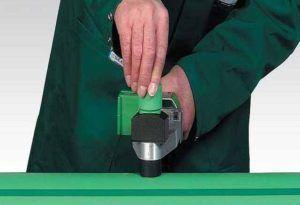
For sleeves, as experience shows, it is necessary to use sections of steel and polymer pipes, as well as rolled waterproofing materials such as roofing felt.