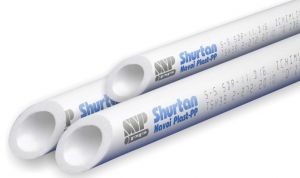
Thanks to their technical characteristics, polypropylene pipes can be used in cold and hot water supply networks.
They are installed in both residential and industrial buildings. Unlike steel and cast iron options, these materials are rust-resistant and can last for over 50 years.
Application areas:
- Their distinctive characteristics and ease of installation make them suitable for use in drinking water supply networks.
- In agriculture.
- Pipes and fittings of this type are used for supplying cold and hot water, for installing underfloor heating, for branches in a centralized heating system, and for connecting radiators.
- Transportation of air and aggressive chemical environments.
- For drainage and irrigation systems.
- This workpiece can withstand temperatures from -10 to 900C. And it will withstand short-term surges up to 1100WITH.
- The melting point is +1490WITH.
- Thermal conductivity at 20 degrees – 0.24 W/mS.
IMPORTANT! Polypropylene pipes (experts' assessments confirm this) are considered environmentally friendly substances and are completely safe for industrial use.
Information about the raw materials
The technical characteristics of polypropylene directly depend on the raw material, or more precisely, on its quality and properties.
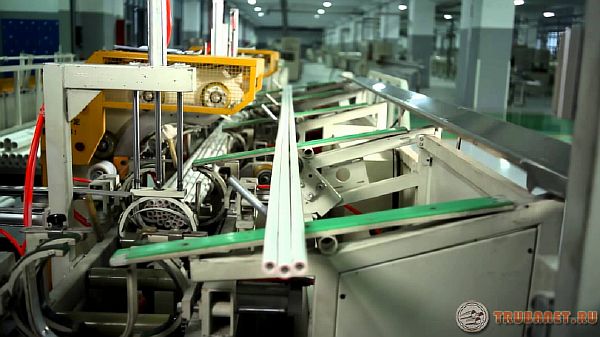
Polypropylene was developed by Frank Gresham. Later, the base material was refined, and modifications were developed. Depending on the type of plastic, pipes are divided into the following types:
- The first is propylene homopolymer (PPH);
- The second is polypropylene copolymers (PPB);
- The third is a static copolymer of polypropylene with ethylene (PPRC).
Type 3 deserves special attention right away. It stands out for its resistance to high temperatures. The invention of this substance was a major breakthrough in plastics manufacturing.
These are the technical characteristics of polypropylene pipes for heatingThey are distinguished by their light weight and high strength, and are classified as thermoplastics. They also boast increased resistance to chemical environments.
If water freezes in these rolled pipes, the structure of the material is not destroyed because it is highly elastic. No hazardous chemicals are used during their processing and disposal.
Improved technical capabilities have led to the fact that in production in This is the type that is mainly produced.
Types and areas of their use
Modern pipe products are divided into three categories. For example, Products marked PN10, PN16 and PN20 are made of monolithic material.
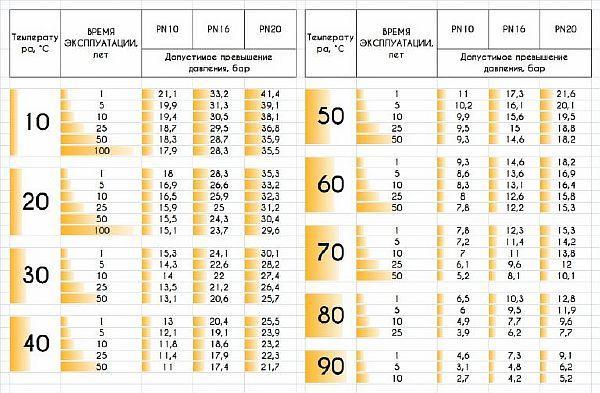
And PN25 also includes a layer of aluminumThe type designated PN16 has become an intermediate option. It's a versatile material, but it's used very rarely.
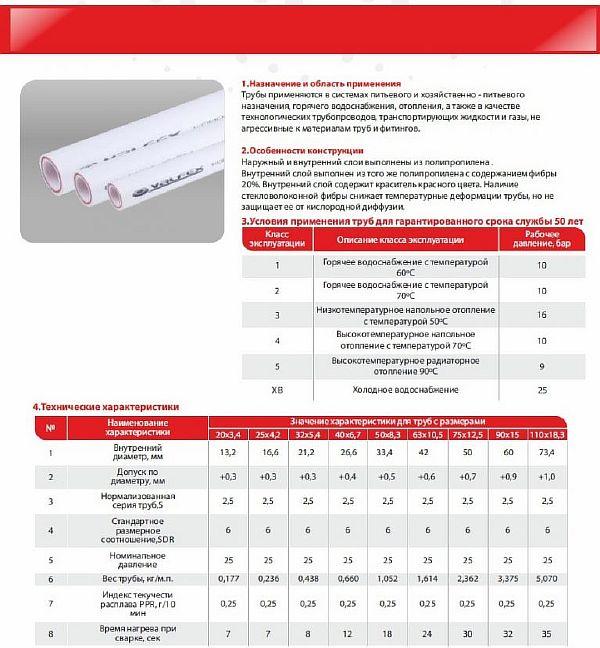
- These are thin-walled rolled pipes used for cold water supply (up to 20°C). The technical characteristics of PN10 polypropylene pipes allow them to be used for underfloor heating (up to 45°C) and can withstand pressures of 1 MPa.
Diameter: external volumes from 20 to 110 mm, and external dimensions from 16.2 to 90 mm. Wall thickness for PN10 from 2 to 10 mm.
- The technical characteristics of PN20 polypropylene pipe have led to its being called a universal option. It is used in hot water mains (up to temperatures of +80°C and pressures of up to 2 MPa). Average internal diameters range from 10.6 to 73.2 mm. External diameters range from 16 to 110 mm. PN20 wall thicknesses range from 16 to 18.4 mm.
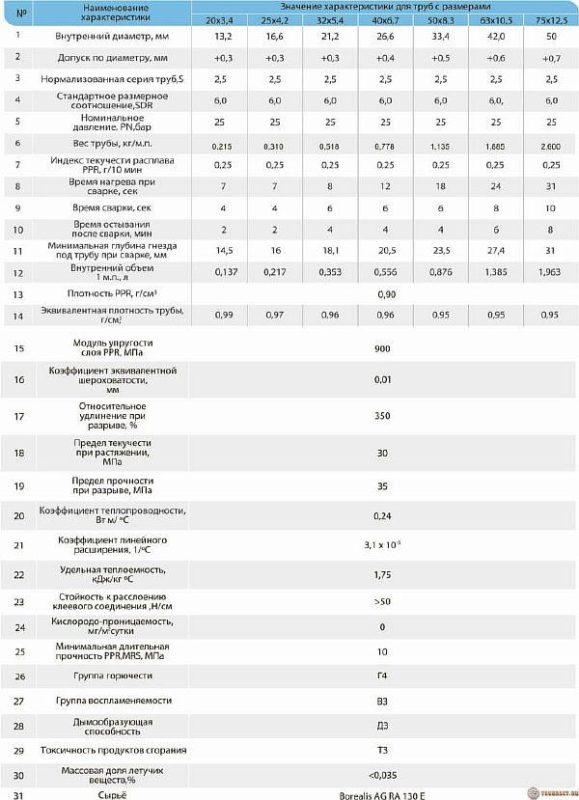
- This aluminum-reinforced polypropylene pipe has PN25 specifications, making it suitable for central heating systems with temperatures up to +95°C and for hot water supply. The nominal pressure is 2.5 MPa.
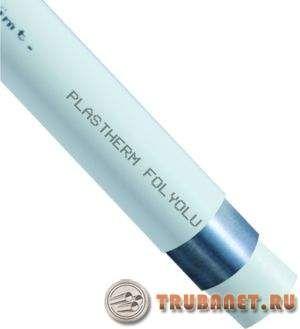
An aluminum interlayer is located near the outer surface. The foil is perforated, which increases the stability of the PN25 polypropylene pipe, which requires no adhesive for connection.
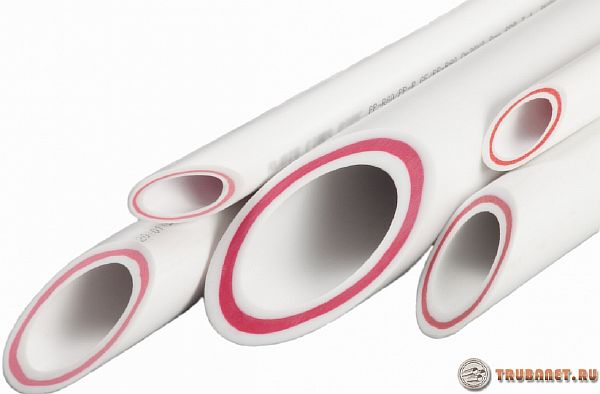
They are used with the following diameter sizes: internal 13.2–50 mm, external 21.2–77.9 mm. Wall thickness for PN25 varies from 4 to 13.3 mm.
Using an aluminum interlayer allows to reduce the high coefficient of thermal expansionHowever, this also has its drawbacks. Such materials are difficult to install and connect to fittings, and a facing tool is required.
Just recently, manufacturers have introduced a new product that includes three layersThe middle layer is a mixture of polypropylene and fiberglass. The wall thickness of this new material has remained the same.
Polypropylene reinforced pipe, its technical characteristics indicate that they have a low expansion rate (0.009 mm/m.T).
It's also worth noting that fiberglass is extremely durable, twice as strong as steel. These products are very easy to install.
IMPORTANT! All types of polypropylene products come in white, light green, gray, and black. Color does not affect their properties. Only black ones offer better UV protection.
Advantages of polypropylene pipe products
Their most important advantage is their long service life, which is the most important characteristic of polypropylene.
Video 1
If the manufacturer's recommendations for each individual type are followed, such materials can last for over fifty years. And in cold water supply lines, they can last up to a hundred years.
IMPORTANT! Short-term increases in temperature and pressure have little effect on the service life of these materials.
These materials also have the following advantages:
- A water supply pipeline made from this type of rolled pipe fully complies with all regulations and sanitary standards.
- Rust or other deposits will not form inside the plumbing or heating system. Therefore, their internal diameter remains constant throughout their entire service life.
- PPR pipes are resistant to temperature changes and pressure surges.
- Low thermal conductivity prevents condensation.
- High sound insulation properties eliminate noise from the main line.
- Compared to metal counterparts, installation of this material takes significantly less time. Welding technologies make it possible to join polypropylene structures quickly and with high quality.
- The light weight facilitates transportation and also reduces the number of people needed for the work.
- They do not require additional maintenance, no need to paint.
Application of fittings
Manufacturers have developed polypropylene pipes and fittings whose technical characteristics allow for the construction of any engineering structure. This eliminates the need for metal components during installation.
Video 2 – All about fittings
Couplings and fittings with chrome and brass inserts allow you to connect polypropylene to metal pipes, and also allow you to connect them to any plumbing equipment.
Some tips for laying pipes
- Before work, inspect the inside of the product for contamination.
- All workpieces should be carefully checked to ensure that damaged pipes are not put into operation.
- It is recommended to perform the work at temperatures no lower than +5°C. At lower temperatures, it is difficult to achieve high-quality joints.
- To perform bending without thermal influence, the ambient temperature must be at least 15°C. When doing this, it's important to maintain a minimum bending radius. For a 16-32 mm workpiece, this value is equal to eight times the diameter.
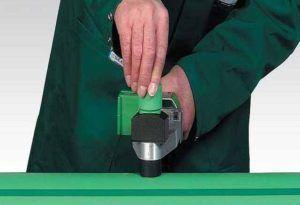
- Welding produces a homogeneous seam, ensuring a high-quality connection. Three types of welding are used for such pipe blanks: butt welding, polyfusion welding, and electrofusion fittings.
- If required, threaded fittings are used. Teflon tape or sealants are used to ensure a tight seal.
- When laying polypropylene water pipes (the technical specifications of which allow for thermal expansion), two types of fastening are used: fixed and sliding supports. The first option is suitable for short pieces, otherwise the pipes will burst when heated. The second option creates compensatory movement of the main line (stretching and compression). This method does not cause the main line itself to shift from its axis.
- When laying, it is necessary to maintain a slope of at least 0.5%.
- When mounting water supply equipment, avoid rotational stress and elbows attached to the wall. It is recommended to secure them to rigid plates that ensure immobility.
ADVICE. It is not recommended to make carvings on plastic workpieces yourself. Professionals advise purchasing fittings and pipes from one manufacturer.If this is not done, no one can guarantee proper tightness of the connection between the rolled pipe products and plumbing fixtures.
Video 3
Polypropylene pipes offer the ideal balance between price and quality. The technical characteristics of this material fully confirm this, which is why they are so popular and significantly superior to steel pipes.