Fences made of 3D panels have firmly established themselves among modern fencing solutions thanks to their combination of reliability, durability, and versatility. Here's what manufacturers provide on the key criteria for selecting and installing this type of structure.

Design features of 3D panels
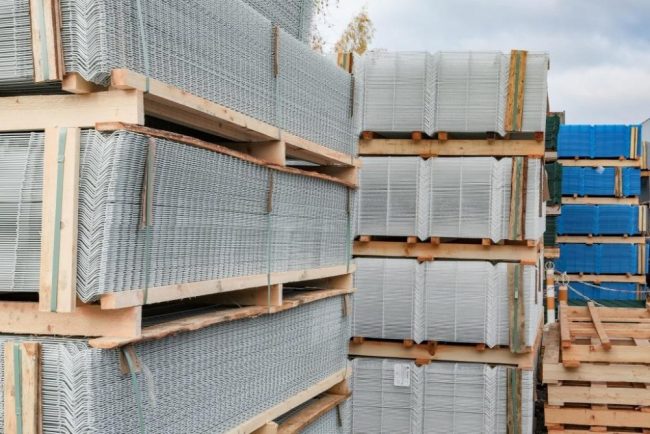
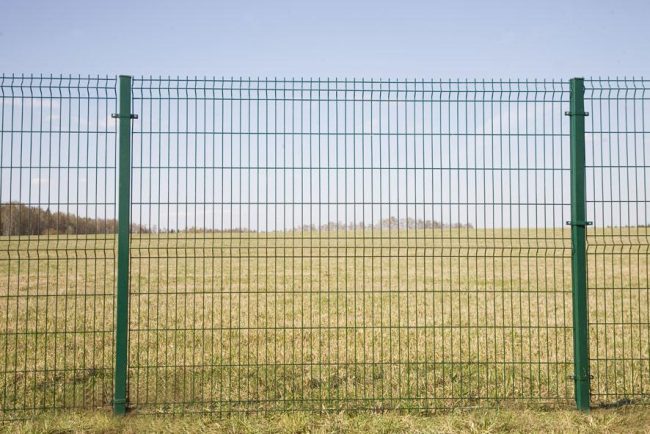
The fence's core consists of welded mesh panels made of steel rods. The vertical and horizontal elements are connected at the joints using resistance welding, ensuring basic strength. A distinctive feature of a high-quality 3D panel is the presence of V-shaped bends, created on specialized bending equipment after welding. These bends provide the section with additional spatial rigidity and resistance to deformation, a technological feature of this type of fencing. The panel height varies, which is important to consider when designing the fence.
Corrosion protection: The durability of a metal fence directly depends on the quality of the protective coating.
The standard is two-layer protection:
Hot-dip galvanizing: Application of a zinc layer by hot-dip galvanizing provides cathodic protection to the steel over the entire surface, including weld spots.
Polymer coating (powder paint):
Applied over a zinc coating, it provides an aesthetically pleasing appearance and an additional barrier against atmospheric influences. The color palette allows the fence to blend harmoniously into its surroundings.
Selection and installation of support pillars.
The fence's supporting structure consists of profiled metal posts. Their cross-section (square or rectangular) and metal thickness are selected depending on the fence's height and the wind load in the region.
The reliability of the entire structure is determined by the correct choice of the method for installing the pillars:
Concreting: A traditional method in which the post is installed into a drilled hole and secured with concrete. Suitable for stable soils.
Flange on a concrete base:
A flange (a plate with holes) is welded to the bottom end of the post. The post is secured with anchor bolts to a pre-poured concrete foundation (pedestal).
Flange on pipe:
Similar to the previous one, but the flange is attached to a larger diameter pipe embedded in the ground or concreted.
Flange for screw piles:
The preferred method for sites with challenging soil conditions (high groundwater levels, frost heaving, peat bogs, and slopes). A helical pile is driven into the ground below the frost line, providing stable support. A mounting plate is welded to the pile head, and the fence post is attached to this plate via a flange.
Important considerations for installing poles
Depth of soil freezing: Key parameter: The lowest support point (the end of the concreted column, the blade of the screw pile) must be below this level to prevent frost heaving forces from pushing the column out.
Soil heaving: Soil expands when it freezes. This is especially true for clay soils. It requires installation methods that minimize the impact of these forces (screw piles, installation below the frost line).
Site survey: Before choosing a final pole installation method, it is recommended to conduct geodetic surveys or consult with specialists to determine the soil type, groundwater level, and frost depth at the specific site. This will allow you to select the optimal and most cost-effective method.
Installation of fence sections.
Attaching 3D panels to posts is a crucial step. Manufacturers recommend using special fasteners:
Mounting brackets: Specialized metal elements. Attachment to the post is accomplished using hardware: bolts, screws, nuts, or self-tapping screws. The panel is inserted into the bracket's groove and securely fastened.
Mounting clamps: U-shaped or other shaped elements that enclose the horizontal rod of the panel and secure it to the post with bolts. The use of clamps or clamps is a proven method that ensures secure and accurate panel fastening, allowing for section removal without damage if necessary. Direct welding of the panel to the post is not recommended, as it can damage the protective coating and complicate future section replacement.
A 3D fence is a practical and durable barrier for marking property boundaries. The key to its reliability and longevity lies in the proper selection of panel and post dimensions, the use of high-quality materials with a protective coating, and, most importantly, the careful installation of support posts, taking into account the site's soil conditions and the recommended methods for fastening the sections. Considering these factors at the planning stage, including a soil survey, ensures trouble-free operation of the fence for many years.