- Introduction
- Advantages of automatic garage doors for a private home
- Comfort you feel every day
- Security is not just about hacking
- Energy efficiency and durability
- Types of automatic systems: sectional, swing and sliding
- Sectional doors are the standard for a modern garage.
- Swing gates - classic with automation
- Sliding gates are a solution for narrow openings
- How to choose a drive and control system
- Drive types: a solution for every format
- Key parameters when choosing
- Control systems: from remote control to smart home
- Installation and operation features in Russian conditions
- Editing: Where mistakes are most often made
- Winter Operation: How to Avoid Problems
- Maintenance: simple but regular
Introduction
Just ten to fifteen years ago, automatic garage doors in Russia were considered a luxury item—they were installed only in luxury cottages or commercial buildings. Today, everything has changed: automatic doors have become affordable, reliable, and almost a must-have for a modern private home. They are no longer just a convenience, but an element of comfort, security, and even energy efficiency.
Modern garage doors are complex engineering systems that not only open at the touch of a button but also integrate with smart home systems, respond to weather conditions, alert to malfunctions, and protect against burglary. But to achieve all these benefits, it's important to choose the right construction type, drive, and material, and consider installation considerations from the design stage.
In this article, we'll explore why automatic garage doors are no longer a fad, but a smart solution for a country home. We'll also explore the technologies available on the market, and what you should pay attention to to avoid overpaying and running into problems a year after installation.
Advantages of automatic garage doors for a private home
Automatic garage doors aren't just "convenient"; they're a solution that transforms the daily life of a country home owner. Especially in the Russian winter, when getting out of the car in the snow or freezing rain is increasingly undesirable. But beyond convenience, automatic doors offer other, less obvious benefits.
Comfort you feel every day
- Opening without leaving the car. Even in a snowstorm or downpour, you can open the gate using a remote control, key fob, or smartphone—and drive straight into a warm garage.
- Integration with smart home. Modern systems allow you to control your gates via an app, receive notifications about their status (open/closed), set up schedules, or turn on garage lighting simultaneously with opening.
- Smooth and silent operation. High-quality drives operate almost unnoticed—an especially important consideration if the garage is adjacent to a living area.
Security is not just about hacking
Modern automation makes gates not only convenient but also safe—in several ways:
- Protection from unauthorized access. Opening automatic gates mechanically is much more difficult than opening conventional gates. Many models are equipped with locking and anti-return systems.
- Safety functions for people and equipment. Obstacle sensors will stop the door if a child, animal, or object is in the opening. This prevents injury and damage to the vehicle.
- Automatic closing. Some systems can automatically close the gate after a set time, so you'll never forget to do it when you leave or go to sleep.
Energy efficiency and durability
Good automatic gates are also part of the home's thermal circuit:
- Sectional structures fit tightly to the opening, preventing cold air and moisture from entering.
- Insulated panels reduce heat loss, which is especially important if the garage is heated or used as a workshop.
- A properly selected drive reduces wear on the mechanics, unlike manual opening, which often results in distortions and jerks.
Ultimately, automatic garage doors are an investment not only in convenience but also in security, energy efficiency, and vehicle safety. And the more often you use your garage, the faster this "luxury" pays for itself.
Types of automatic systems: sectional, swing and sliding
Choosing a garage door type isn't just a matter of design. The design determines how much space the system will take up, how it will perform in your climate, how reliably it will withstand intensive use, and even whether it can be installed at all—for example, if the property is limited or there's a power line nearby. Let's look at the three main options used in private construction today.
Sectional doors are the standard for a modern garage.
This is the most popular type for private homes. The panel consists of several insulated panels connected by hinges. When opened, it rises vertically along tracks and folds along the garage ceiling.
- Pros: They save space in front of the garage, provide good heat and sound insulation, are suitable for high openings, and are easily integrated with automation.
- Cons: require free space inside the garage (ceiling height at least 2.4 m), are more difficult to repair if one panel is damaged, and are more expensive to manufacture.
Ideal for single-story garages, home extensions, and situations where maintaining a driveway in front of the entrance is important.
Swing gates - classic with automation
The design resembles a regular gate, only larger. The door leaf opens inward or outward on hinges. The automation here consists of electric drives installed on each leaf.
- Pros: Simple mechanics, low cost of the kit, the ability to use any materials (metal, wood, composite), good appearance, especially in the "country" or "classic" style.
- Cons: They require free space in front of the garage (at least the width of the door leaf), do not protect from wind and cold as well as sectional ones, and if installed incorrectly, they may become distorted or jam.
Suitable for large lots and garages not located close to a fence or road. They are often chosen for two-car garages or when aesthetics are important to the facade.
Sliding gates are a solution for narrow openings
The curtain slides along the garage wall on rails, either outside or inside (if there's a utility room). In private homes, external sliding is more common.
- Pros: They do not require space in front of the garage, are suitable for low ceilings, can withstand large sizes (up to 6 m or more), and can be easily disguised as a fence.
- Cons: They require a level surface to move on, are sensitive to snow and dirt on the rails, require regular cleaning and lubrication, and can be noisy during operation.
They are often used in confined spaces, such as city cottages or narrow summer cottages where there is no room for swing doors or the height for sectional doors.
Important: The type of door should be chosen during the garage design stage, as it determines the width and height of the opening, the placement of the supports, and the presence or absence of a ceiling. Mistakes made at this stage are difficult to correct later without major rework.
How to choose a drive and control system
The drive is the "heart" of an automatic garage door. Its quality determines not only the convenience but also the reliability of the entire system for years to come. The choice of drive is directly related to the type of door, its weight, frequency of use, and even climate conditions. Let's look at what to look for and how to avoid making the right choice.
Drive types: a solution for every format
- For sectional doors The most common ceiling drives are chain or belt drives. They are attached to the garage ceiling and connected to a shaft onto which the curtain is wound. Belt drives are quieter but more expensive; chain drives are more durable and better suited for heavy, insulated structures.
- For swing gates Lever or linear drives are used, installed on each door leaf. Lever drives are universal and suitable for most designs. Linear drives are more compact but require robust mounting and perfect hinge geometry.
- For sliding gates A geared motor is used, either built into the lower guide beam or mounted separately. It must be protected from moisture and dust, especially if the rail is located outside.
Key parameters when choosing
- Power and resource. For a private home, a drive with a service life of 10,000–15,000 cycles (opening/closing) is sufficient. If the garage is used several times daily, it's better to choose a model with a longer lifespan.
- Noise level. If the garage is adjacent to a bedroom or children's room, it's worth considering models with reduced noise levels (usually these are belt-driven or composite gearboxes).
- Protection against overheating and breakage. High-quality drives are equipped with thermal protection and an emergency manual opening function—especially important during a power outage.
- Work at sub-zero temperatures. Not all drives tolerate frost equally well. For Russia, it's best to choose models rated for operation down to -25°C and below.
Control systems: from remote control to smart home
Modern drives support several control methods:
- Remote controls and fixed buttons. The simplest and most reliable option. Good systems use rolling code encryption to prevent signal copying.
- Integration with intercom or video surveillance. Allows you to open the gate without leaving your home – convenient for guests or couriers.
- Control via smartphone. Requires installation of a Wi-Fi module or connection to a smart home system. This adds flexibility, but is dependent on a stable internet connection and power supply.
- Backup power supply. Some drives support battery connection, so even if the power goes out, you'll still be able to open the garage at least a few times.
Important: Don't skimp on the drive. Cheap alternatives often fail within 1-2 years, and repairs or replacements are more expensive than purchasing quality equipment in the first place. It's better to choose proven brands with a warranty and service support in your region.
Installation and operation features in Russian conditions
Even the most expensive and technologically advanced automatic gates can quickly fail if installed improperly or if the specifics of the Russian climate are not taken into account. Harsh winters, fluctuating temperatures, high humidity in the spring, and road chemicals all place additional stress on the structure and automation. To ensure a long and trouble-free service life, it's important to consider a number of factors during installation.
Editing: Where mistakes are most often made
- Incorrect foundation for supports. This is especially critical for sliding and swing gates. In Russia, the soil freezes deeply, and without a reinforced foundation, the posts will warp over time, leading to distortion and failure of the automatic system.
- Ignoring the thermal circuit. When installing sectional doors, it's important to seal the joint between the door frame and the opening. Otherwise, cold air will blow through the cracks, and condensation will damage the mechanism.
- Lack of drainage in front of the garage. In spring and fall, puddles near the doorway are a common problem. If water gets on the tracks of sliding gates or the bottom of swing gates, it causes corrosion and freezing.
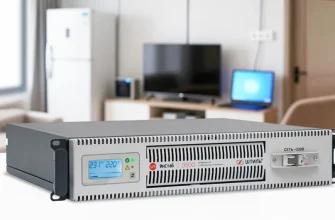
- Incorrect power supply connection. Drives are sensitive to voltage surges. In the private sector, it is recommended to use a stabilizer or UPS, especially in areas with unstable grids.
Winter Operation: How to Avoid Problems
The Russian winter is the ultimate test for automatic gates. Here's what helps keep the system running smoothly:
- Regular cleaning. Snow and ice on sliding gate tracks or at the bottom of sectional structures can block movement. It's best to clear the opening immediately after a snowfall.
- Special lubricants. Regular machine oil thickens in cold weather. For guides, hinges, and gears, use frost-resistant compounds (such as silicone- or lithium-based).
- Opening heating (optional). Some homes install underfloor heating or cable heating in the gate area—this prevents ice formation and makes the drive easier to operate.
- Checking sensors. In winter, snow or frost often sticks to them, which can cause false alarms. Wiping them off once a week is sufficient.
Maintenance: simple but regular
Automatic gates do not require daily maintenance, but maintenance cannot be ignored:
- Once every 6 months - check the chain/belt tension, the condition of the guides, and the operation of the emergency opening.
- Once a year - complete diagnostics of the drive, renewal of lubricant, checking of seals for leaks.
- After severe frosts or storms, visually inspect for damage and distortions.
It's important to remember: most warranty claims are not related to the quality of the equipment, but to improper installation or operation. Therefore, trust installation only to certified specialists, not to "someone you know who's cheaper." In the long run, this will save you time, stress, and money.