The topic of free home heating often sparks interest among those looking to save on utility bills. The idea of creating a heating system that requires no energy costs is appealing, but in practice, this requires a thorough understanding of the technologies and their limitations. When discussing free heating, it's important to understand the actual source of this "free" feature, the technologies available, and why completely eliminating heating costs is impossible in most cases.
The essence of the concept of "free heating"
Many people imagine free heating as an ideal system that requires no fuel or electricity costs. However, in reality, any heat source requires an initial investment, whether solar panels, geothermal systems, or other alternative sources. It's important to distinguish between the concept of "free heating" and the actual costs associated with installing and maintaining such systems. When people talk about "free," they most often mean a system that significantly reduces ongoing heating costs, but still requires an initial investment.
How do alternative heating sources work?
- Solar collectors and panels
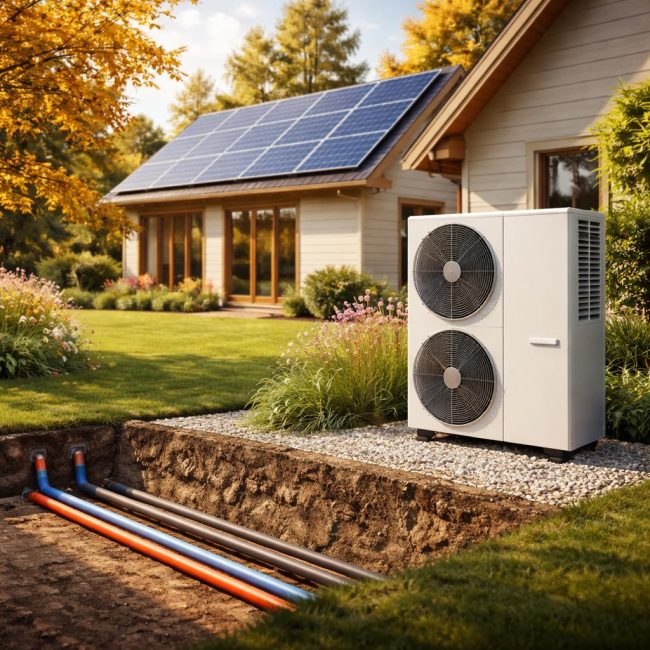
Solar systems are one of the most popular options. They can significantly reduce heating costs by harnessing solar energy. However, it's important to keep in mind that solar collectors only operate effectively during certain times of the year and under conditions of sufficient sunlight. To fully cover heating needs, a fairly large panel area is required, necessitating a significant initial investment. The system also requires maintenance and periodic cleaning.
- Geothermal heating
Geothermal systems use heat stored in the earth's crust, making them a highly efficient heating method. Unlike solar collectors, geothermal systems operate year-round, regardless of weather conditions. However, the cost of installing a geothermal system can be high, and it also requires installation and maintenance. This system may be more efficient in the long run, but it requires a significant initial investment.
- Heat pumps
Heat pumps, unlike traditional heaters, draw heat from outside or other sources, reducing energy consumption. During colder months, the heat may not be sufficient to fully heat a home, making these systems less efficient in extreme climates. However, they offer long-term savings when properly selected and installed.
Typical use cases
Let's say you live in a private home and want to reduce your heating costs. You could consider installing solar panels or geothermal systems. In this case, it's important to understand that you'll still have to pay for the equipment and installation in the first few years. However, over time, the system can provide significant cost savings, especially during sunny, moderate winters. It's important to keep in mind that each of these solutions has its own nuances: for example, solar panels require seasonal maintenance, while geothermal systems require heat exchanger maintenance.
Limitations and nuances
In reality, completely eliminating heating costs is extremely difficult. Even if you install solar panels or a geothermal system, you'll still have to pay for maintenance, technical support, and component replacement as they wear out. For example, geothermal systems have a high initial cost and may require additional expenses to maintain the pumps and heat exchangers.
Furthermore, the availability of "free heating" may vary by region. In areas with cold winters or limited sunshine, a system based on alternative energy sources will be less efficient, requiring additional energy to maintain a comfortable temperature in the home.
Common misconceptions
- Heating is free after installationPeople often assume that after installing solar panels or a geothermal system, they won't have to spend any more money on heating. This isn't true—while operating costs may be lower, they still require maintenance, component replacement, and potential additional energy sources.
- Solar panels solve all problemsSolar panels may be effective during sunny months, but their performance decreases during colder months, especially in regions with long winters.
- Geothermal systems are suitable for everyoneGeothermal systems require a large investment and are not suitable for all types of homes. For example, in areas with shallow groundwater, they may be ineffective.
Conclusion
The issue of "free heating" should be considered within the context of realistic limitations and the understanding that there are ways to reduce heating costs, but this doesn't mean eliminating them entirely. Investing in alternative energy sources, such as solar panels or geothermal systems, may be worthwhile in the long term, but it won't eliminate the initial investment. When considering different heating systems, it's important to consider both their technical characteristics and their long-term economic viability.