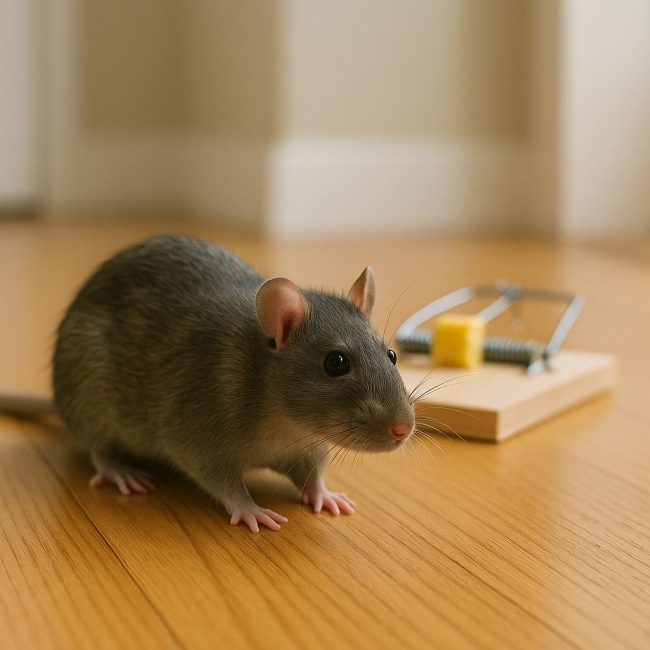
The presence of rats in homes is a serious problem for homeowners. These rodents not only cause material damage by spoiling food and furnishings, but also pose a threat to human health. Rats carry many dangerous diseases, including leptospirosis, salmonellosis, and hemorrhagic fever. Taking prompt rodent control measures can help avoid serious consequences for your family and property.
Self-control is often ineffective and time-consuming. Rodents are highly adaptable and quickly become accustomed to various methods of control. Professional pest control services have modern equipment and certified products for the complete eradication of rat populations. Specialists provide comprehensive rat treatment for premises, guaranteeing results and ensuring safety for residents.
Signs of rats in the house
Rats are primarily nocturnal, making them difficult to spot visually. However, these animals leave numerous traces of their activity, which can help identify the extent of the problem. Early detection of rat presence allows for prompt action and prevention of further infestation. Ignoring the early signs can lead to a serious infestation throughout the entire home.
The main signs of the presence of rats:
- The droppings are characteristically shaped, up to two centimeters in size, and usually dark in color.
- A specific musky smell, especially noticeable in places where rodents congregate.
- Scratching, grinding and running sounds in the walls, attic or under the floor.
- Chewed food packaging, furniture, wires and other items.
- Greasy marks along the walls from contact with animal hair.
- Burrows and nests made of various materials in secluded places.
Rat trails typically run along walls and in corners of rooms, where rodents feel most secure. Animals prefer to travel along the same routes, leaving behind characteristic abrasions and marks. If fresh droppings are discovered, proactive pest control measures should be initiated immediately. The quantity of droppings can indicate the size of the rat population and the length of time the rats have been present in the home. Regular inspection of potentially dangerous areas will help identify the problem early.
Reasons why rats appear in homes
Rats enter homes in search of food, water, and shelter to breed. These clever animals are capable of penetrating through the smallest cracks and openings, using any available means. Unfavorable environmental conditions (cold weather or drought) force rodents to seek more comfortable habitats. Proximity to food and water sources makes human dwellings particularly attractive to these pests.
Unsanitary conditions significantly increase the risk of rats in the home. Food left uncovered, crumbs on the floor, and dirty dishes create the perfect environment for attracting rodents. Poor hygiene in food storage and preparation areas encourages pest breeding. Accumulating garbage without prompt removal also attracts rats, providing them with additional food sources. Damp and warm areas (basements, attics, and underfloor spaces) become ideal nesting grounds.
Structural flaws in a building make it easy for rats to enter. Cracks in the foundation, gaps under doors, damaged ventilation grilles, and utility openings serve as entry points for rodents. Poorly sealed basement and attic windows also pose a security threat. Old wooden structures are particularly vulnerable to rat chewing. Regular inspection and timely repair of all potential entry points significantly reduces the risk of infestation. Preventative building sealing measures should be systematically implemented to maintain pest protection.
Methods of rat control
Effective rodent control requires a comprehensive approach and the use of various methods. The choice of a specific strategy depends on the severity of the infestation, the characteristics of the premises, and the owner's preferences. Mechanical methods of extermination are considered the safest for humans and pets. Chemical pesticides provide quick results but require careful handling and adherence to safety precautions. Biological methods are less commonly used due to the difficulty of process control. Combining various approaches increases control effectiveness and reduces the likelihood of rodent adaptation.
The main methods of rat extermination:
- Mechanical traps of various designs for the physical capture of rodents.
- Poisonous baits based on anticoagulants for mass destruction.
- Ultrasonic repellents for creating uncomfortable conditions.
- Glue traps for bloodless capture of small individuals.
- Live traps for humane capture with subsequent release into the wild.
Proper placement of traps is crucial to the success of a rodent control operation. Devices should be placed along walls, in corners, and wherever evidence of rodent activity is found. Bait should be fresh and attractive to rats; cheese, smoked meats, dried fruit, or special compounds are often used. Regularly checking and updating traps ensures their effectiveness. The safety of family members and pets requires special attention when using poisonous substances and mechanical devices.
Chemical control agents include rodenticides with various spectra of action and formulations. Anticoagulants disrupt rodent blood clotting, leading to internal bleeding and death. Acute poisons act faster but can arouse suspicion in intelligent rats. Bait stations ensure the safe placement of poisons and prevent accidental poisoning of people and animals. Professional formulations are highly effective and have a long shelf life. Following the manufacturer's instructions and precautions is critical for the safe use of chemicals.
Preventive measures
Preventing rat infestations is significantly easier and less expensive than dealing with an established rodent population. Systematic preventative measures create unfavorable conditions for pests to thrive and reproduce. Maintaining a clean home deprives rats of food sources and nesting sites. Regular cleaning should include thorough cleaning of hard-to-reach areas where crumbs and food debris can accumulate. Sealing all potential entrances prevents rodents from entering the building. A comprehensive approach to prevention ensures long-term protection from rat infestations.
Sanitation measures include properly storing food in airtight metal or thick plastic containers. Regular cleaning of the kitchen and dining area should be performed daily, paying particular attention to areas under furniture and appliances. Timely garbage disposal and the use of tightly sealed containers prevent rodents from being attracted by the odors of food waste. Wet cleaning with disinfectants eliminates odors that can attract new rodents. Maintaining dry basements and eliminating sources of stagnant water create unfavorable conditions for rats.
Structural protection measures require regular inspection and repair of all building elements. Cracks in walls, foundations, and floors should be sealed with high-quality, chew-resistant materials. Installing metal mesh on vents and chimneys prevents rodents from entering through utility systems. Trimming trees and shrubs near the house deprives rats of additional access routes to the roof and attic. Regularly mowing grass and clearing leaves near the foundation eliminates hiding places for rodents.
Conclusion
Controlling rats in a home is a serious challenge that requires a systematic approach and persistence. Successful resolution depends on a quick response, the correct choice of control methods, and the quality of preventative measures. Ignoring the first signs of rodent presence can lead to a large-scale infestation and significant financial losses. A comprehensive strategy, including eradication of the existing population and prevention of recurrence, ensures long-term protection for your home.
Professional assistance becomes indispensable in complex infestations where a guaranteed result is essential. Qualified pest control specialists have all the necessary resources to effectively address any rat problem. Modern methods and certified products ensure safe and effective rodent control with minimal risk to residents. Turning to professionals saves time and money, guaranteeing complete eradication of pests and preventing their recurrence. Investment in high-quality pest control pays off in the preservation of family health, the integrity of property, and peace of mind in your home.