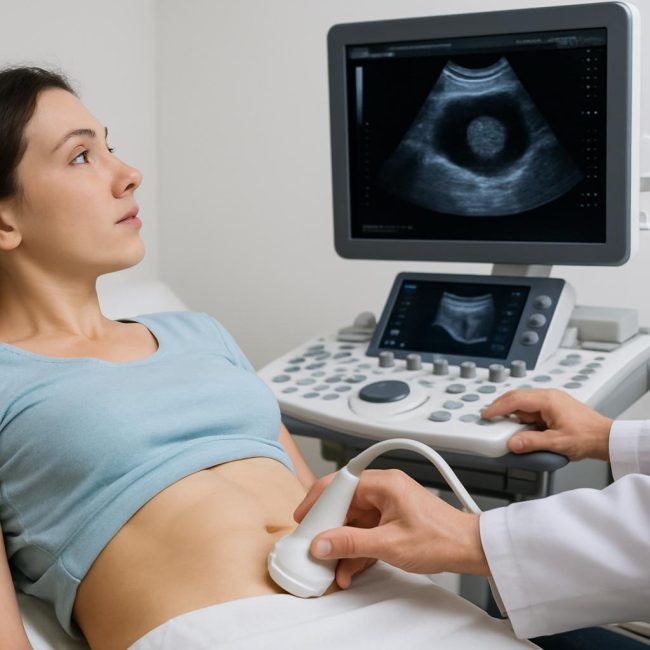
Modern medicine strives to diagnose diseases as early as possible—before significant symptoms appear. Ultrasound has become a key tool for early detection. This method has long proven its effectiveness, while remaining safe, fast, and accessible to virtually everyone.
- What is ultrasound and how does it work?
- When is ultrasound indispensable?
- Prevention
- Chronic disease management
- Screening during pregnancy
- Asymptomatic conditions
- Benefits of ultrasound examination
- What diseases can be recognized before symptoms appear?
- Why it's important not to wait for symptoms
- How often should I have an ultrasound?
- Ultrasound as part of a health culture
What is ultrasound and how does it work?
Ultrasound diagnostics uses high-frequency sound waves that reflect off body tissue. The machine captures these reflections and converts them into an image. This approach allows the doctor to literally peer inside the patient's body without incisions or radiation. Ultrasound is used in various fields of medicine—from cardiology to urology, from gynecology to gastroenterology.
One of the key advantages of the method is the ability to detect diseases long before clinical signs appear. For example, ultrasound examination (ultrasound) may show lumps that may later turn out to be a tumor, and a kidney examination will detect stones even before the pain begins.
When is ultrasound indispensable?
There are a number of situations in which ultrasound plays a crucial role:
Prevention
Regular ultrasound examination of the abdominal organs, pelvis and thyroid gland allows for the detection of cysts, nodes and tumors at an early stage.
Chronic disease management
For patients with hypertension, diabetes, and gastrointestinal diseases, the method helps monitor the condition of internal organs and detect complications in a timely manner.
Screening during pregnancy
Ultrasound is the primary method for monitoring fetal development. It can detect malformations, placental abnormalities, and growth retardation.
Asymptomatic conditions
Often, pathologies develop without obvious symptoms. For example, fatty liver disease or thyroid tumors may not manifest for years but be visible on ultrasound.
Benefits of ultrasound examination
- Safety: the absence of radiation allows the method to be used even for newborns.
- Availability: Ultrasound is included in most medical examination programs and is performed in public and private clinics.
- Instant results: the doctor sees the image in real time and can receive an immediate report.
- Painlessness: the examination is performed without discomfort, preparation or anesthesia.
What diseases can be recognized before symptoms appear?
- Polyps, cysts and neoplasms in the liver, kidneys, ovaries
- Thyroid nodules
- Gallstones and urinary tract stones
- Vascular aneurysms
- Chronic inflammatory processes
- Early stages of cancer
Why it's important not to wait for symptoms
Diseases detected in the early stages are easier to treat and often don't require surgery or complex interventions. Ultrasound helps doctors not only make a diagnosis but also assess progress—for example, after the start of therapy or surgery.
How often should I have an ultrasound?
- Once a year - diagnostics of the abdominal cavity and pelvis
- Once every 6–12 months – in the presence of chronic diseases
- As prescribed by a doctor - examination of the heart (echocardiography), blood vessels, and thyroid gland
Regular check-ups are especially important for people over 40, women undergoing hormonal changes, and patients with a hereditary predisposition to cancer.
Ultrasound as part of a health culture
A timely ultrasound examination is not just a diagnostic tool, but a way to maintain quality of life and avoid serious consequences. Doctors are increasingly recommending ultrasounds as part of a personalized health checkup rather than waiting for referrals.
Ultrasound is a case where technology works proactively. The earlier a disease is detected, the higher the chances of a full recovery. Ultrasound doesn't hide; it opens up opportunities for a life without fear.