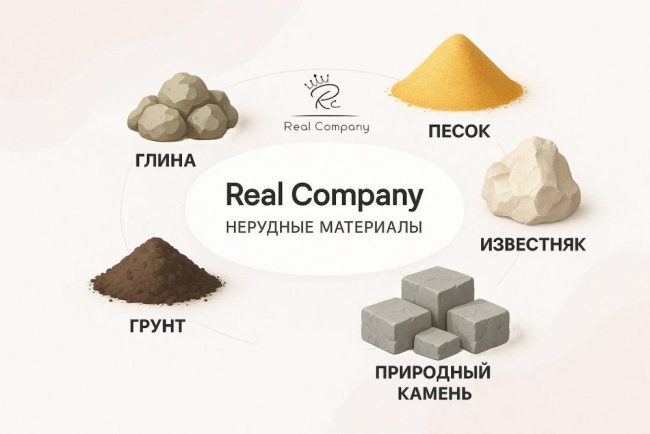
Widely in demand in construction non-metallic materials include expanded clay, soil, crushed stone, sand and other rocks extracted naturally or obtained through processing.
These components are widely used in road construction, concrete mix production, and finishing materials. Each has its own technical characteristics and is used for constructing foundations, leveling surfaces, reinforcing, and creating foundation pads.
Depending on their composition and particle size, materials vary in strength, density, and intended use. Types of non-metallic building materials are selected based on project requirements, from landscaping to large-scale engineering structures. Expanded clay, a particularly popular non-metallic material, is used for thermal insulation and lightweight construction.
All non-metallic construction materials undergo quality control and are classified according to GOST standards, ensuring the reliability and safety of construction projects.
- The concept of non-metallic building materials
- How are they different from ore materials?
- What materials are considered non-metallic?
- Classification of non-metallic materials
- By origin - natural and artificial
- By size and fraction
- By strength and density
- Main types of non-metallic building materials
- Crushed stone – properties and applications
- Sand - characteristics and where it is used
- Gravel is a popular material in construction.
- Screenings, broken concrete and bricks – secondary materials
- How are non-metallic materials mined and processed?
- Mining methods: quarry and open pit
- Equipment for processing and sorting
- Where are non-metallic materials used?
- Application in private construction
- Use in industry and infrastructure
- Advantages of non-metallic materials
- Economic benefit
- Resistance to environmental influences
- Why are non-metallic building materials the basis of reliable construction?
The concept of non-metallic building materials
Non-metallic materials are natural or processed mineral resources that do not contain metals. They are widely used in construction, road construction, and landscaping. Unlike ores, their value lies not in the metal extracted, but in their physical properties—strength, density, and resistance to external influences. Non-metallic materials include crushed stone, sand, gravel, screenings, and crushed concrete and brick.
How are they different from ore materials?
The key difference between non-metallic and ore materials lies in their composition and purpose. Ore materials are used to extract metals (e.g., iron, copper), while non-metallic materials are used as construction or filler materials. They are not beneficiated, but used as is after processing.
What materials are considered non-metallic?
Among the most popular:
- Sand is a universal filler in building mortars and concrete;
- Crushed stone is a durable base for foundations and road surfaces;
- Gravel is used in drainage systems and for landscaping;
- Screenings are a small fraction used in landscaping and finishing works;
- Crushed brick and concrete are recycled materials popular in cost-effective construction solutions.
Classification of non-metallic materials
Classifying nonmetallic building materials allows for more precise selection of the required bulk material based on the application, physical properties, rock origin, and grain size. This is essential for meeting technological requirements in construction, concrete production, and landscaping.
By origin - natural and artificial
- Natural: extracted from quarries - sand, gravel, crushed stone.
- Synthetic: produced by recycling construction waste, such as broken bricks, concrete, and blast furnace slag. These materials are often used in low-cost construction and demonstrate excellent performance properties.
By size and fraction
The fraction determines the scope of application:
- up to 5 mm - screenings, used for finishing;
- 5–20 mm – crushed stone for concrete, foundation;
- 20–40 mm — for road construction and backfill. The choice depends on the load, density, and stability requirements.
By strength and density
Materials are classified by strength (e.g., M600, M800 crushed stone) and by density, which is determined by the mineral composition and degree of crushing. Stronger non-metallic building materials derived from rocks are used in the construction of industrial and capital facilities, while less durable ones are used in private construction projects. Density affects not only the weight of the structure but also the cost of delivery and installation.
Main types of non-metallic building materials
Depending on the objectives, budget, required strength, size, and operating conditions, you can select the optimal type of aggregate—from natural gravel to recycled brick. These materials play a key role in surface preparation, creating bases, forming layers for slabs, constructing playgrounds, and other construction projects.
Crushed stone – properties and applications
- Granite crushed stone is highly durable, frost-resistant, and ideal for roads and foundations.
- Limestone is cheaper, but less durable, suitable for landscaping.
- Crushed concrete is a recycled material that is cost-effective and applicable for backfill and bedding.
Sand - characteristics and where it is used
- Quarry - affordable, with clay impurities;
- River - cleaner, suitable for finishing and concrete works;
- Alluvial - mechanically cleaned, used in construction and housing and communal services.
Gravel is a popular material in construction.
A naturally occurring, rounded stone formed from sedimentary and igneous rocks, quarried in quarries. It is often used to create durable foundations in construction, as a loose filler, and as a decorative element in landscaping. It is used in:
- drainage systems;
- decorative coatings;
- concrete mixtures of medium strength.
Screenings, broken concrete and bricks – secondary materials
This recycled raw material allows for cost reduction without sacrificing performance. Suitable for:
- bedding;
- road foundations;
- improvement of territories.
How are non-metallic materials mined and processed?
The process of extracting and processing non-metallic materials involves several technological stages, each of which impacts the quality and physical and mechanical properties of the resulting raw materials. From initial rock extraction to final sorting by fraction, all stages are critical to compliance with building codes.
Mining methods: quarry and open pit
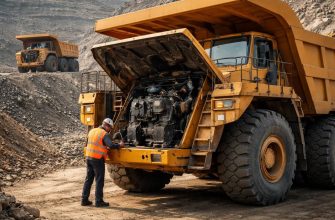
Mining is carried out in open-pit quarries. Depending on the type of rock, sand and gravel are sedimentary minerals extracted using excavators and other specialized equipment, while crushed stone is extracted by blasting hard rock and then crushing it into fractions. The types of non-metallic resources depend on their location, composition, and extraction method.
Equipment for processing and sorting
Used:
- crushers - for grinding;
- screens - for sorting by size;
- Conveyors—for movement between stages. Processing quality affects the purity and homogeneity of the fraction.
Where are non-metallic materials used?
Their versatility, durability, and affordability make non-metallic building materials indispensable in a wide range of construction applications. These materials have a wide range of applications—from residential and commercial buildings to infrastructure—due to their natural strength and adaptability to various operating conditions.
Application in private construction
- foundation and blind area;
- backfilling of paths and drainage;
- concrete base, preparation for laying tiles.
Use in industry and infrastructure
- construction of highways and bridges;
- production of concrete and reinforced concrete products;
- cushions for railway tracks and airfields.
Advantages of non-metallic materials
Non-metallic building materials combine high operational reliability, resistance to external influences, and cost effectiveness. Thanks to these qualities, they are used in road construction, foundations, pads, and concrete production, replacing more expensive alternatives without sacrificing quality.
Economic benefit
The benefits are particularly pronounced when using recycled materials, such as crushed concrete or brick. These materials are used to create backfill and bedding, reducing not only construction costs but also waste. Therefore, recycled aggregates are a cost-effective and environmentally friendly solution for many projects.
Resistance to environmental influences
Non-metallic building materials are highly resistant to mechanical and atmospheric stress. They easily withstand:
- temperature changes;
- moisture;
- mechanical loads. This makes them durable and reliable.
Why are non-metallic building materials the basis of reliable construction?
The selection of non-metallic materials is a key stage in any construction project.. Not only the reliability and durability of the structure, but also its resistance to external loads, service life and level of operating costs depend on it.
Non-metallic materials perform important functions: they form the foundation, provide drainage, contribute to thermal and sound insulation, and help distribute loads. A mistake at the selection stage can result in additional costs or even violations of building codes. Therefore, it is important to select materials based on the technical requirements of the facility, operating conditions, and expert recommendations.