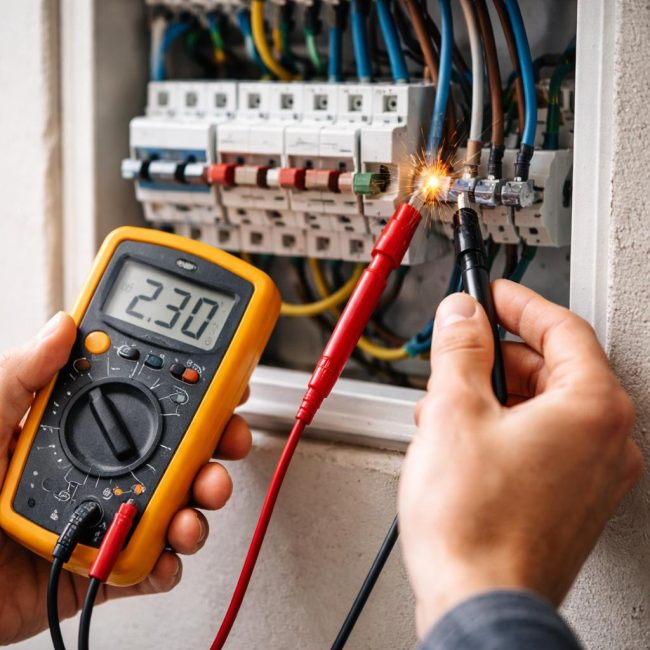
The question of voltage on the neutral wire is a concern for many homeowners and cottage owners involved in electrical systems or wiring. At first glance, this may seem unusual, as the neutral wire is typically grounded and should not carry voltage. However, there are situations when current appears on this wire. Let's explore what this means, how it occurs, and what consequences it may have on the electrical system.
What is a neutral wire and its functions?
The neutral wire plays a vital role in an electrical system. It serves to return current to the power source, i.e., the distribution board. Ideally, this wire should be voltage-free; it should be neutral, meaning it should not conduct electricity under normal operating conditions.
The neutral wire can also be grounded, providing additional protection for people from electric shock in the event of damage to the wiring. However, it is important to understand that the neutral wire is not always completely safe, especially if the wiring is damaged or installed improperly.
Why can voltage appear on the neutral wire?
- Neutral bond disruptionOne of the most common causes of voltage on the neutral wire is a faulty neutral connection. For example, if there is damage or poor contact on the line between the distribution board and the connection point, current can flow through the neutral wire, creating voltage.
- Network congestionSometimes voltage appears on the neutral wire due to an electrical network overload. When the network load becomes too high, the current may seek alternative return paths, including through the neutral wire.
- Phase damage: If one of the phase wires is damaged, voltage may appear on the neutral wire, as the entire system tries to compensate for the loss of phase.
- Malfunctions in electrical appliances: In some cases, a fault in the electrical appliances can cause current to flow through the neutral wire, which can not only cause voltage on the neutral wire, but also lead to overheating of the system.
How does this affect the electrical system?
The appearance of voltage on the neutral wire is a signal that there is a fault in the system that requires attention. This situation can lead to the following problems:
- Problems with connected devicesIf voltage appears on the neutral wire, it can affect the operation of connected electrical devices. They may receive an unstable power supply, which can cause them to break or short-circuit.
- Risk of electric shock: If the neutral wire is incorrectly connected to the ground or the wiring is damaged, there is a risk of electric shock.
- Security issues: Incorrect connections in the system may cause short circuits or damage electrical components such as sockets, switches and cables.
What to do if there is voltage on the neutral wire?
If you notice voltage on the neutral wire, don't panic, but don't put off fixing the problem either. Here are a few steps to help you safely troubleshoot the problem:
- Check connectionsCheck all wire connections, especially where the neutral is connected. The connections may need to be tightened or any damaged components replaced.
- Contact a specialistIf you are unsure of the cause of the voltage on the neutral wire or cannot fix the problem yourself, it is best to contact a qualified electrician who will diagnose and troubleshoot the system.
- Checking the devices: If voltage appears only when certain devices are connected, check them for faults.
- Update the wiring: If wiring is old or damaged, replacing it is an important step in ensuring the safe operation of the electrical system.
Main limitations and nuances
The neutral wire plays a vital role in electrical systems, and its malfunctions can be the result of both recent damage and the use of old or poor-quality wiring. It's important to remember that any electrical manipulation requires caution. Even if there's no visible voltage on the neutral wire, damage to the system can have serious consequences.
Common misconceptions
- There can be no voltage on the neutral wire.This is incorrect. If the wiring is faulty or damaged, voltage may appear on the neutral wire, which requires attention.
- The neutral wire is not dangerous.This is a misconception. The neutral wire can become dangerous if damaged or improperly connected, creating a risk of electric shock.
Conclusion
The neutral wire is a vital part of the electrical system, and any problems with it should not be ignored. The appearance of voltage on the neutral wire is a clear sign that something is wrong with your system. If you cannot determine the cause of the problem yourself, it is best to seek the help of a professional electrician.