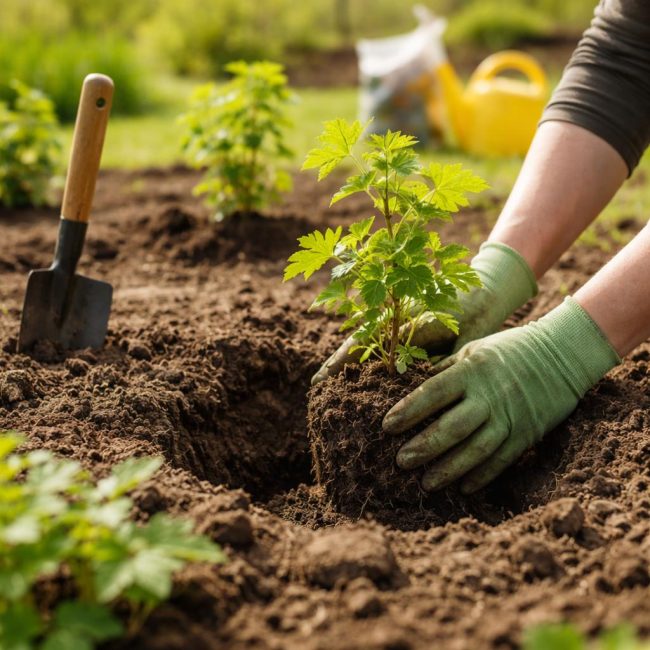
In the spring, gardeners often consider planting blackcurrants—one of the most popular and beneficial berries. This bush not only beautifies the garden but also produces a bountiful harvest, perfect for jams, compotes, and fresh eating. However, to ensure healthy and fruitful currants, it's important to follow a few key planting guidelines. Let's look at how to properly plant blackcurrants in the spring, as well as potential mistakes to avoid.
Introduction to the topic
Planting blackcurrants in spring is not only a crucial step but also a crucial one for a good harvest. Currants don't require complex care, but for successful growth and fruiting, choosing the right location and observing the optimal planting time are essential. Spring is the best time for planting, as it gives the plant time to establish roots and develop before the hot summer sets in. The right location, choosing the right seedlings, and following the correct planting techniques are the keys to a successful start.
The essence of the black currant planting process
1. Selecting a landing site.
Blackcurrants prefer sunny sites with good drainage. Ideally, they should be sheltered from strong winds but still receive plenty of sun. They dislike shade, and will not grow or produce fruit well in shaded areas. It's also important to remember that the plant does not tolerate stagnant water, so the location should have light, breathable soil.
2. Preparing the soil.
The soil for planting should be neutral or slightly acidic. Blackcurrants grow well in loose, fertile soil. Before planting, it's a good idea to conduct a soil analysis, and if the soil is too heavy or poor, improve it with humus or compost. It's important that the soil contains sufficient organic matter and micronutrients.
3. Selection of seedlings.
For planting, it's best to choose healthy seedlings with well-developed roots and no signs of damage. It's also important to choose varieties suitable for your region—some varieties may be more resistant to frost or various diseases.
How to plant black currants: practical application features
1. Depth and width of the hole for the seedling.
A hole for a blackcurrant seedling is usually dug 30-40 cm deep and about 50 cm wide. This allows the plant to expand and provide the roots with the necessary space. It's important to keep the root collar level with the soil surface and not dig deeper, as this can lead to plant rot.
2. Distance between seedlings.
To ensure proper growth and easy harvesting, leave 1.5–2 meters between currant bushes. This will ensure good air circulation, prevent plant diseases, and allow the bushes to thrive without competing for nutrients.
3. Fertilizers when planting.
When planting blackcurrants, it's important to use complex fertilizers, such as humus, peat, or compost. These are added to the soil when preparing the holes, improving its structure and nutritional value. However, it's important not to overdo it with fertilizer to avoid burning the roots.
Planting restrictions and nuances
Although black currant is a fairly unpretentious plant, there are some nuances that are important to consider when planting:
- Boarding time.Currants should be planted no earlier than 5-7°C in the spring. It's best to plan planting from late March to early May to allow the plants time to establish roots before the hot summer sets in.
- Caring for seedlings after planting.During the first few weeks after planting, it's important to carefully monitor soil moisture levels and water, but avoid overwatering. Excess moisture can lead to root rot.
- Frost protection.If night frosts are possible in the spring, young bushes should be covered with agrofibre or a special material to protect them from the cold.
Common misconceptions
Some gardeners, especially beginners, often make mistakes when planting black currants:
- Transplanting to a place with little sun.Blackcurrants don't grow well in the shade. If you choose a location with insufficient light, the plant won't produce a good harvest, and its bushes will become weak and diseased.
- Overfertilization.Some gardeners tend to over-fertilize their plants, believing this will promote rapid growth. However, excessive fertilizer can lead to root diseases and poor plant development.
- Inadequate soil preparation.Currants are demanding when it comes to soil quality. Without preliminary soil improvement, seedlings may fail to root and develop poorly.
Final thoughts
Planting blackcurrants in spring is a simple yet important process that requires following a few simple rules. Choosing the right location, preparing the soil, and caring for the plant in the first weeks after planting will help you grow healthy and fruitful bushes. By paying attention to all the nuances and avoiding common mistakes, blackcurrants will delight you with their delicious and healthy harvest for many years to come.