Electric welding is one of the most common technologies used in construction and renovation, as well as in mechanical engineering and other industries. Questions about the proper use of electric welding arise not only among professionals but also among DIY repair and assembly professionals. After all, improper handling of equipment or the selection of welding techniques can lead not only to unsatisfactory joint quality but also to dangerous consequences. In this article, we'll discuss the basic principles of electric welding, common mistakes, and important considerations.
Principles of electric welding
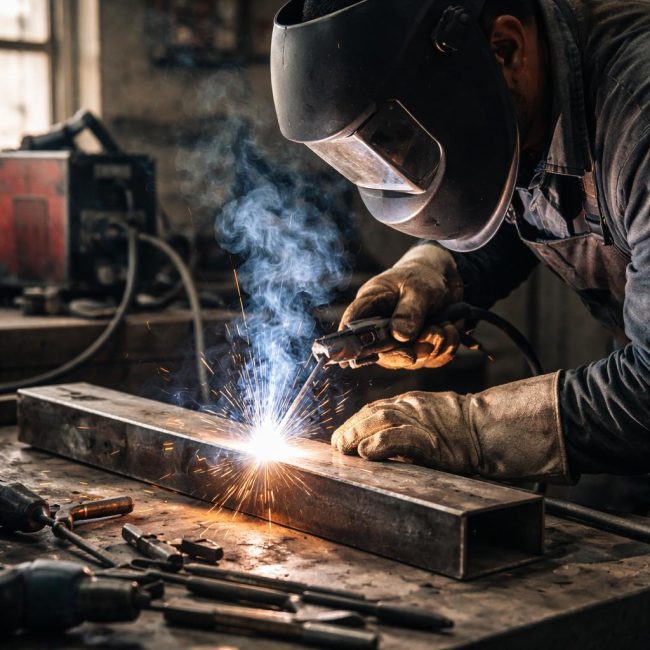
Electric welding relies on the use of an electric arc to melt metal and then join it. This creates extremely high temperatures, sufficient to melt the edges of the parts being welded, after which they solidify, forming a strong joint. To effectively use electric welding, it's essential to understand the basic principles underlying this process.
1. Welding current and its regulation
First, it's worth noting that welding is accomplished by passing an electric current through the metal. The appropriate current is selected depending on the material being welded. For example, welding thin sheets of metal requires a lower current, while thicker parts require more power. The correct selection of welding current affects not only the strength of the weld but also the appearance of the welded joint.
2. Correct selection of electrode
The electrode is a key element of the welding process. It feeds the welding material. There are several types of electrodes, and the choice depends on the specific job and the type of material. It's important to remember that each electrode has its own characteristics: diameter, coating, melting rate, and others. Incorrect electrode selection can result in poor joint quality and even material failure.
3. Stability of the welding arc
One of the most important factors in welding is the stability of the welding arc. When using electric welding, it is necessary to maintain a stable gap between the electrode and the material being welded to prevent the arc from extinguishing and to avoid brief interruptions in the welding process. This requires certain skills and the ability to sense the arc.
How it works in practice
The practical application of electric welding can vary depending on the task. In home repair or construction, welding is used to join metal structures such as frame buildings, staircases, fences, or pipes. It is also used to repair various metal objects, such as cars, household appliances, and even plumbing.
Example 1: Welding a metal frame for a summer house
Welding is often used to create the metal frame of a country house. It's important to set the welding current correctly, as excessive heat can damage the material, while insufficient heat will not ensure a high-quality joint. Furthermore, electric welding requires precision to ensure the frame is straight and does not warp.
Example 2: Automotive Parts Repair
Welding is also widely used in automotive repair. For example, when restoring the body of an old car, it may be necessary to restore or strengthen the metal. In such cases, it is necessary to consider the thickness of the material and select the appropriate electrodes to ensure a strong joint without overheating or warping.
Use cases and implications of different approaches
Each welding method has its own advantages and limitations. It's important to understand that the choice of approach depends on several factors: the type of material, the thickness of the metal, the surface condition, and the desired weld quality.
Scenario 1: Using Welding for Thin Sheets
If you're welding thin sheet metal, inverter welding machines with adjustable welding current are ideal. These machines ensure minimal overheating, preventing material deformation and producing a high-quality weld. However, care must be taken not to damage the metal by overheating, as thin metal is susceptible to high temperatures.
Scenario 2: Welding for thick structures
Welding thick structures, such as metal pipes, may require the use of more powerful machines and thicker electrodes. It's important to precisely adjust the welding current to ensure uniform heating of the metal and prevent pores or cracks from forming in the joint.
Limitations and nuances
Despite its versatility, electric welding has several important limitations and nuances that must be taken into account:
- Incorrect device settingsIncompatibility between the current and the selected electrode may result in poor weld quality, cracks, or weakened connections.
- Welder experienceElectric welding is a process that requires skill and experience. Lack of practice can result in uneven welds, as well as overheating or damage to the welding materials.
- Risk of injuryWhen working with electric welding, be aware of the risk of burns, electric shock, or eye damage due to the intense light of the arc. Therefore, it is important to follow safety precautions and wear protective equipment (mask, gloves, and protective clothing).
Common misconceptions
One common misconception among beginners is that welding is a simple task that can be mastered in a few hours. In reality, high-quality welding requires time and practice, as well as careful attention to detail. Don't neglect safety precautions, even if the job seems straightforward.
Another misconception concerns the choice of welding machine. Some novice welders believe they can use the maximum power setting for all tasks. However, when working with thin metal, this can lead to overheating, and for thicker parts, it can lead to insufficient joint strength.
Conclusion
Electric welding is an indispensable technology widely used in repair, construction, and various industries. However, achieving high-quality results requires considering a number of factors, from the correct selection of equipment and consumables to experience and adherence to safety regulations. Learning to use electric welding requires both theoretical knowledge and practical skills.