Natural finishes are making a comeback, and more and more people are abandoning plastic panels and synthetic paints in favor of wood. The reason is simple: wood creates a cozy atmosphere, regulates humidity, insulates well, and imparts a natural aesthetic to any room. But to ensure the material truly lasts for decades and is trouble-free during installation, it's important to choose the right wood species, finish, and quality grade.
When purchasing paneling in Moscow directly from the manufacturer, you can clarify all the parameters in advance—the wood species, the degree of drying, the origin of the raw materials, and the processing method. This approach helps avoid overpaying intermediaries and ensures that the material meets the stated standards.
- Why Breed Choice Matters
- Pine is a versatile and affordable option
- Spruce - natural whiteness and softness
- Linden - comfort and resistance to temperature changes
- Larch - strength and nobility
- Cedar - aroma and status
- Aspen - reliability and simplicity
- How to determine the quality of lining
- Humidity and climate – how to adapt the material
- Finishing and protection of wood
- Summary: How to Choose the Perfect Wood
Why Breed Choice Matters
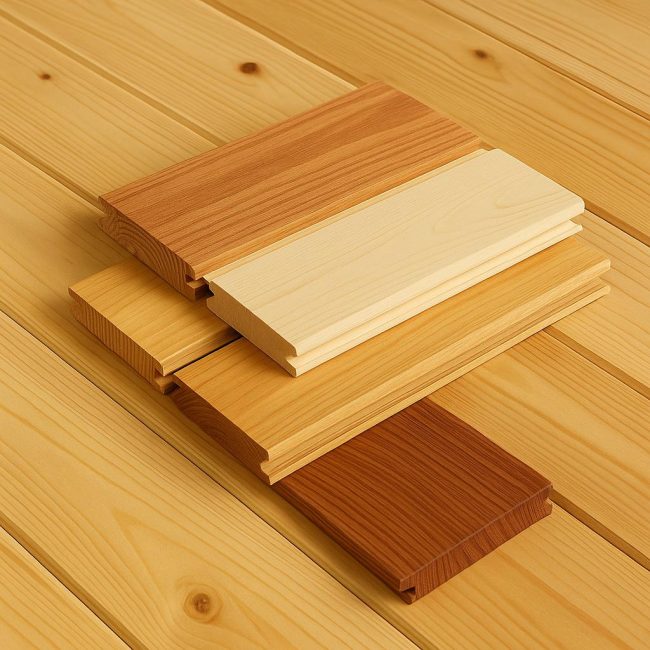
Each wood species has its own physical and decorative characteristics—density, moisture resistance, odor, and grain pattern. The choice depends not only on taste but also on environmental conditions: humidity, temperature fluctuations, lighting, and even the intended use of the room.
For example, what's perfect for a bedroom or living room may be completely unsuitable for a steam room or kitchen. Therefore, it's important to understand the differences between the main types of wood used for interior finishing.
Pine is a versatile and affordable option
Pine paneling is the most popular choice. It combines an affordable price, a pleasant golden-honey hue, and a distinct texture.
Advantages of pine:
- easy to process and install;
- holds its shape well when dried properly;
- has a pleasant pine aroma with antiseptic properties;
- Suitable for living spaces where a cozy, warm atmosphere is required.
Flaws:
- releases resin when heated;
- afraid of constant humidity;
- requires additional treatment in bathrooms or kitchens.
Pine paneling is an excellent solution for living rooms, bedrooms, and hallways, especially when used with varnish or oil.
Spruce - natural whiteness and softness
Spruce wood is often seen as an alternative to pine, but it has a lighter, almost white texture, which makes a room appear more spacious.
Advantages of spruce:
- light, with a soft light shade;
- minimal amount of resin;
- absorbs paint and stain well.
Cons:
- less resistant to mechanical damage;
- requires careful handling during installation;
- prone to cracking when overdried.
Spruce is ideal for spaces that require a light and airy finish, such as an attic, a child's room, or a Scandinavian-style kitchen.
Linden - comfort and resistance to temperature changes
If the interior is designed in an eco style or for rooms with high humidity (sauna, bathhouse, bathroom), linden is considered the optimal choice.
Advantages of linden:
- does not emit resin;
- does not overheat or darken over time;
- pleasant to the touch;
- easy to sand and can be decoratively finished.
Peculiarity: Linden tolerates sudden temperature changes well, making it ideal for steam rooms. Furthermore, linden paneling has a light aroma that, when heated, fills the room with a soft, unobtrusive scent.
Larch - strength and nobility
Larch is one of the densest and most durable woods. It is often called "Russian oak" for its exceptional resistance to moisture and rot.
Advantages:
- high hardness and durability;
- resistant to mold and mildew;
- beautiful texture - from golden pink to deep brown;
- Suitable for finishing both inside and outside the house.
Flaw: high price and complexity of processing.
However, if your budget allows, larch is one of the best investments. Not only does it look beautiful, but it can also withstand decades without losing its shape.
Cedar - aroma and status
Cedar paneling is the choice of those who value not only aesthetics but also the benefits of wood. Cedar produces phytoncides that purify the air and has a distinct aroma that creates an atmosphere of comfort and relaxation.
Advantages of cedar:
- natural antiseptic;
- moisture and insect resistance;
- high thermal insulation;
- luxurious appearance.
Cedar is often used for finishing bedrooms, studies, and luxury saunas. Despite its cost, this material fully justifies its durability and comfort.
Aspen - reliability and simplicity
Aspen paneling is another good option for wet areas. It's often used in baths and saunas because it doesn't release resin and doesn't burn when touched.
Advantages:
- dimensional stability under heating;
- absence of resin;
- soft silvery-gray shade;
- affordable price.
However, aspen is sensitive to changes in humidity and requires protection with special oils or waxes.
How to determine the quality of lining
Even the best wood will be of no use if the material chosen is of poor quality. Here are the main criteria to consider:
- Degree of drying. The optimal humidity level is 10–15%. Overdried wood will crack, while damp wood will warp after installation.
- Grade class.
- Extra - no knots or cracks, perfectly smooth surface.
- A - small knots and minor color differences are allowed.
- IN - knots, resin pockets, but no geometric defects.
- WITH - technical material for rough work.
- Profile geometry. Check that the tongue and groove fit together easily and that the planks are not warped.
- Color and smell. Natural wood has an even natural colour and a light aroma, without signs of mould or chemical impregnations.
Humidity and climate – how to adapt the material
Before installation, the lining should be acclimatize — let it sit indoors for 2-3 days to adjust to the room's temperature and humidity. This is especially important in winter, when the difference between outdoor and indoor temperatures can reach tens of degrees.
Reputable manufacturers often supply materials in packaging that protects against humidity fluctuations. When purchasing paneling directly from the manufacturer, you can inquire about storage and transportation conditions, which is especially important for large quantities.
Finishing and protection of wood
After installation, it's advisable to treat the wood with protective compounds such as oils, waxes, or varnishes. These not only improve the appearance but also prevent fungus, mold, and drying out.
Well suited for residential premises natural-based oils, which preserve the "breathing" structure of the wood. For wet areas - moisture-resistant varnishes and antiseptics, capable of withstanding constant contact with water.
Summary: How to Choose the Perfect Wood
The choice of wood is a balance between aesthetics, practicality and operating conditions.
- For living room or bedroom Pine, spruce or cedar will do.
- For baths or saunas - linden or aspen.
- For moisture-resistant rooms and facades - larch.
- If needed premium look and durability — choose cedar.
By purchasing siding directly from the manufacturer, you can be confident in the origin of the material, receive advice on wood species selection, and avoid overpayments for intermediary services. And the right wood will not only decorate your home but also create a special atmosphere of warmth and harmony that cannot be achieved with artificial materials.