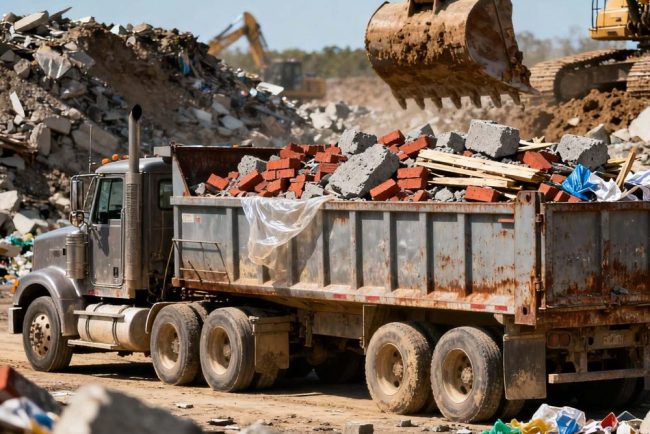
Construction waste is an inevitable part of any renovation, whether it's replacing wallpaper in an apartment or completely demolishing walls in a new building. Construction or renovation work always leaves behind debris: broken bricks, concrete, rebar, plaster scraps, linoleum trim, glass, window frames, doors, tile fragments, metal parts, and even broken old furniture. This waste is a problem faced by almost everyone renovating a home or office.
In Moscow and the Moscow region, such waste can only be transferred to organizations licensed to handle hazard class IV–V waste. Detailed information on how to properly organize construction waste removal—from selecting a container to completing paperwork—can be found, for example, on the website
The main difficulty is that you can't just throw all this stuff in the nearest building entrance or leave it near the trash cans. Such disposal is illegal, harmful to the environment, and can result in a fine. Therefore, it's important to know where to dispose of it properly.
The issue of waste disposal is particularly pressing in Moscow and the Moscow region, where waste volumes are growing daily and waste management regulations are becoming more stringent. Some residents of apartment buildings mistakenly believe that municipal solid waste (MSW) and construction waste are the same thing. This is incorrect: they are classified as different categories, and special containers and collection points are designated for their collection.
Situations vary: some are doing minor cosmetic renovations, while others are dealing with major demolition work in a private home. But in any case, it's important to determine in advance how to dispose of any remaining materials to avoid having to pay for the violation or find an emergency solution.
This article will help you understand the basic recycling methods, when to hire a specialized company and when to do it yourself, and, crucially, how to avoid administrative liability. This is a matter of cleanliness, not legislation, health, and environmental responsibility.
Specialized landfills and collection points: how to find the nearest one
Once construction waste has been collected, a logical question arises: where to dispose of it? Regular trash bins or landfills are unsuitable—such waste is only partially classified as municipal solid waste (MSW), and is more often classified as industrial or bulky. Special landfills exist for its disposal, accepting concrete debris, rebar, brick, soil, sand, paint, glass, and other materials generated during demolition or construction.
Finding such an object is easier than it seems. Here are a few proven methods:
- The website of the local management company or city administration often publishes information about the location of the nearest facility: addresses, contact information, and opening hours.
- A map of Moscow and the Moscow region on the Clean RF portal is the official resource for licensed companies involved in recycling and disposal.
- Reviews on specialized websites and forums—many citizens share their experiences: where they accept services for free, where a contract is required, and where the cost is inflated.
- Call the relevant organizations. Their operators will tell you where the nearest landfill is and whether they accept your type of waste.
Remember, not all companies work with individuals. Some companies only sign contracts with legal entities or construction companies. Therefore, before loading a truck, it's worth checking whether they accept your services—otherwise, you'll have to look elsewhere.
If you live in a densely populated area, there may be temporary bulk waste collection areas near residential buildings. However, these areas are usually designated for furniture or appliances, not building materials. Pay attention to the composition of the waste: plaster, concrete debris, rebar, and soil are not the same as old furniture or appliances.
It's best to determine the volume and categories of waste you generate in advance and contact a team. This will save time, money, and stress. After all, waste removal is a matter of logistics, and compliance with Russian standards and regulations is essential. Violations can result in fines of thousands of rubles, especially if waste is left in unauthorized places—for example, in stairwells or on store premises.
Therefore, knowing the location of the nearest landfill is essential. This will help resolve the issue correctly, safely, and legally.
Is it possible to dispose of construction waste at regular container sites?
The short and clear answer is no, you can't.
Regular container sites installed in the courtyards of apartment buildings are intended exclusively for municipal solid waste (MSW)—that is, what is generated in the course of everyday life: packaging, food products, paper, plastic, glass, and other household items.
Construction waste is a completely different material: broken brick, concrete, rebar, soil, plaster, linoleum scraps, window frames, doors, paint, and broken glass from demolition. This type of waste is classified as industrial or bulky, and its disposal is regulated separately.
Attempting to dispose of construction waste in public bins or leaving it in a container is considered a violation of sanitary and environmental regulations. Such actions are subject to administrative penalties: fines for individuals can range from several thousand to tens of thousands of rubles.
The management company or organizations responsible for property maintenance have the right to demand that you remove your waste at your expense, and if you refuse, they can report it to the authorities. Therefore, even a small bag of broken tiles or a piece of concrete should not be placed in the general waste container.
Some residents think, "It's just a one-time thing—no big deal." But in practice, such "one-off" incidents often lead to littering the area, damage to equipment during collection, and conflicts with neighbors and the management company.
Furthermore, construction waste takes up a large amount of space, and its presence in municipal waste containers interferes with the normal operation of public utilities. Vehicles are unable to remove the entire volume, collection deadlines are missed, and the problem becomes widespread.
Construction waste requires special processing and recycling. It can be recycled (for example, concrete debris is crushed into rubble), but only at specialized facilities.
Therefore, if you're doing renovations, be sure to think ahead about how and where you'll dispose of waste. It's better to order a container or rent a truck with movers than risk a fine and damage your reputation.
Remember: keeping your yard clean is everyone's business, and responsibility for proper disposal lies with the person who created the trash.
What to do with the remains of private construction or country house renovations
After building a private home or renovating a summer cottage, a significant amount of waste is almost always left behind: scrap lumber, brick fragments, concrete rubble, rebar, soil, sand, bits of plaster, wallpaper, linoleum, window frames, doors, metal parts, and broken glass. Unlike apartment building residents, homeowners often have the illusion that they can throw everything away "on their property"—but this is a mistake.
Landfilling on your own property is not a solution, but a threat: such actions violate environmental laws and can result in penalties, such as administrative penalties. This is especially true if the waste contains residual trash or materials hazardous to health, such as paint, varnish, or broken asbestos.
The main legal ways to get rid of garbage:
- Contact a specialized organization that provides recycling services. Many of them also work with individuals, offering container rentals of the required size, as well as delivery and unloading.
- Take the waste yourself to the nearest landfill designated for construction waste. Just make sure in advance that they accept your type of waste and whether a contract or documentation is required.
- Sort and reuse what you can: whole bricks, boards, metal, sand or soil are often suitable for new work or landscaping solutions.
Important: Even if the volume appears small, do not bury or burn it. This is harmful to the environment and may lead to complaints from neighbors or inspections by regulatory authorities.
If you live in the Moscow region or other areas with well-developed infrastructure, finding a collection point won't be difficult—just call or check the local administration website. Many companies offer competitive prices, especially if you order immediately after the work is completed.
Don't put off disposal until later—leftover junk quickly becomes a source of problems, from sanitary violations to the risk of injury to humans and animals.
It's best to plan ahead for waste removal and include this expense in your construction budget. This saves not only time and money, but also stress—after all, properly addressing the waste problem leaves your site clean, safe, and ready for new projects.
Construction waste is a type of trash that can be thrown away anywhere. Its disposal is an important part of the activities of individuals and construction companies. According to current legislation, everyone must ensure proper waste transportation and recycling to avoid harming the environment and administrative fines.
In practice, however, everything is possible and convenient if you approach the matter wisely. Today, there's a well-established system of specialized landfills and licensed organizations that handle waste disposal. The easiest way is to submit a request to a reputable company: they'll provide you with the necessary transport, container, or bags, help you pack the remains (including boxes, pipes, windows, tree debris, and large items), and then remove everything within a day or two.
It's important to remember: volumes often amount to tens of tons, especially when demolishing old properties or undertaking major renovations. Therefore, arranging services in advance is both wise and essential. This will save you from additional hassle, high fines, and problems with the management company or neighbors.
It's great to have a collection point nearby, but even if there isn't, many companies offer a turnkey service. The price includes vehicle rental, loaders, paperwork, and a guarantee of legal disposal.
The waste class determines how it can be transported and where it is accepted. For example, broken glass and paint chips require special handling, unlike concrete debris or sand. Therefore, before submitting a request, it's worth consulting—company operators clearly state: "Don't put construction waste in your municipal waste—it's a recipe for trouble."
Construction waste removal isn't an expense, but an investment in orderliness, safety, and compliance. And the more you know about the rules, the easier it is to handle this task without stress. It's 2025, and responsibility for cleanliness is everyone's responsibility.