When choosing wood for construction and interior decoration, physical and mechanical properties, durability, resistance to moisture and biological factors, as well as the aesthetics and aroma of the wood, play a crucial role. Among the popular wood species used in home improvement, linden and cedar deserve special attention—two seemingly dissimilar materials, each with its own unique advantages. In this article, we will examine in detail the characteristics of linden and cedar, their pros and cons, and their applications, as well as provide recommendations for choosing the one based on specific needs.
- Characteristics of linden: softness and purity
- The main properties of linden:
- Advantages of linden:
- Disadvantages of linden:
- Cedar: nobility, aroma and strength
- Main characteristics of cedar:
- Advantages of cedar:
- Disadvantages of cedar:
- Comparison of linden and cedar by key parameters
- The use of linden and cedar in construction and finishing
- Uses of linden:
- Uses of cedar:
- What to choose: linden or cedar?
- Combined use
- Conclusion
Characteristics of linden: softness and purity
Linden is one of the most popular hardwoods, particularly sought after for bathhouses and saunas, furniture, carvings, and decorative panels. It is distinguished by its light, almost white color with a slight yellowish or pinkish tint, soft texture, and neutral aroma.
The main properties of linden:
- Density— about 490 kg/m³ (dried), which makes it one of the lightest types of wood.
- Brinell hardness— approximately 1.8–2.0, which indicates high softness.
- Thermal conductivity- low, which is why linden retains heat well.
- Resin content- is completely absent.
- Moisture resistance- average, requires protection in high humidity conditions.
- Color— from light yellow to cream, almost uniform in structure.
Advantages of linden:
- No resins— makes linden ideal for bathhouses, since the wood does not release resin when heated.
- Ease of processing- soft wood is easy to cut, plan, and sand.
- Hypoallergenic- linden practically does not cause allergies.
- Heats up quickly and retains heat for a long time- important when used in steam rooms and saunas.
- Eco-friendliness- Linden does not require chemical treatment for interior use.
Disadvantages of linden:
- Susceptible to rotting when exposed to moisture without protection.
- Not suitable for structural elements due to low strength.
- May warp and crack if drying or operating conditions are not met.
Cedar: nobility, aroma and strength
Cedar, most often under this name in Russia is meantSiberian pine(Pinus sibirica), not true cedar (Cedrus), has a dense texture, a pleasant resinous aroma, and excellent protective properties. It is one of the most popular softwoods in timber house construction and high-end interior finishing.
Main characteristics of cedar:
- Density- about 520–580 kg/m³.
- Brinell hardness— within 2.5.
- Resin content- moderate, resin is not secreted in abundance.
- Resistance to moisture and insects- high, due to the antiseptic properties of wood.
- Color- from pinkish-gold to rich reddish-brown, with pronounced textured fibers.
Advantages of cedar:
- Durability- cedar is resistant to rot, fungal and insect damage.
- Unique aroma- has a relaxing and healing effect.
- Strength and stability— cedar does not warp or deform when drying.
- Thermal insulation and sound insulation- due to the structure of the fibers.
- Prestigious appearance— cedar finishing gives the interior a noble and expensive style.
Disadvantages of cedar:
- Higher price compared to linden and other types of wood.
- More difficult to process due to its density and resin content.
- When heated, resin may appear on the surface (which is important to consider in saunas).
Comparison of linden and cedar by key parameters
| Parameter | Linden | Cedar |
|---|---|---|
| Density | ~490 kg/m³ | ~550 kg/m³ |
| Strength | Low | Medium/high |
| Moisture resistance | Average | High |
| Resin extraction | Absent | Moderate |
| Thermal conductivity | Low | Low |
| Aroma | Almost absent | Distinctly coniferous |
| Hypoallergenic | Yes | May cause reactions |
| Ease of processing | Very light | Average |
| Appearance | Homogeneous light | Contrasting, rich |
| Price | Below average | Medium-high |
The use of linden and cedar in construction and finishing
Uses of linden:
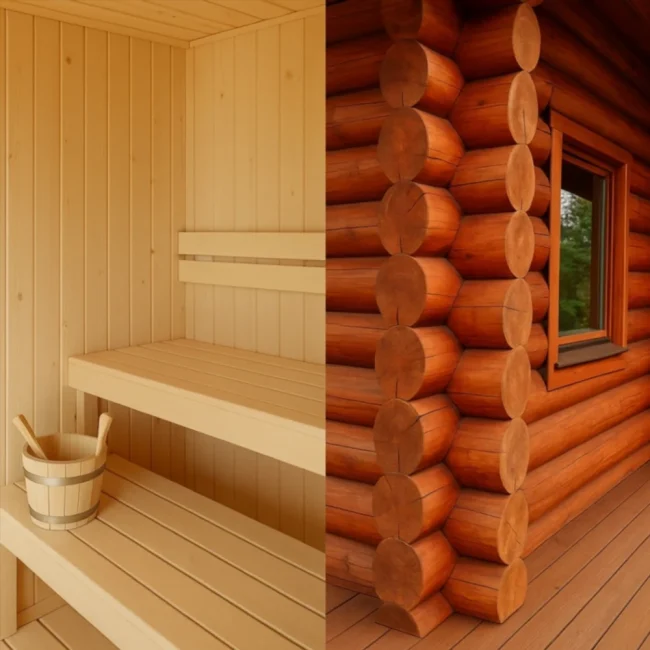
- Finishing of baths and saunas— for shelves, walls, ceilings.
- Wood carving— for decorative elements and panels.
- Furniture- in the interior, especially in children's rooms and bedrooms.
- Panels, clapboard— for dry rooms.
Uses of cedar:
- Construction of log cabins, houses and baths- cedar is used as a structural material.
- Finishing of saunas- walls, shelves, floors (with proper protection from resin).
- Elite furniture and panels- thanks to the color and texture.
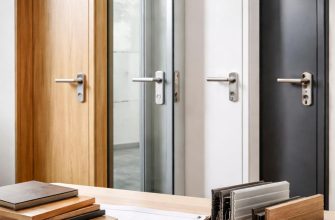
- Manufacturing of window and door units- due to stability and durability.
What to choose: linden or cedar?
The choice between linden and cedar depends on specific goals:
- If you need an environmentally friendly and inexpensive finish for your bathhouse— Definitely linden. It heats up quickly, doesn't burn, and is completely safe.
- If the task is to build a durable house or bathhouse from long-lasting material- cedar would be the best choice.
- To create a fragrant interior with a natural atmosphere- cedar, especially in bedrooms and living rooms.
- For carving and fine work, decorative panels and ceilings- Linden would be perfect.
Combined use
Many craftsmen and builders combine the two woods: for example, the frame and exterior elements are made of cedar, while the interior trim is made of linden. This ensures both strength and durability, as well as a safe indoor climate. This combination is especially common in luxury bathhouses, where cedar is used for load-bearing walls and floors, and linden for benches, headboards, and ceilings.
Conclusion
Both wood species—linden and cedar—are worthy of consideration in the context of modern construction and finishing. Linden is an ideal solution for those seeking an affordable, safe, and easily workable material for interiors and saunas. Cedar is the choice of those who value durability, aesthetic excellence, and the noble aroma of wood. By understanding the characteristics of each material, you can choose the optimal option or successfully combine them, creating a warm, eco-friendly, and beautiful space in your home.