Metal structures play a key role in construction today. They are used to build residential buildings, bridges, sports complexes, industrial facilities, and even architectural masterpieces. Their popularity stems from their combination of strength, durability, and versatility. Modern design and manufacturing technologies have made these structures lighter, more cost-effective, and more environmentally friendly, expanding their use across virtually all construction sectors.
Types of metal structures and their features
Metal structures come in a huge variety of shapes and purposes. They are classified according to several criteria: purpose, type of element, and manufacturing method.
Main types:
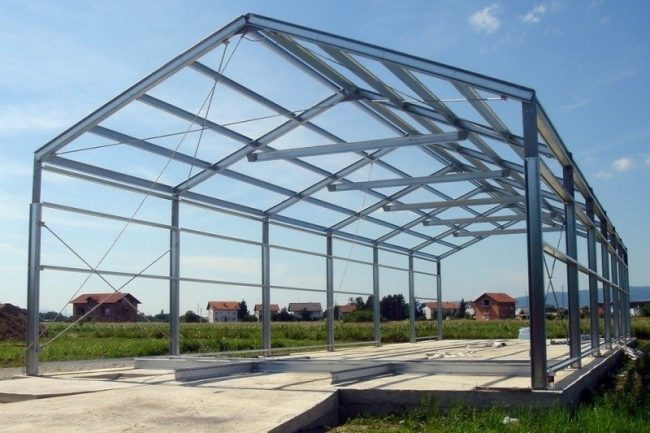
- Frame structures — used for constructing buildings and structures that require a strong yet lightweight frame. Examples include the frames of shopping malls, logistics centers, and business centers.
- Spatial structures — complex engineering systems that ensure the stability of large spans. They are used in the construction of stadiums, bridges, and airports.
- Lightweight structures — used where minimum weight while maintaining strength is important, for example, in warehouse hangars or pavilions.
- Heavy structures — designed for heavy loads, such as overpasses, bridge supports, and tower structures.
The variety of types allows designers and builders to solve a wide range of problems, from the rapid installation of lightweight pavilions to the creation of unique architectural objects.
Advantages of metal structures over other materials
Concrete and wood are still widely used in construction, but metal offers a number of unique advantages that make it the optimal choice for many projects:
- high strength and ability to withstand significant loads;
- durability with proper treatment and corrosion protection;
- relative lightness compared to concrete with comparable reliability;
- the ability to create complex shapes and non-standard architectural solutions;
- ease of dismantling and reuse of elements;
- compatibility with modern computer-aided design technologies.
Furthermore, modern anti-corrosion protection methods can significantly extend the service life of metal structures, even if they are used in aggressive environments or outdoors.
Applications of metal structures
Due to their versatility and technological advancement, metal structures are in demand in virtually all construction sectors.
Where are they used most often:
- Residential and commercial construction. Frame houses, business centers, shopping malls—all of these can be built faster and more affordably thanks to metal structures.
- Industrial facilities. Factories, warehouses, hangars, and workshops are examples of buildings where strength and the ability to span large spans without additional supports are important.
- Transport infrastructure. Bridges, overpasses, railway stations, and airports are built primarily using metal.
- Sports facilities and cultural objects. Stadiums, concert venues, and exhibition centers are acquiring unusual shapes and large-scale spans thanks to metal.
In recent years, metal structures have become increasingly popular in private construction. Lightweight steel frames allow for the rapid construction of cottages, garages, outbuildings, and even designer homes.
Economic and environmental benefits
Modern technologies have made metal structure production more efficient and environmentally friendly. Most components are mass-produced, reducing costs, and on-site assembly takes minimal time.
Another important advantage is recyclabilityMuch of the metal can be melted down and reused, making these structures more environmentally friendly than concrete or plastic.
Thanks to their quick installation and durability, metal structures help conserve resources, reducing maintenance and repair costs.
Metal structures have become the foundation of modern construction. They enable the creation of buildings and structures of any scale and shape, ensuring strength, safety, and durability. The variety of types and capabilities makes them a versatile solution for industry, infrastructure, and the residential sector.
Today, it's impossible to imagine construction without metal structures—they provide a balance between architectural freedom, cost efficiency, and environmental friendliness. This trend is only accelerating with the development of new manufacturing and design technologies.