When it comes to selling an apartment, getting a mortgage, or dividing property, an appraisal company comes into play. Its report is an official document that influences important financial decisions. However, the appraisal industry is shrouded in many myths. Many people mistakenly believe that an appraiser can "draw" any figure the client desires, or that their work is limited to a cursory inspection.
These misconceptions are dangerous because they lead to false expectations and financial losses. In reality, an appraiser's work involves complex analysis, subject to strict standards and the law, and the appraiser is responsible for the accuracy of the report. In this article, we'll address the most common stereotypes and explain how appraisals actually work, so you can make decisions based on facts, not speculation.
"He who pays the piper calls the tune": myths about the impact on the assessment results
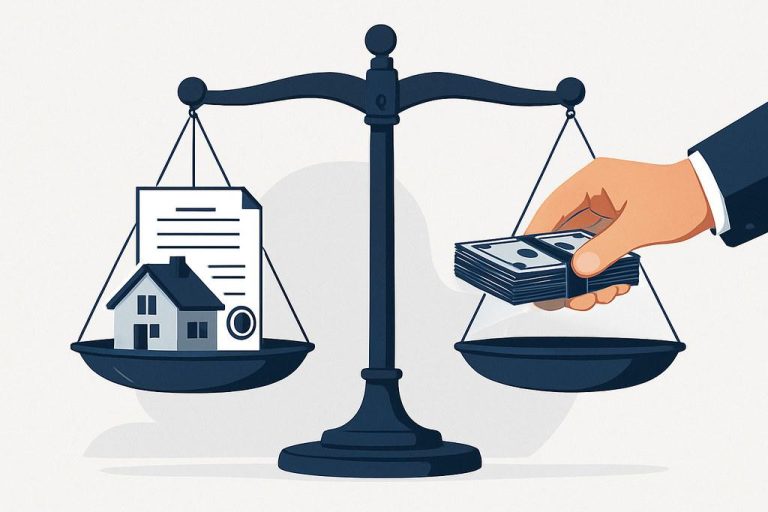
One of the most ingrained and dangerous myths is: "Whoever pays the price gets the result." Many clients sincerely believe that an appraiser is a hired contractor who, for a fee, will enter any desired figure into the report. If the appraisal is needed for a sale, they'll inflate it; if the cadastral value is disputed, they'll underestimate it. This logic seems simple and straightforward, but in reality, it has nothing to do with professional practice.
Appraisers' activities in Russia are strictly regulated by Federal Law No. 135-FZ "On Appraisal Activities" and federal appraisal standards (FVS). The key principles of their work are independence and objectivity. An appraiser does not represent the interests of any party, be it the seller, buyer, or bank. Their job is to determine the most probable market value of a property based on a comprehensive analysis, not to adjust figures to suit the client's expectations. Each report is signed by the appraiser, who bears personal, administrative, and even criminal liability for it.
You often hear the saying, "A bank appraiser always underestimates the value, while a private appraiser overestimates it." This is also a misconception, stemming from a misunderstanding of the purpose of an appraisal. When issuing a mortgage, a bank primarily insures against its own risks. It's not just the market value that matters, but also the liquidation value—the price at which the property can be quickly sold in the event of a loan default. Therefore, a bank appraisal may be somewhat more conservative. A private appraiser, working for the open market, determines the market value, that is, the most likely price of a transaction between independent parties. However, in both cases, the basis is not the client's wishes, but actual market data: prices of similar properties, the condition of the property, its location, and general economic trends.
Trying to "negotiate" with an appraiser is not only pointless but also dangerous. A report containing inaccurate data can be challenged in court, and any transaction concluded on its basis can be declared invalid. Every appraiser's professional liability is insured, and no professional who values their reputation and license will deliberately misrepresent the facts. The final value in the report is not a subject to negotiation, but the result of an impartial analysis based on facts and figures.
"Just walked around and looked": misconceptions about the work of an appraiser and the factors involved in valuation
Many people imagine an appraiser's visit as straightforward: they arrive at the property, take a few photos, ask a few questions, and leave within minutes. This gives rise to the myth that the entire process consists of a cursory inspection, with the final price plucked out of thin air. In reality, the inspection is merely the tip of the iceberg, the visible portion of a vast analytical process.
During the visit, the specialist records the property's key parameters that directly impact its value. This isn't just a "look." The appraiser thoroughly examines and documents:
- technical condition: the condition of the finishing of walls, floors and ceilings, wear and tear of windows, doors, plumbing and communications;
- planning solutions: compliance of the actual layout with the technical passport, the presence of unauthorized redevelopment, which can either increase or significantly reduce the cost;
- design features: wall material, type of ceilings, general condition of the building;
- location: view from the windows, number of floors, insolation (illumination).
All this data is needed not for formality, but for subsequent comparison with similar objects.
The main part of the work begins after the inspection and is hidden from the client's view. The appraiser immerses themselves in market analysis. They select 3-5 comparable properties (analogs) that have recently been sold or listed for sale in the same area. Then begins the most difficult stage: making adjustments. No property is an exact copy of another. Therefore, the appraiser mathematically adjusts the prices of the analog properties, accounting for all differences: differences in square footage, state of repair, number of floors, views from the window, and even the quality of the entrance hall finishes. For example, if a comparable property is being sold newly renovated, while the apartment being appraised requires cosmetic work, the cost of bringing it to a comparable condition is subtracted from the comparable property's price.
It's also important to distinguish between an appraisal and a technical assessment. An appraiser determines market value, but they're not a construction expert. They won't open up floors to check the condition of joists or tap the walls to find hidden cracks. Their job is to assess the visible condition and its impact on price. If you need an opinion on hidden defects and the technical integrity of the structure, that's the job of a construction and technical assessment specialist. An appraiser, on the other hand, answers one fundamental question: "What's this worth on the market right now?" And the answer isn't the result of a quick glance, but of painstaking analysis and calculations.
The report is ready – what's next? Myths about market, cadastral, and final value

So, you have the coveted appraisal report in hand. It contains the final figure—the market value. For many, this is where the story ends, but it's also where new misconceptions arise. Receiving the document isn't the end, but the beginning of its proper use. And the first thing to understand is that the figure in the report doesn't always equal the final transaction price.
Myth #1: The market value in the report is the exact selling price. In reality, market value is an estimated value. It represents the most likely price a property could sell for on the open market under competitive conditions, when both parties to the transaction act reasonably and have all the necessary information. The actual sale price may vary. The seller may be willing to offer a discount for urgency, while the buyer may be willing to pay a premium for a unique view. An appraiser's report is a powerful, objective reference point and a negotiating tool, but it is not a definitive price.
Myth #2: The appraisal report is valid forever. The real estate market is a living and dynamic organism. Prices fluctuate based on supply, demand, economic conditions, and even the season. Therefore, the market value determined by an appraiser is only valid as of a specific date, which is always indicated in the report. A document prepared a year or even six months ago no longer reflects the current situation. This is why banks and government agencies require that the report be current, typically no more than six months old.
Myth #3: Market value and cadastral value are the same thing. This is perhaps the most common and important misconception. These two figures almost never match because they have completely different purposes and calculation methods.
- Market value Determined individually for a specific property by an independent appraiser, it is required for transactions such as purchases and sales, loans, and property divisions.
- Cadastral value The state determines the value of a property using mass appraisal methods for entire groups of similar properties. Its primary purpose is to calculate property taxes. It does not take into account the unique features of a particular apartment, such as the quality of its renovation or the view from the window.
That's why the market value can be either higher or lower than the cadastral value. If you believe the cadastral value is inflated and you're overpaying taxes, the market value report will be the main argument for challenging it in court or before a special commission.