Contemporary design increasingly shuns excess decoration in favor of clean lines, light, and air. Minimalism has long ceased to be just a trend—it has become a full-fledged philosophy of life, reflecting the human desire for orderly and harmonious spaces. One of the most effective tools in the arsenal of an architect or designer striving for visual lightness and simplicity is frameless double-glazed windows, which can transform an interior beyond recognition.
Frameless glazing: the aesthetics of purity
A minimalist interior requires rigorous thoughtfulness and laconic solutions. This is why traditional window systems with massive frames and mullions are increasingly giving way to frameless designs. Frameless glass creates the sensation of a continuous glass panel, seemingly blurring the boundaries between the interior and the outside world. Visually, such windows or partitions appear "clean" and austere, emphasizing the geometry of the space and enhancing the effect of openness.
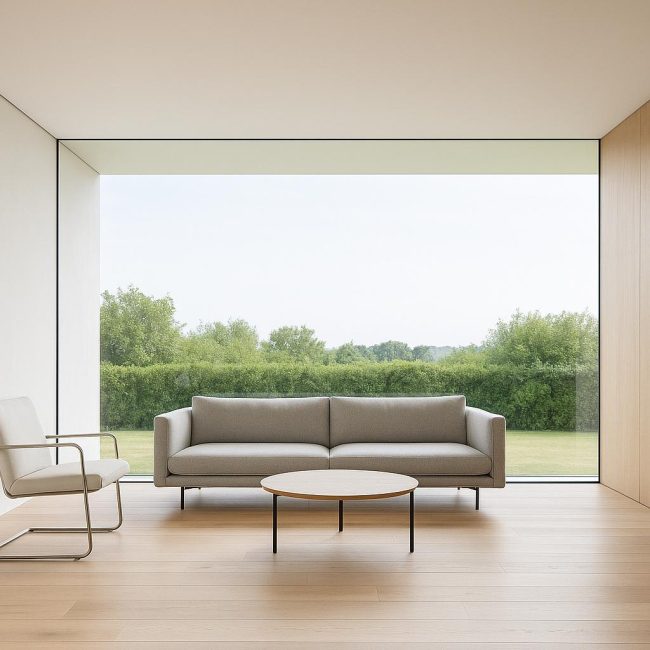
Such solutions look especially striking in spaces with panoramic views. When nothing obstructs the view, the room seems to dissolve into the landscape outside, filling with light and air. This is important not only for residential buildings, but also for offices, boutiques, galleries—anywhere the space needs to create a wow effect.
Space and light as the main accents
The core values of minimalism—space, light, and simplicity—are perfectly supported by frameless double-glazed windows. This design allows maximum natural light, making the room appear lighter and more spacious, especially if the interior is decorated in light colors. Simply replacing a traditional window with a frameless double-glazed window can visually "expand" the room without remodeling or additional costs.
Moreover, frameless glass units pair beautifully with other minimalist elements: glass partitions, concrete or wood accents, and natural textiles. They don't overwhelm the composition and don't require complex integration into the design.
Applications: Not just windows
Frameless glazing is finding more and more applications indoors. In addition to windows and facades, frameless double-glazed window frequently used:
-
as transparent partitions between zones (kitchen-living room, bedroom-bathroom, etc.);
-
in the design of stair railings;
-
in sliding systems (doors, sashes, display cases);
-
in showers and bathrooms;
-
when zoning open-space interiors.
This use is especially relevant in modern studio apartments and lofts, where space zoning should be light, not overwhelming.
Advantages of frameless double-glazed windows
Despite their apparent simplicity, frameless double-glazed windows have a number of tangible advantages:
-
Aesthetics. Perfectly smooth surface without protruding elements and partitions.
-
Maximum lightFrameless solutions let in more daylight than traditional windows.
-
VersatilitySuitable for both private homes and commercial properties.
-
Easy to care forThe frames don't accumulate dust and dirt, making these windows often easier to clean.
-
Resistance to external influencesWhen installed correctly and using high-quality materials, the structure is resistant to wind, moisture, and temperature changes.
Particular attention should be paid to the fact that a frameless double-glazed window is usually made of tempered glass, often triplex, which provides it with a high level of strength and safety even when impacted.
Disadvantages and features to consider
Like any design solution, frameless double-glazed windows have their own nuances that should be considered before starting work:
-
PriceSuch designs are often more expensive than standard framed windows.
-
Difficulty of installationPrecise installation, qualified installers, and precise measurements are required—the slightest error can affect the tightness or aesthetic appearance.
-
Requirements for the rest of the interiorIt's important that the rest of the room's design matches the visual clarity of the glazing—otherwise, the effect may be diminished.
Technology and installation: how to achieve the perfect result
To achieve a truly flawless result, it's important to use proven technologies. Most often, the double-glazed unit is secured using an aluminum profile recessed into the floor, ceiling, and walls, or a special adhesive system. These methods allow the fasteners to be concealed, creating the illusion of "floating" glass.
You can also use the so-called structural system, where glass is bonded to other elements using UV adhesives or silicones. These solutions are especially popular in interiors with high ceilings or in public spaces.
Conclusion: The future is transparency
Frameless glass units aren't just a technological innovation, but a true design solution that seamlessly blends with minimalism, high-tech, and Scandinavian styles. They allow interiors to "breathe," filling them with light, freedom, and a sense of spaciousness. When used correctly, they can not only enhance a home or office but also radically transform the perception of space.
Minimalism in architecture isn't about emptiness, it's about meaning. And frameless glass perfectly emphasizes this meaning: it doesn't distract or compete with other elements, but rather enhances the main idea—the beauty of simplicity.