Modern worker shower cabins and restroom units are a guarantee of hygiene and comfort at any facility. But to ensure they serve reliably for years to come, rather than becoming a source of problems after a few months, they require proper and, most importantly, regular maintenance.
The durability and hygiene of a modular bathroom depends 90% on timely and competent serviceEven the highest-quality and most expensive module will quickly become unusable without regular cleaning, monitoring of utility systems, and proper maintenance of autonomous equipment.
There are three key areas of responsibility: daily hygiene (cleaning, disinfection, replenishment of consumables), periodic maintenance (checking pumps, boiler, ventilation) and control of autonomous systems (Timely water supply, wastewater pumping). Forgetting any of these points can result in not only unpleasant odors and unsanitary conditions, but also serious accidents, such as frozen or burst pipes in winter.
This article is your complete and easy-to-understand maintenance checklist to help you keep your bathroom in perfect working order and sanitary condition.
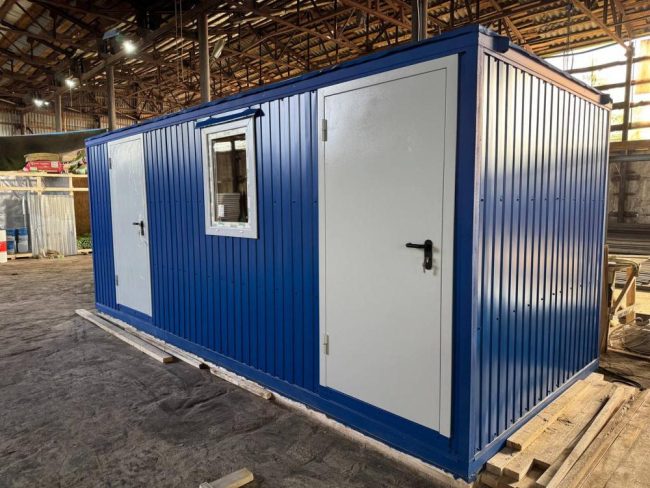
- Summary Table-Cheat Sheet: Modular Bathroom Maintenance Checklist by Frequency
- Daily hygiene: the basis for cleanliness and odorlessness
- Periodic maintenance: what, when and how to check?
- For autonomous systems (as needed, but monitoring should be done at least once every 2-3 days)
- Monthly technical checks
- Seasonal preparation: getting your bathroom ready for winter and summer
- Preparation for winter (carried out in October-November):
- Preservation for winter (if the bathroom will not be used):
- Spring launch (decommissioning):
- Regular maintenance is the key to long and trouble-free service
- Frequently asked questions and answers about modular bathroom maintenance
Summary Table-Cheat Sheet: Modular Bathroom Maintenance Checklist by Frequency
| Periodicity | Hygiene tasks (cleaning) | Maintenance tasks |
| Daily | Wet cleaning of floors, cleaning of toilets, urinals and sinks with disinfectants, removal of garbage. | Visual inspection of plumbing fixtures and pipes for leaks, checking the correct operation of the flush and faucets. |
| Weekly (or as needed) | Replenishment of supplies (toilet paper, liquid soap, paper towels), general disinfection of all surfaces. | For autonomous systems: Checking the water level in the tank and the level of wastewater in the storage tank. |
| Monthly | General cleaning: washing walls, doors, windows (if any), cleaning ventilation grilles. | Checking the operation of the pumping station (pressure gauge), boiler, and exhaust fans. |
| Seasonal (2 times a year) | — | Preparing for winter (fall): Checking the heating system, heating cable, insulation of inputs. Re-opening (spring): Inspection of all systems after winter before starting. |
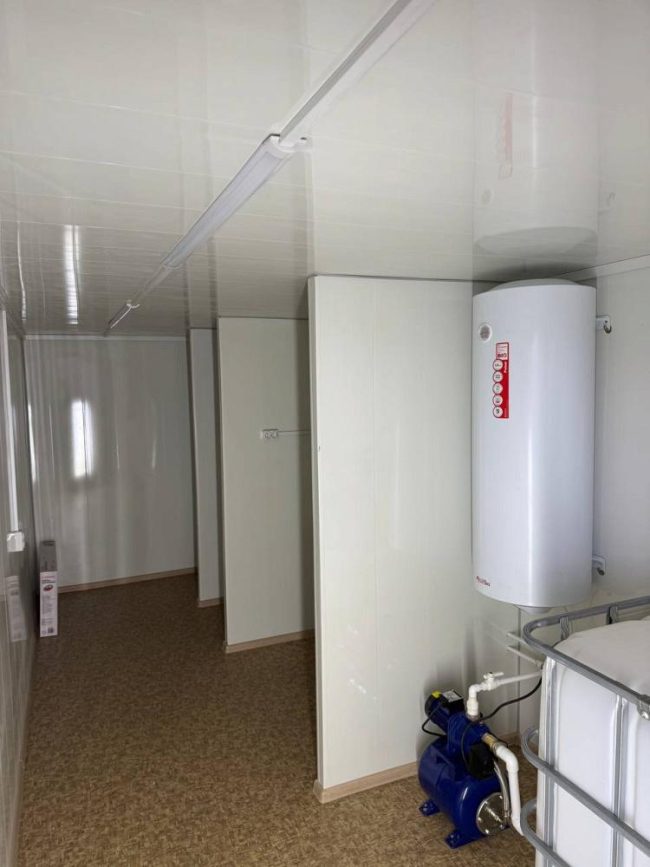
Daily hygiene: the basis for cleanliness and odorlessness
These simple but essential steps should be performed daily by a designated employee (cleaner or maintenance worker). This ensures the absence of unpleasant odors, compliance with sanitary standards, and the prevention of the spread of bacteria.
- Wet cleaning of the floor: Using detergents and disinfectants approved for sanitary facilities.
- Cleaning and disinfection of plumbing: Thorough cleaning of toilets, urinals and sinks with special cleaning agents.
- Garbage removal: Empty waste bins regularly to prevent waste and odor accumulation.
- Checking and replenishing consumables: Monitoring and timely replenishment of toilet paper, paper towels and liquid soap dispensers.
- Visual inspection for leaks: A quick inspection of all pipe connections, faucets, and cisterns for drips and leaks. The sooner a leak is detected, the cheaper it is to fix.
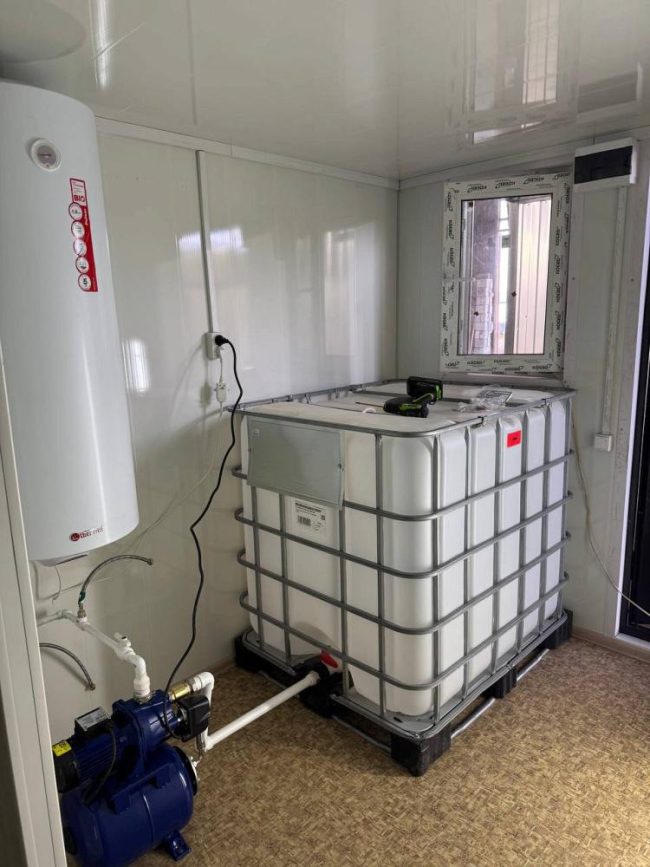
Periodic maintenance: what, when and how to check?
These tasks can be performed less frequently, but they are critical to the smooth and long-term operation of all engineering equipment in the module.
For autonomous systems (as needed, but monitoring should be done at least once every 2-3 days)
- Clean water level control: Don't allow the tank to drain completely, as running the pump dry will inevitably lead to overheating and failure. Arrange for a timely water supply or install a water level sensor with an alarm.
- Wastewater level control: Regularly check the level of your septic tank to ensure prompt service. Overflowing septic tanks can cause serious sanitary problems and pollution.
Monthly technical checks
- Pumping station: Turn the tap on and off several times to check how the station responds to the pressure drop—it should turn on and off automatically. Check the system pressure using the pressure gauge (usually it should be between 1.5 and 3 atmospheres).
- Boiler (water heater): Make sure it consistently heats the water to the set temperature. Check that water isn't constantly dripping from the safety valve (a small amount of dripping during heating is normal).
- Exhaust fans: Turn them on and check for draft (you can hold a thin sheet of paper to the grille). Clean the blades and grilles of dust and cobwebs.
- Faucets and cisterns: Check their operation, make sure there are no leaks, tighten the connections or adjust the fittings in the flush tanks if necessary.
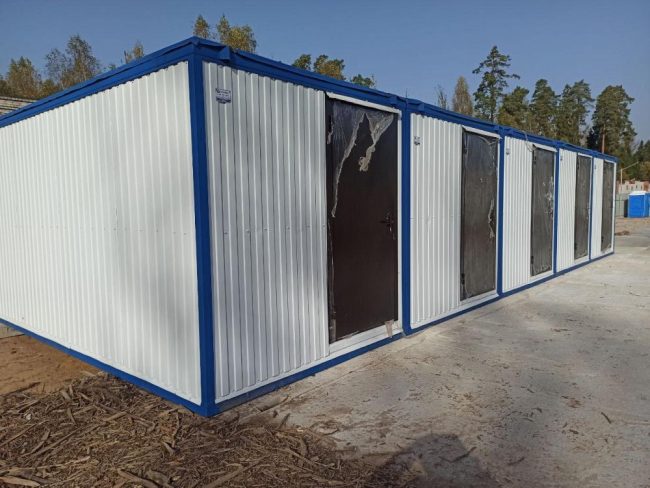
Seasonal preparation: getting your bathroom ready for winter and summer
These are the two most important technical inspections of the year, helping to avoid costly accidents related to temperature changes.
Preparation for winter (carried out in October-November):
- Checking the heating system: Turn on the electric convector, make sure that it is working properly and its thermostat correctly maintains the set temperature.
- Checking the heating cable: Turn on the external pipe heating system, after 10-15 minutes touch the cable - it should be warm.
- Insulation of inputs: Check the integrity of the insulation on the water inlet and sewer outlet pipes. Replace it if necessary.
- Checking the tightness of the module: Inspect the seals on the entrance door and windows to prevent drafts and excess heat loss.
Preservation for winter (if the bathroom will not be used):
If you plan to completely close the property for the winter, the bathroom needs to be properly sealed to avoid burst pipes in the spring.
- Drain the water completely! From all systems without exception: from clean water tanks, from the boiler (this is the most important point, it has a special drain valve), from toilet tanks, from the accumulator of the pumping station and from all pipes and faucets.
- Turn off the electricity: Completely de-energize the module by turning off the main circuit breaker.
Spring launch (decommissioning):
After winter, conduct a full inspection of all systems before starting up: check pipes and connections for frost cracks, carefully and slowly fill the system with water, bleeding air, and check the operation of the pump and boiler.
Regular maintenance is the key to long and trouble-free service
A modular bathroom is a reliable and durable structure, but like any vehicle or engineering structure, it requires attention and regular maintenance. Daily cleaning, timely maintenance of autonomous systems, and scheduled seasonal preparation are three simple steps that will ensure its trouble-free, hygienic, and safe operation for many years to come.
Creating a simple maintenance schedule and assigning a responsible person is a small organizational effort that pays off handsomely in the absence of accidents, complaints from staff, and orders from regulatory authorities.
Frequently asked questions and answers about modular bathroom maintenance
Question: How often should the septic tank in a stand-alone bathroom be pumped out?
Answer: This directly depends on the capacity of the tank and the intensity of use of the toilet. For example, a 3 m³ (3,000 liter) tank, used by a team of 15-20 people, typically lasts 1-2 weeks. It is recommended to call a sewage truck when the tank is 75-80% full, rather than waiting for it to overflow.
Question: What is the best way to clean the interior finish of a modular bathroom?
Answer: Any standard non-abrasive cleaning and disinfecting agents are suitable for interior finishing made from PVC panels, galvanized sheet, or HPL panels. It is strictly recommended to avoid using hard metal brushes and abrasive powders, as this can scratch the protective coating.
Question: What should you do if the electricity at your site is out for a long time in winter?
Answer: If a bathroom is left without heat for an extended period (more than 5-6 hours) during severe frost, there is a high risk of water freezing in the pipes and equipment. It is necessary to drain all water from the system (boiler, tanks, toilets) as soon as possible or provide temporary backup power from a generator.
Question: Does a storage water heater need servicing?
Answer: Yes, it is highly recommended. Every 1-2 years (depending on water hardness), maintenance should be performed: drain the water, clean the inside of the tank of scale and sediment, and check and, if necessary, replace the magnesium anode, which protects the tank from corrosion.
.