Panoramic glazing and classic windows are more than just a choice between large and small panes of glass. These two approaches to architecture and interior design address different challenges and have distinct impacts on the sense of space, energy efficiency, and comfort in the home. In 2026, this issue is especially relevant in Belarus: amid the rapid growth of private housing and the reimagining of urban apartments, not only functional but also aesthetic aspects of construction are becoming key.
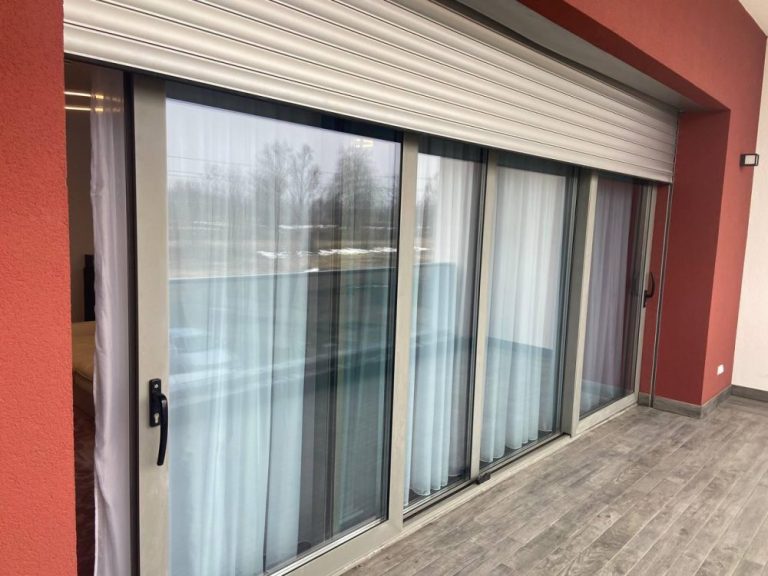
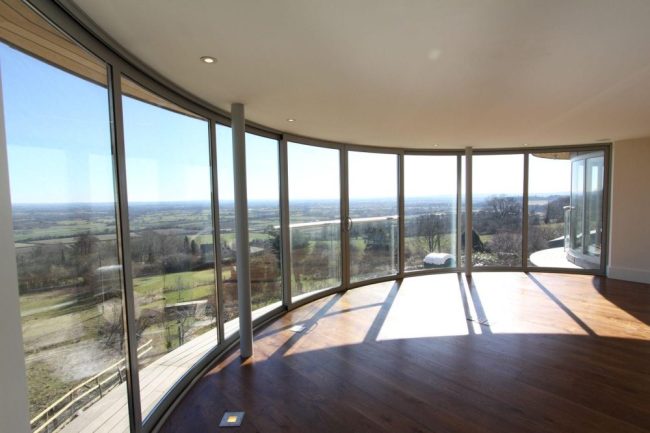
Panoramic glazing involves the use of large-format double-glazed windows with minimal wall coverage, often extending from floor to ceiling. Examples of panoramic design formats (floor-to-ceiling windows, portal solutions, and double-glazed window options) can be found at the link: https://fixit.washerhouse.com/en/panoramnye-okna/ These can be either solid glass panels or structures with sliding or hinged doors. The openings require a reinforced profile and thoughtful installation—usually with increased requirements for airtightness, wind resistance, and energy efficiency. These windows literally integrate the street into the interior: they open up the view, let in maximum light, and visually open up the space.
Standard windows are standard designs, typically located above ground level, within 1–2 m², and adapted for mass-produced construction. They are easy to maintain, simple to install, and suitable for most apartments and standard country house designs. They are designed to provide adequate light, ventilation, and thermal insulation with minimal structural impact.
In short: panoramic glazing is about space and visual expansion, while standard windows are about practicality and efficiency. Demand for the former is growing, especially in the country house, cottage, and townhouse segments. The latter remains dominant in multi-story buildings, although certain "panorama" elements have begun to be incorporated here as well—for example, glazed loggias or balcony units with glass doors.
- Light, heat, and sound insulation—how do both options perform in a residential interior?
- Security, Privacy, and Durability: Unexpected Differences
- Cost calculation: not only the price per square meter, but also the final estimate
- Where panoramic glazing is appropriate, and where is it better to choose regular windows (and why)
Light, heat, and sound insulation—how do both options perform in a residential interior?
When it comes to natural light, panoramic glazing is virtually unrivaled. The space is literally flooded with daylight, especially if the windows face south or southwest. This is a plus in a living room, study, or kitchen with a view. However, in the bedroom, this approach can create discomfort: waking up early to the first rays of sunlight or overheating in the summer are not always desirable. In this case, either thick curtains or smart glass with variable light transmission are needed.
Thermal insulation is key in Belarus, where winter temperatures range from -15°C to -25°C. Panoramic glass units must be at least double-glazed, with energy-saving coatings and an inert gas filling. Even with the most advanced solutions, their heat loss is lower than that of traditional windows. However, with proper slope insulation and the selection of a high-quality profile, the figure can reach 0.7–0.9 W/m² K—comparable to a high-quality mid-range PVC window.
Another argument against panoramic windows is acoustics. Due to the large glass pane, noise insulation is somewhat reduced, especially when installed in high-traffic areas. This issue is partially resolved by multifunctional glazing with increased sound insulation (up to Rw=45 dB). However, in specific cases, a good old "solid" window unit with a triple-chamber profile still wins out—especially in apartments overlooking a highway or railway line.
In winter, glass walls on the interior side can radiate more cold than standard PVC windows, especially if there's no heating underneath. This can be solved by installing an in-floor convector and properly managing the microclimate. In summer, the opposite problem arises: overheating can occur. Therefore, not only double-glazed windows with solar control coatings are important, but also external screens or curtains.
Security, Privacy, and Durability: Unexpected Differences
When choosing glazing for residential buildings, security is an equal consideration with heat and light transmission. Impact-resistant double-glazed windows, burglar-resistant hardware, and chemically tempered glass are all available in both standard and panoramic windows. However, due to their shape and dimensions, panoramic glazing is often perceived as a building's weak point. To prevent this from becoming a real problem, companies offer four levels of protection:
- Use of triplex (laminated glass with film) that can withstand strong impacts.
- Protected fittings with anti-burglar contour.
- Installation with mandatory steel reinforcement of the opening.
- Contact detectors as part of a security alarm system (popular in cottage villages).
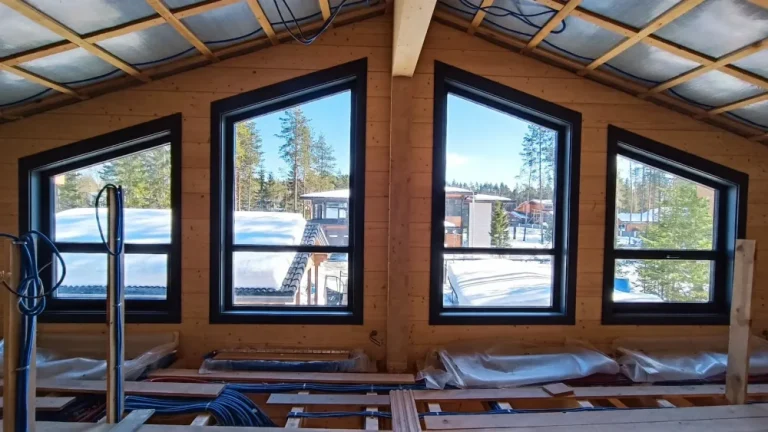
In terms of privacy, large windows pose a challenge. Even with tinting and systems like Smart Glass, visibility remains an issue. In country houses, located far from neighbors, this issue is minimized. In urban environments—especially on the ground floors—additional fittings such as curtains, roller blinds, and external screens are required. Finding attractive and functional options for large windows is a separate challenge, especially if the opening has a non-standard configuration.
Maintenance is an important issue. Cleaning a 2.5 x 3 m double-glazed unit on both sides requires not only skill but also specialized tools. Moreover, scratches, rain residue, and dust marks from the sun are much more visible than on traditional windows. In city apartments with panoramic views and no access to the outside, maintenance becomes a difficult task. Self-cleaning double-glazed units are a solution, but they significantly increase the cost and are no substitute for a proper cleaning.
The durability of both solutions is similar, provided they are properly installed and maintained. The main risks are perimeter freezing, seal failure, and condensation. Large glazing areas are more difficult to protect from temperature changes and humidity fluctuations. This is especially true if the house has a variable heating system and the outside temperature consistently drops below -20°C in winter. A classic window wins here: it has less thermal "play," making it easier to identify the cause of the problem.
And finally, children and pets. If you live with a cat, dog, or preschooler, the presence of a massive floor-to-ceiling glass panel requires additional barriers, especially on the second floor and above. Panoramic doors must be equipped with a door closer and a locking device. And the glass must be either tempered or coated with a film to prevent shattering if damaged.
Cost calculation: not only the price per square meter, but also the final estimate
If you focus solely on the price per square meter of glass, you might think that panoramic glazing is simply expensive. However, the actual estimate is based not on the square footage, but on a combination of factors. For example, the cost of installing one square meter of panoramic glass can start at 400-500 rubles, while a standard PVC window costs approximately 150-250 rubles. However, it's important to understand that the calculation isn't just based on square footage, but also on installation requirements, profiles, reinforcement, sealing, and expansion joints.
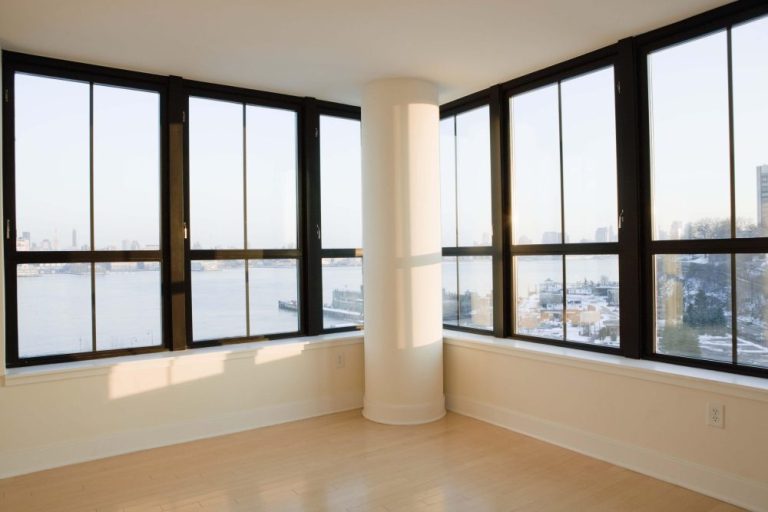
The total cost of the panoramic system also includes:
- Reinforced profile made of aluminum, steel or fiber composite - requiring special installation
- Multi-layer or multifunctional glass units, especially with sun protection or additional sound insulation
- Thermal insulation of the area adjacent to the floor and ceiling (mineral wool, penoplex, insulating tapes)
- Drainage system for condensation removal at the lower edge of the glazing
Return on investment can translate not only into comfortable use but also into increased market value. According to reports from Belarusian real estate agencies, apartments with panoramic windows of similar size and location sell for an average of 8-15% more. For country houses with panoramic living rooms, this figure is higher—up to 25% if properly oriented to the site and designed with the view in mind.
In terms of maintenance, standard windows are easier to repair: replacing a sash, seal, or hinge is simpler and less expensive. Panoramic systems, especially those with sliding mechanisms, require periodic maintenance, lubrication of the guide areas, and proper alignment of the openings. If the profile becomes warped, repairs can be costly. Large panes of glass are more easily damaged if installation is improper, and partial replacement of a single pane is virtually impossible: the entire unit must be replaced.
Budget optimization is possible in both cases. For classic windows, choose a mid-range profile (for example, a five-chamber profile instead of a seven-chamber profile), avoid unnecessary options like hidden hinges, and don't skimp on sealant. For panoramic windows, reduce the glazing area to the functionally essential area (for example, glaze only the southwest wall), opt for heat-insulating glass instead of smart glass, and consider a partially solid element without an opening sash.
Where panoramic glazing is appropriate, and where is it better to choose regular windows (and why)
Considering glazing without regard to the type of housing is almost always a mistake. Panoramic glazing and standard windows are not "just glass," but rather part of the architectural concept, thermal balance, and even the daily behavior of the residents. Below are scenarios in which one type "works" better than the other.
Apartment in a panel or brick high-rise building:
- South-facing, upper floors: it's appropriate to create panoramic bay windows or convert a balcony into a glazed area with a sliding door—but only with proper insulation and additional protection from sunlight.
- For low-rise buildings or windows facing a street with heavy pedestrian traffic, classic PVC windows with internal curtains or roller shutters are preferable for privacy and security reasons.
- Bedroom or children's room: a panoramic view is acceptable, but it should be equipped with insulated glass, an internal curtain system, and a darkening option—otherwise, the quality of sleep will suffer.
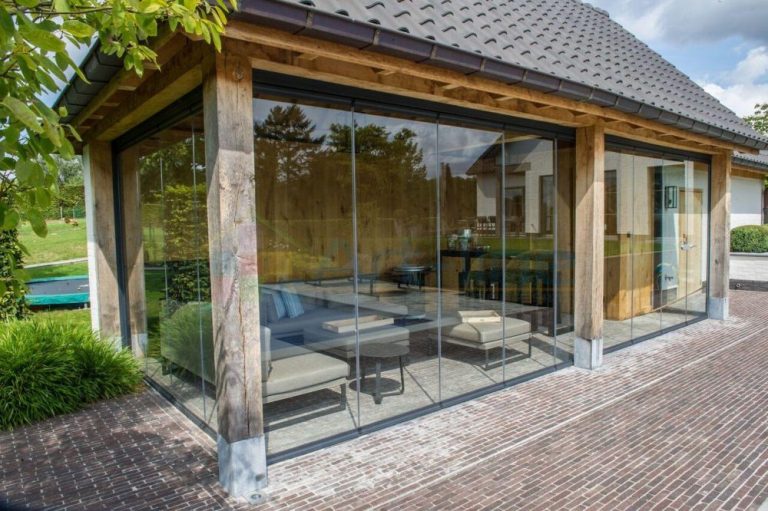
Country house, cottage:
- A living room with access to a terrace or garden is a perfectly logical place for panoramic glazing, especially if the plot faces south or west and there is no visual contact with neighbors.
- Northern façade: the use of a panoramic view is only justified if there is an architectural or aesthetic need—otherwise, heat loss will significantly outweigh the benefit.
- Attics: If the roof allows, large sloping windows can be integrated into the structure, but it is necessary to calculate the drainage of rainwater and snow load.
Townhouses: Panoramic doors are often used on the ground floor here, providing access to the backyard. This is convenient and visually expands the space of the kitchen-living room. However, on all other levels, combination windows are preferable, with the lower section fixed and the upper section opening.
Particular attention should be paid to orientation to the cardinal points:
- East and south - maximum light in the morning and during the day, ideal for studios, kitchens, and workshops.
- West - warm evening light, but requires protection from overheating during the summer season.
- North - there is little light, the panorama is often useless, the risk of heat loss increases.
Panoramic glass psychologically opens up the space. High ceilings, views of the forest or garden, and minimal vertical partitions all create a feeling of openness. In apartments, on the contrary, without proper glazing, the room can feel cramped, especially on the dark side. Therefore, many new residential complexes in Minsk use wide window openings up to 1.8 meters high—a compromise between tradition and contemporary architecture.
Users often ask questions:
- Is it possible to install panoramic glazing in a Khrushchev-era building? — Technically, it's possible, but there are limitations on the façade's load-bearing capacity and project approval is required.
- Should I insulate the floor under the panoramic window onto the terrace? — Absolutely, otherwise the area will become a cold bridge.
- Can a panoramic window be opened in winter? — If it functions as a door, yes, but an effective airlock or thermal curtain is required.
The company's experience shows that 70% of requests for panoramic glazing come from private homes. Clients who have installed it note an improved atmosphere in their home, a visual expansion of space, and a desire to spend more time in the living room. However, almost half of them upgrade their interiors a year later, installing shading systems, adjusting ventilation, and purchasing automated climate control. Panoramic glazing requires preparation—both technical and behavioral.
If you need to quickly evaluate glazing options for your home/apartment and understand which solutions will provide the right balance of light, warmth, and safety, you can start with the general information on the website: https://fixit.washerhouse.com/en/ .