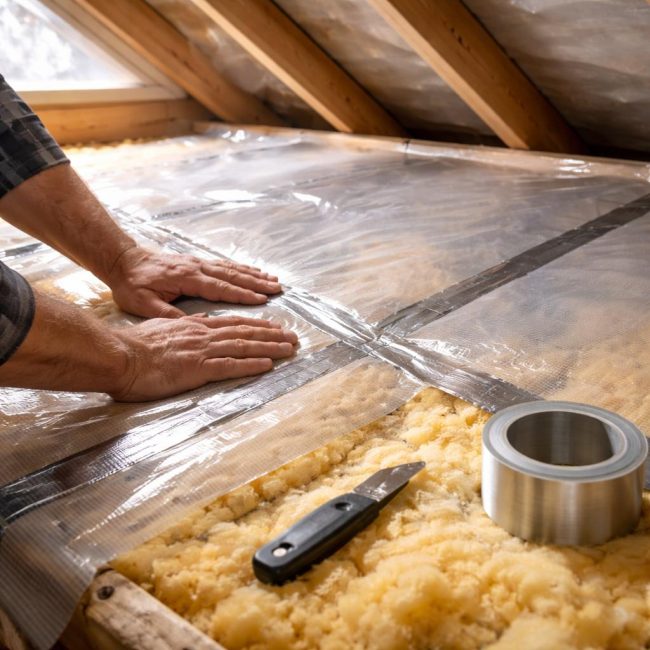
A vapor barrier is a key element in construction and renovation, helping to avoid numerous problems related to moisture and condensation in buildings. In modern construction, this material plays a vital role in maintaining a comfortable indoor climate and ensuring the longevity of structures. However, despite the widespread use of vapor barriers, not everyone understands how this layer works and why it should not be ignored.
Why is a vapor barrier needed?
A vapor barrier is essential to prevent water vapor from penetrating into structures such as walls, roofs, or floors, where it can accumulate and lead to mold, rot, and other damage. This layer is especially important in areas with high humidity, such as kitchens, bathrooms, or basements.
Water vapor can penetrate most building materials, including concrete and wood. When water vapor encounters cold surfaces, such as exterior walls or roofs, it condenses and forms water droplets, which can lead to the gradual deterioration of the materials. Vapor barriers help prevent these problems by blocking the penetration of water vapor into the structural layers.
How does a vapor barrier work?
Vapor barriers are made from special membranes that allow air to pass through but prevent water vapor from passing through. These membranes can be made from various materials, such as polyethylene, polypropylene, or special membranes with aluminum foil added.
The main goal of a vapor barrier is to prevent water vapor from entering the structure while still allowing natural air circulation within the room. This helps maintain a balance between indoor and outdoor humidity. For example, in winter, a vapor barrier helps prevent moisture accumulation within the walls, while in summer, it prevents water vapor from humid air from entering the home.
Application of vapor barrier in various conditions
Each type of room requires its own approach to vapor barrier application. In residential spaces, where temperature and humidity fluctuate, it's important to choose the right material and installation method. In bathrooms and kitchens, where humidity levels reach their highest, a vapor barrier helps prevent damage to finishing materials and protect structures from mold growth.
For homes with attics or lofts, the use of a vapor barrier plays a crucial role in preventing condensation, which can lead to corrosion of metal components or rotting of wooden structures. In such cases, a vapor barrier also prevents excess moisture from penetrating the insulation, which significantly reduces its thermal insulation properties.
Limitations and nuances during installation
While a vapor barrier is essential, it must be installed correctly, otherwise its effectiveness is significantly reduced. One of the most common mistakes is improper placement of the vapor barrier layer. The vapor barrier layer should be positioned on the side of the room where the temperature is higher. If this is not the case and the layer is installed on the outside, it can impede normal air circulation, leading to increased humidity and condensation inside the structure.
Another important consideration is material selection. Not all vapor barriers are equally effective in different conditions. For example, structures with high humidity require a denser material than typical walls in residential spaces.
Common misconceptions
Many people believe that a vapor barrier is only needed to prevent condensation, but its functions are much broader. It also protects against overheating and overcooling of rooms and helps improve the building's energy efficiency by maintaining optimal humidity and temperature inside. An inadequate or poor-quality vapor barrier can lead not only to structural damage but also to a deterioration in comfortable conditions in the home.
Furthermore, some believe that a vapor barrier is not such an important element that it can be "sacrificed" for the sake of savings. However, ignoring this layer can result in costly repairs in the future, as well as deteriorating health for residents due to constant moisture and fungal diseases.
Expanding completion
Vapor barriers play an indispensable role in ensuring the durability of building structures and indoor comfort. This element requires careful consideration during design and renovation to avoid numerous moisture-related problems. Despite its widespread use, vapor barriers are often underestimated, and their proper application can significantly improve a building's performance and protect it from deterioration.
It is important to remember that every home is unique, and the choice of vapor barrier material, as well as its installation, must take into account the climate, design, and purpose of the room.