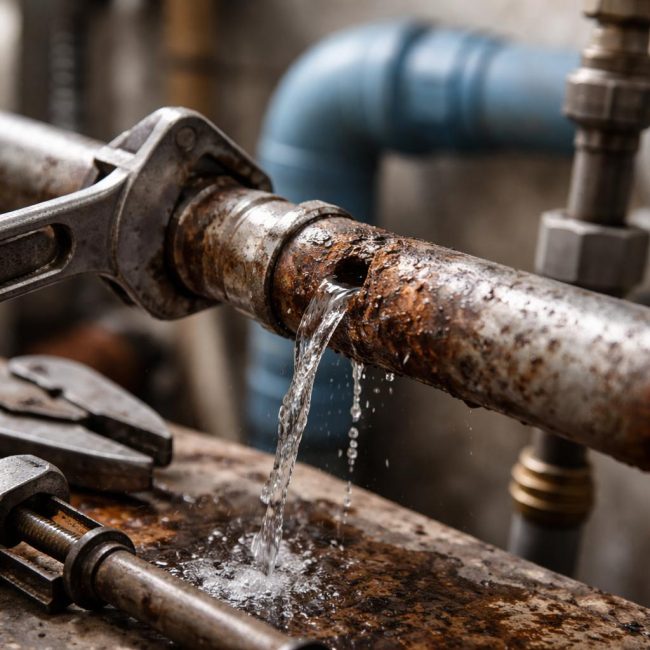
Pipe perforation is a process in which holes or pores appear on the surface of a pipe. This can occur for a variety of reasons and in various contexts, from construction and engineering tasks to everyday operational issues. For many who work with pipes in various systems (from plumbing and heating to sewerage), it's important to understand how to avoid perforation, its consequences, and repair methods.
Causes of pipe perforation
Pipe perforation can occur due to external factors such as mechanical damage, corrosion, improper operation, or non-compliance with installation standards. For example, in plumbing systems, metal corrosion can lead to the formation of holes over time, making the system vulnerable to leaks and impairing its performance. External mechanical damage or improper pressure exposure can also damage the pipe structure.
For plastic pipes, the main causes of damage are exposure to ultraviolet rays, aggressive chemicals, or extreme temperatures. For copper or steel pipes, the main threat remains corrosion, especially if the system is improperly grounded or the water quality is poor.
How to avoid pipe perforation
To prevent perforation, it is important to follow several rules:
- Selection of quality materialsWhen installing piping systems, choose materials that are resistant to external influences. For example, galvanized or corrosion-resistant plastic pipes will last longer if they are not exposed to harsh conditions.
- Correct installation and operationAvoid sharp bends in pipes to prevent mechanical damage. It's also important to adhere to temperature and chemical resistance requirements for the materials. If pipes are used in areas with high humidity or where they may be exposed to chemicals, pipes with a protective sheath should be used.
- Regular maintenanceSystems that use pipes should be periodically inspected for corrosion and other defects. Regular inspections and replacement of worn parts will help prevent more serious problems and perforations.
- Protection from external influencesPiping systems, especially outdoor ones, must be protected from mechanical damage (for example, when pipes are laid underground or protected from vehicle impacts). It is also important to protect pipes from ultraviolet rays, if possible, to prevent material degradation.
What to do if a pipe is perforated
If perforation does occur, measures must be taken to repair it. In the case of metal pipes, corrosion may be the primary cause of damage. In this case, it is recommended to clean the damaged area and coat it with an anti-corrosion compound. For plastic pipes, soldering or installing additional fittings to seal the damage is possible.
If perforation is the result of mechanical damage, the installation of repair sleeves or polymer inserts may be required to restore the system's integrity. In some cases, perforation may require complete replacement of the pipe section.
Conclusion
Pipe perforation is a serious problem that can lead to leaks and reduced system efficiency. However, following proper guidelines for pipe selection, installation, and operation can significantly reduce the risk of damage. It's important to remember that regular maintenance and monitoring of pipeline systems can prevent serious failures and extend their service life.