Site planning is the process of creating a functional and aesthetically pleasing space on a plot of land. It's not just a stage of house construction but also an important part of landscape design, requiring consideration of numerous factors. The way the space is organized determines not only the ease of living but also the site's operational characteristics, such as lighting, ventilation, and the ability to comfortably use all its areas. Let's explore how to approach site planning correctly to maximize the benefits and comfort of your property.
What is a site plan?
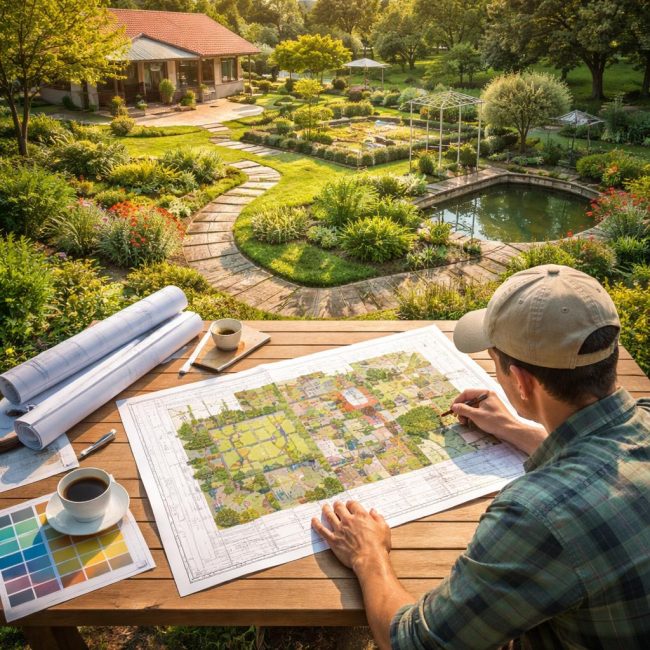
Site planning is the design phase during which the location of all important features on the land is determined: from residential and outbuildings to paths, green spaces, and recreational areas. The main goal of site planning is to create a space that is not only functional but also comfortable to live in.
Land planning requires a comprehensive approach, taking into account the local features, climate, lifestyle of the owners, and potential future needs. For example, if you're planning a baby, it's worth considering the location of a playground or garden in advance. If the land is used for farming, it may be necessary to designate areas for a garden and vegetable patch.
How does this work in practice?
In practice, site planning begins with a detailed site analysis. First and foremost, it's important to consider:
- Size and shape of the plotThis determines which areas will be used for construction and which for landscaping.
- Climate conditionsSunny and shaded areas must be properly distributed to ensure that plants and seating areas receive the required amount of sunlight.
- Relief and drainageLow-lying areas require special attention to the drainage system to avoid flooding during the rainy season.
- Wind direction and location on the groundThese factors influence the placement of buildings, trees, and other objects to provide protection from strong winds.
Once the analysis is completed, the zoning phase begins. Zoning a site involves dividing the territory into functional zones. Key zones may include:
- Residential area— a place for a house, possibly with a terrace or veranda.
- Economic zone— for a garage, workshop, shed.
- Garden area— for flowers, shrubs and trees.
- Garden area— for growing vegetables and fruits.
- Recreational area— a place for relaxation with gazebos, barbecues and other elements.
Each zone should be located so as not to create inconvenience and fit harmoniously into the surrounding nature.
Limitations and nuances
When planning a site, it is worth considering several important restrictions:
- Land use and development regulationsSome locations have restrictions on building height, their location on the site, and minimum distance requirements between buildings.
- BudgetThe site layout should be tailored to the budget, which may include construction costs, landscaping, and equipment.
- Future changesSome objects, such as trees and shrubs, may change in size over the years. Consider in advance how this will affect the placement of other objects.
Common misconceptions
When planning a site, several common mistakes often occur:
- Oversaturation of the territory with objectsThe desire to fit as many buildings and landscape elements as possible onto a property can lead to overcrowding. It's important to leave room for relaxation and free movement.
- Ignoring wind and sun directionsIncorrect placement of a house or other objects can make the site inconvenient for living.
- Unfulfilled expectations from plantsSome plants require more attention and care than expected. For example, exotic plants may not thrive in certain climates.
- Lack of perspectiveThe plan should be long-term. It's important to remember that the site will change over time.
Conclusion
Land planning isn't just a matter of organizing space for construction; it's also about creating a harmonious, functional, and comfortable living space. It's important to consider many factors: from the size of the site and its topography to the climate and the needs of the owners. It's also important to avoid common mistakes, such as overcrowding or improper placement of objects.
When planning a property, it's important to think not only about the present, but also about the future, striving to create a space that will last for years and meet all the family's needs.