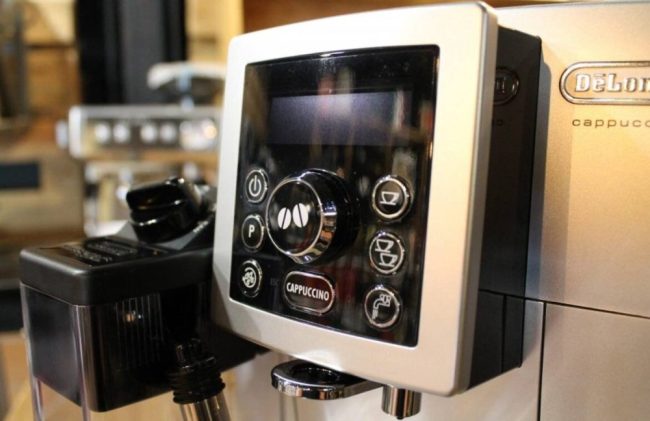
The morning begins with the quiet hum of a coffee machine. The aroma of fresh beans fills the kitchen, promising invigoration and warmth. A DeLonghi coffee machine brews espresso with a rich crema that makes every sip special. But when the machine is acting up, this ritual loses its charm. DeLonghi coffee machine repair restores the richness and consistency of the drink.
A coffee machine gives clues about problems through its behavior during operation. Pressure drops, and the flow weakens. Temperature deviates from the norm, and the flavor fades. Technicians detect these signs at an early stage.
- The coffee flows in spurts and stops mid-pour.
- The drink comes out liquid, without the usual density.
- The taste weakens, leaving only a watery tint.
- The machine takes a long time to warm up and the espresso is served warm.
- The tray fills with water, and drops appear on the body or under the machine.
- The foam in the cappuccino disappears, the milk does not froth into a fluffy foam.
- The display flashes error codes.
These signs require attention. Technicians disassemble the components and clean them of deposits. After this maintenance, the machine once again produces a drink with rich chocolate notes. This allows you to enjoy coffee again, knowing that the machine is in good working order.
What usually breaks and how to fix it
In DeLonghi coffee machines, certain parts are subject to greater strain than others, which leads to wear and tear over time. Coffee oils contaminate the brewing unit, making it difficult to operate, and limescale deposits on the heating element slow down the water heating process, resulting in a sour taste in the coffee.
Over time, the pump can weaken, leading to a drop in pressure and the disappearance of foam, while worn burrs can cause uneven grinding. The milk channel often thickens, preventing foam from whipping, and electronics can malfunction due to power surges. Experienced technicians can accurately diagnose these vulnerable components and restore their functionality.
At the service center, a specialist completely disassembles the machine, performing a comprehensive cleaning of the hydraulic system with specialized tools and certified products, and replaces worn O-rings. After a test run, the machine brews a latte with creamy foam, and the aroma unfolds fully, just like in a coffee shop. The very first cup of espresso after professional DeLonghi coffee machine repair confirms: perfect taste and thick foam are back.
Professional Diagnostics: Handyman vs. Home Repair
Homemade attempts often leave marks on the body. Pressure is measured visually, and temperature deviates from the norm. Technicians use pressure gauges and thermometers to obtain precise readings. They check each channel for leaks and cleanliness.
- The pressure is set according to factory standards.
- The temperature is recorded by sensors for stability.
- Diagnostics reveals hidden leaks and blockages.
- Disassembly is carried out without scratches on the body panels.
- Original seals are installed.
- They test the drink for taste and serving size.
- Adjust the grind to the desired strength and steeping time.
This check extends the life of the machine. The coffee comes out hot, with a full body and a stable crema. You can sip an Americano without rushing, enjoying the balance. The machine operates quietly, without surprises.
How to extend the life of a home after renovation
After repair, your DeLonghi coffee machine will sparkle with cleanliness. Regular maintenance keeps it in tip-top shape. Rinse the components with water and change the filters regularly. This preserves the fresh, rich flavor of your espresso.
- The brewing unit is washed weekly and lubricated with food-grade silicone grease.
- Decalcification (scale removal) is carried out based on the indicator on the panel and the water hardness level.
- The cappuccino maker is rinsed immediately after using milk.
- Filters are updated approximately every 2-3 months.
- Use bottled water without additives.
- Connect through a voltage stabilizer.
These steps take minutes, but the aroma pays off. For example, a clean duct enhances the caramel notes in a cappuccino. The machine brews smoothly, day after day. Your morning ritual remains consistent and enjoyable.