Today, outdoor space is more than just a private area; it's a fully-fledged zone for relaxation, socializing, and even work. To make it truly functional and cozy, properly selected outdoor furniture is essential. It should not only be beautiful but also weather-resistant, comfortable, and durable. Choosing the right pieces can completely transform your yard, terrace, balcony, or gazebo, turning them into a favorite place to spend time.
When choosing outdoor furniture, it's important to consider several key factors, including materials, design, and functionality. The market offers a wide range of options, from simple plastic chairs to complex modular systems. Each material has its own advantages and disadvantages, which directly impact its lifespan and maintenance requirements. The right choice will determine how long and how comfortably you can enjoy your furniture.
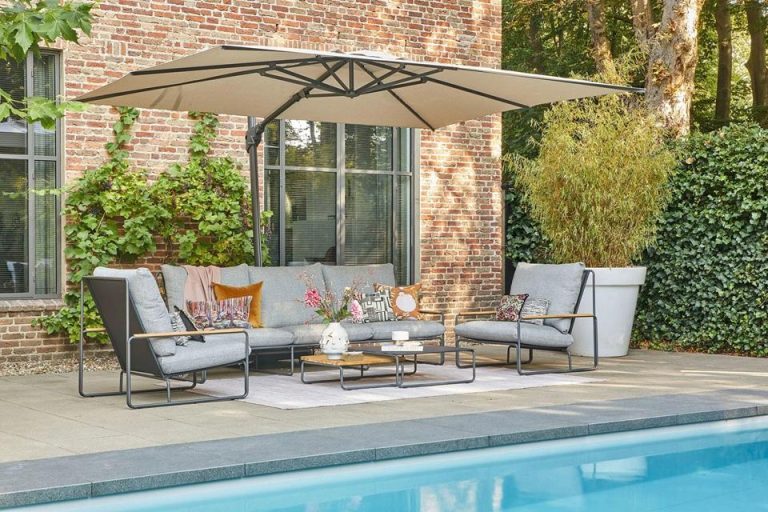
What materials are suitable for outdoor furniture?
When creating outdoor furniture, manufacturers use materials that successfully withstand sun, moisture, and temperature fluctuations. The most popular ones are:
- Natural wood (teak, acacia, larch). A warm and eco-friendly material that acquires a refined appearance over time. Teak is particularly prized for its high moisture and rot resistance.
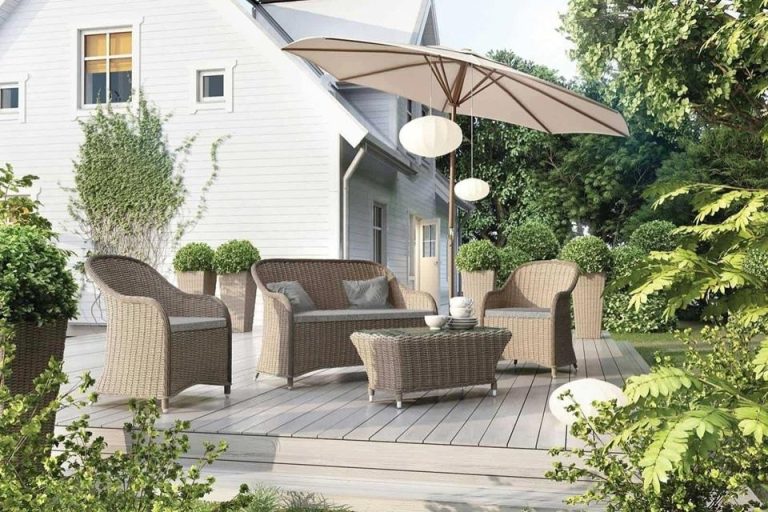
- Artificial rattan. A synthetic polymer that mimics natural wicker. It's extremely lightweight, UV-resistant, and moisture-resistant. Technorattan furniture is durable and easy to care for.
- Metal (aluminum, stainless steel). Aluminum is lightweight and corrosion-resistant, often used for frames. Stainless steel is durable and has a very modern look, but is heavier.
- Plastic. The most budget-friendly option. Modern types of plastic can be quite durable and fade-resistant, but they still lack the longevity of other materials.
- Upholstery fabrics. Special fabrics (such as acrylic) are used for outdoor pillows and mattresses. They don't fade in the sun, dry quickly, and are mold-resistant.
Types of street furniture and its functionality
Diversity outdoor furniture Allows you to furnish any recreation area, whether a large garden or a small balcony. The main categories include:
- Lunch groups. Tables and chairs for outdoor breakfasts, lunches, and dinners. Available in a variety of materials and styles.
- Lounge areas. Soft sofas, armchairs, and chaise lounges are designed for relaxation and leisurely lounging. They often feature a modular design, allowing for various combinations.
- Coffee tables. Small, compact tables that fit comfortably next to lounge chairs or armchairs. Ideal for morning coffee or evening cocktails.
- Sun loungers and deck chairs. Classic poolside accessories. They can be adjustable, allowing you to find a comfortable position.
- Umbrellas and awnings. Essential elements that provide protection from the sun and light rain.
Garden furniture occupies a special place in the world of outdoor furniture. This includes not only traditional benches and gazebos, but also a variety of pieces specially designed to blend harmoniously into the natural landscape. Garden furniture is most often made of wood or forged metal, emphasizing its connection to nature. It is designed to create cozy nooks for reading, tea drinking, or secluded relaxation, becoming an integral part of the garden design.
Proper care and storage of furniture
To ensure your outdoor furniture lasts as long as possible, follow simple care guidelines. Regularly clean it of dust and dirt. For wooden furniture, use special impregnations that protect against moisture and pests. During cold weather, it's best to store the furniture in a dry, ventilated area or use special protective covers to protect it from snow and ice. These simple measures will help preserve its beauty and functionality for many years to come.