“Hot smoking is a technique that transforms raw food into the art of taste” – and this is not a metaphor, but a reflection of a technology confirmed by practice and science.
Hot smoking is one of the most popular methods of cooking and flavoring foods. Unlike cold smoking, cooking occurs simultaneously with smoking: the product is exposed to smoke and heat, making it safe to eat immediately after smoking.
- What is hot smoking? The essence and simple definitions
- The principle of hot smoking
- Why is hot smoking different from cold smoking?
- Preparation for hot smoking
- Hot smoked products - what's best?
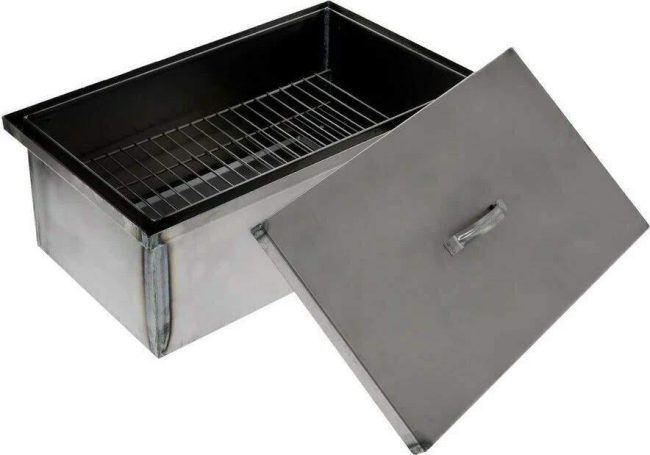
- For hot smoking, the following equipment and materials are used:
- The hot smoking process - step by step
- Hot smoking diagram - temperatures and modes
- Hot smoking rules
- Hot Smoking Mistakes – What to Watch Out For
- Secrets of hot smoking
- GOST hot smoking quality standards
- Features of hot smoking - nuances of taste
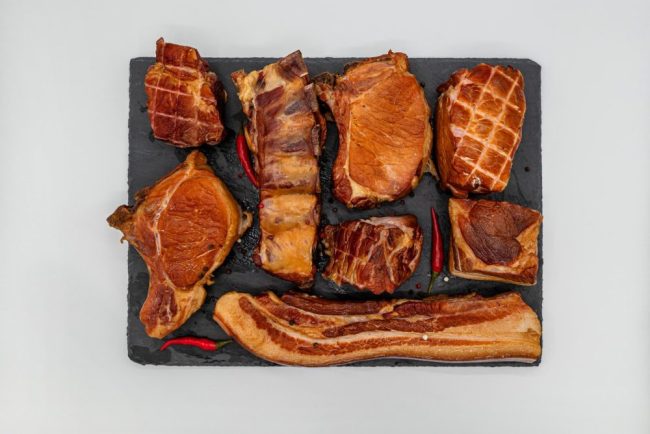
- Hot smoked products - what you get
What is hot smoking? The essence and simple definitions
Hot smoking is the process of heating food with smoke at a temperature high enough to simultaneously cook and flavor the product. It combines both cooking and smoking. Inside the chamber, the food is infused with the aromas of smoke, proteins change their structure, fats melt, and the flavor becomes rich. It's not just a method of preserving food but also a complete cooking method.
The principle of hot smoking
How does this work?
- Smoke – adds aroma and creates a protective “screen” on the surface of the product.
- Heat - Cooks food to safe internal temperatures.
- Time determines the depth of smoke penetration and the degree of readiness.
- Chips - the wood used for smoke generation determines the taste.
The combination of these aspects is the principle of hot smoking. It's important that the product reaches a safe internal temperature and remains juicy on the inside but flavorful on the outside.
Why is hot smoking different from cold smoking?
If cold smoking is smoke without cooking, then hot smoking is smoke and cooking simultaneously. Temperature is the key factor. With cold smoking, the temperature is usually below 40°C, while with hot smoking, it can range from 50 to 120°C and higher, depending on the technology and the product.
Preparation for hot smoking
Preparation is the foundation of a quality result. Here are the key steps:
- Selection of raw materials - fresh products without spoilage.
- Pickling or marinating - is done in advance for better taste and texture.
- Drying — gives time for a light film to form on the surface, which better absorbs smoke.
- Equipment setup — checking for leaks, temperature, and smoke supply.
Literate preparation for hot smoking largely determines whether you get a juicy and flavorful dish.
Hot smoked products - what's best?
Hot smoking is versatile, but different foods require different approaches. Typical foods include:
- meat (pork, beef, poultry);
- fish (trout, mackerel, salmon);
- sausages;
- salo;
- vegetables and even cheese.
Why is this method good? The product is safe to eat immediately after the process—the protein is denatured and ready to serve.
For hot smoking, the following equipment and materials are used:
To ensure the process is successful, it is important to select the right equipment:
• Smokehouse or heat chamber - sealed chamber with temperature control;
• Firewood/wood chips - choose fruit wood or alder for a soft, aromatic smoke;
• Thermometer — necessary to control the temperature inside the chamber and inside the product;
• Fuel - coals or gas for stable heating;
• Smoke generators and steam generators (optional) - for stable smoke supply and controlled humidity.
A specialized device helps to maintain rules of hot smoking and makes the result predictable and stable.
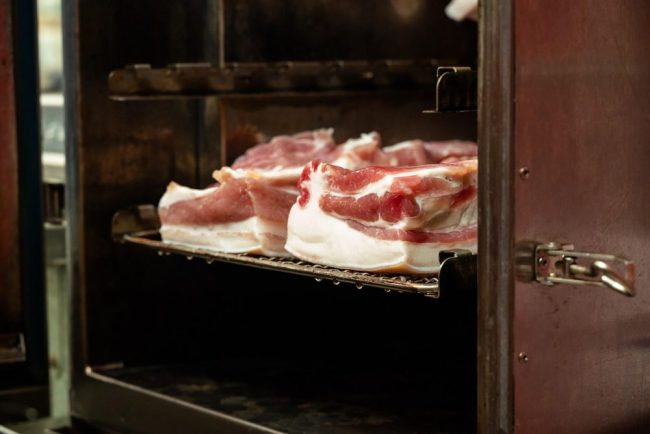
The hot smoking process - step by step
Let's consider the hot smoking procedure as a technological scheme:
- Preparation and salting.
- Drying to form a film.
- Preheating the smoker to the desired temperature.
- Smoke introduction and product aging.
- Control of internal temperatures.
- Cooling and resting the product before serving.
Every step is important, from preparation to cooling. Skipping even one means losing some of the flavor or texture.
Hot smoking diagram - temperatures and modes
Thermal conditions are one of the key factors for success.
Temperature guidelines:
- 50–60°C – light smoking and flavoring;
- 60–80°C — classic modes for fish and poultry;
- 80–110°C — meat and large pieces;
- up to 120°C - faster processes, but experience is required.
Hot smoking modes may vary depending on the product, but paying attention to temperature is a must.
| Product | Smoking temperature | Smoking time |
|---|---|---|
| Fish (medium, fillet) | 70–90°C | 1–3 hours |
| Meat (pork/beef) | 80–110°C | 2–4 hours |
| Poultry (chicken/duck) | 80–100°C | 1.5–3 hours |
| Sausages | 60–120°C | 2–4 hours |
| Seafood (mussels) | 80–100°C | 1–2 hours |
Hot smoking rules
To ensure the product is safe and tasty, follow these simple but important rules:
- control the temperature of the chamber and the core of the product;
- monitor the density and quality of smoke;
- do not allow open flames under the product;
- consider the size and type of product;
- Check the condition of the chips regularly.
These rules distinguish professional home smoking from random experiments.
Hot Smoking Mistakes – What to Watch Out For
Even experienced amateurs sometimes encounter difficulties. Here are the most common ones:
• too high temperature – the product dries out;
• poor smoke circulation – uneven taste;
• wrong choice of wood chips – bitterness or unpleasant smell;
• lack of control over internal temperature – risk of undercooking;
• violation of the smoking regime - the product loses its juiciness.
Understanding these mistakes helps avoid disappointment even in the early stages of mastering the technique.
Secrets of hot smoking
Hot smoking isn't just about temperature and time. Flavor is created by many factors: wood selection, wood chip quality, spice mix, marinade, drying, and smoke intensity. All these subtle details influence the flavor and appearance of the finished product. Below are key, tried-and-tested techniques.
Wood and chips
The choice of wood is the foundation of the flavor. Different woods impart distinct flavor notes. Conifers (spruce, pine, fir) should not be used for smoking due to their high resin content. They impair the flavor and release toxic compounds. Wood chips made from the following species are recommended:
- Alder - a soft, versatile scent, especially good for fish and poultry;
- Apple - a sweet, fruity smoke, ideal for pork, chicken, and cheese;
- cherry - light tartness, gives the meat a reddish tint;
- oak - deep, rich smoke, suitable for beef, lard, brisket;
- Maple and pear - provide a light sweetness and color, suitable for vegetables and delicate foods;
- Hornbeam - almost neutral, used as a base for herbal flavoring.
Wood chips can be dry or moistened. Dry wood produces a quick heat and clean smoke. Moist wood burns slowly, creating a denser, more aromatic smoke. To enhance the aroma, wood is soaked in cider, beer, or wine vinegar. Some artisans add coffee beans or dried herbs directly to the wood chips. Mixing wood species is an effective technique. For example, oak and apple wood produce a rich yet mellow flavor, while cherry and alder are ideal for fish. The right aroma is not a single flavor, but a composition.
Spices
Spices work differently in hot smoking than in frying or braising. They shouldn't overpower the smoke, but rather enhance it. Salt is the base. Without it, there's no flavor. Sugar (regular, brown, or molasses) is used for balance. It creates caramelization and a beautiful crust. The most commonly used spices are:
- black, white and allspice;
- garlic (dried, granulated or fresh);
- paprika (sweet, smoked, hot);
- mustard seeds or powder;
- coriander, cumin, dill, rosemary, thyme, bay leaf.
For meat, use a mixture of salt, sugar, black pepper, garlic, and paprika. For fish, use salt, sugar, white pepper, dill, and lemon zest. Poultry is seasoned with thyme, rosemary, garlic, and smoked paprika.
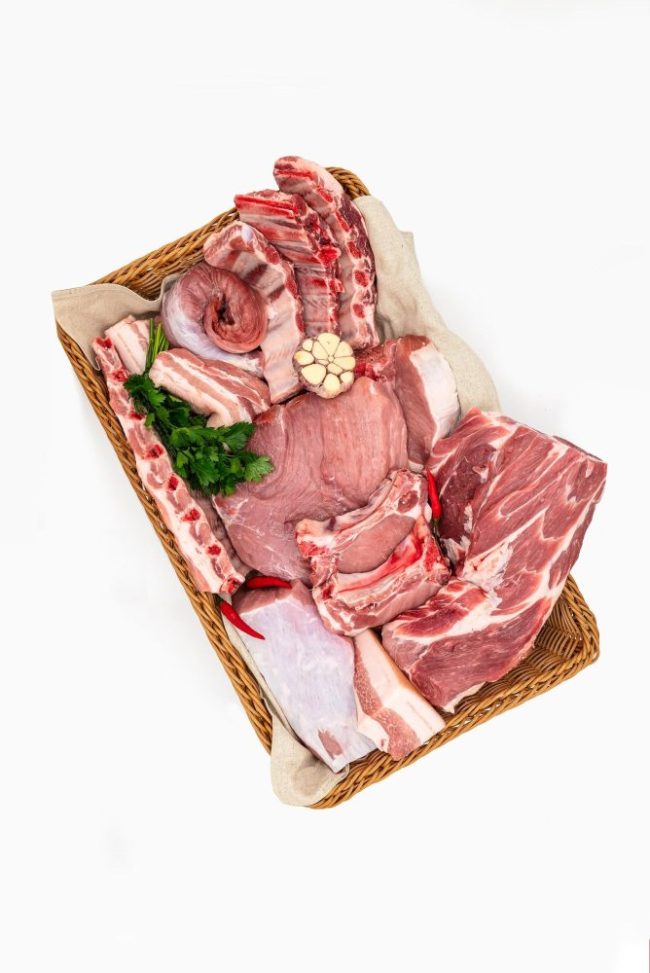
Spices can be used in dry brining or as part of a marinade. The former produces a dense crust, while the latter produces a softer texture and deeper flavor. Ideally, marinate for 8-12 hours, dry for 1-2 hours, then lightly dry brine before adding to the smoker. To enhance the flavor, spices are added to the wood chips: bay leaf, rosemary, dried orange peel, coriander seeds, even a little coffee. These additives should not be wet. They are not scorched, but smoldered, creating a spicy smoke. Some smoke the product after marinating using honey, whiskey, or wine. The alcohol evaporates quickly but leaves the flavor in the fibers. This works especially well with brisket and chicken. The color of the product depends largely on the composition of the smoke and the presence of sugar in the marinade. It is the sugar that caramelizes and produces a dark golden crust. To ensure a uniform color, it is important to dry the smoker properly and not overheat it.
GOST hot smoking quality standards
The food industry has safety and quality requirements reflected in standards, including sanitary regulations, temperature control, and product quality control procedures. Understanding these standards helps create a product that meets professional standards.
Features of hot smoking - nuances of taste
What makes hot smoking special?
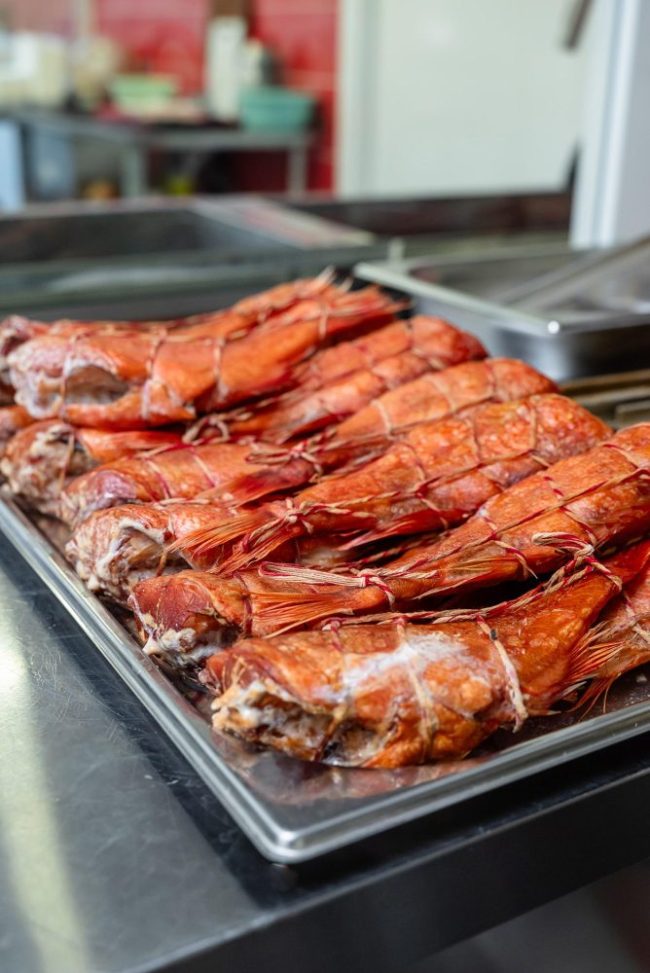
- Intense aroma - smoke penetrates deeper under the influence of heat;
- Rich color - golden brown, attractive;
- The juice is retained inside — when cooked correctly, the fat boiling does not displace moisture;
- Versatility - suitable for meat, fish, cheese and vegetables.
It is these features that distinguish hot smoking from other processing methods.
Hot smoked products - what you get
The result is more than just food. It's a product with:
- bright aroma;
- safe structure;
- juicy texture;
- rich taste;
- aesthetically pleasing appearance.
These products can be served as a regular dish, used in salads, sandwiches, or as a separate treat.
Conclusion
Hot smoking is a simple but careful process, where everything is crucial: from proper preparation to the choice of wood and spices. Understanding the essence of hot smoking, you can achieve restaurant-quality results even at home. If you want to not only cook for yourself but also turn it into a profitable business, pay attention to butcher shop franchiseWhere proven technologies, equipment, and recipes are recommended.