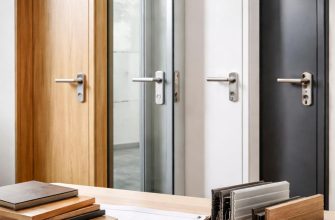
Modern housing should not only be beautiful and comfortable, but also meet basic comfort requirements—quiet and warm. It's no coincidence that many buyers today, when considering new buildings, pay attention not only to the layout or infrastructure, but also to the materials used in construction and the thermal and sound insulation solutions. These characteristics directly impact quality of life and operating costs.
- Why Isolation Plays a Key Role
- Main types of sound insulation
- Inter-apartment partitions
- Interfloor ceilings
- Window structures
- Types of thermal insulation
- 1. External walls
- 2. Roof and attic floors
- 3. Floors
- Norms and standards
- How to check the quality of insulation when buying a home
- Typical mistakes buyers make
- Prospects for the development of construction technologies
- Conclusion
Why Isolation Plays a Key Role
In construction, insulation is one of the most important parameters determining the durability and comfort of a building. If you skimp on materials or technologies, residents will face two common problems:
- Poor sound insulation. Extraneous noises from neighbors or the street create stress, reduce concentration, and impair sleep.
- Insufficient thermal insulation. Drafts, cold walls, and high heating costs are a reality for those who didn't pay attention to this aspect when choosing an apartment.
According to Russian research in the field of housing construction, up to 40% of complaints from residents in new buildings are related to sound insulation., and around 30% - with heat losses.
Main types of sound insulation
Inter-apartment partitions
Residents are most often disturbed by noise from neighbors. To minimize noise penetration, they use:
- Brickwork - a massive material that blocks sound vibrations well.
- Aerated concrete blocks — lightweight, but require additional cladding with plasterboard and an insulating layer.
- Sandwich structures — a combination of several layers with an air gap, which significantly increases the level of sound insulation.
Interfloor ceilings
To avoid hearing footsteps or music from above, use:
- reinforced concrete slabs with a thickness of 180 mm,
- additional "floating screed" with soundproofing mats,
- use of acoustic underlays under the floor covering.
Window structures
Modern plastic and aluminum windows with double- or triple-glazed units reduce street noise by 2-3 times. For buildings located near highways or railroad tracks, laminated (triplex) glass units are recommended.
Types of thermal insulation
1. External walls
In Russia, three options are widely used:
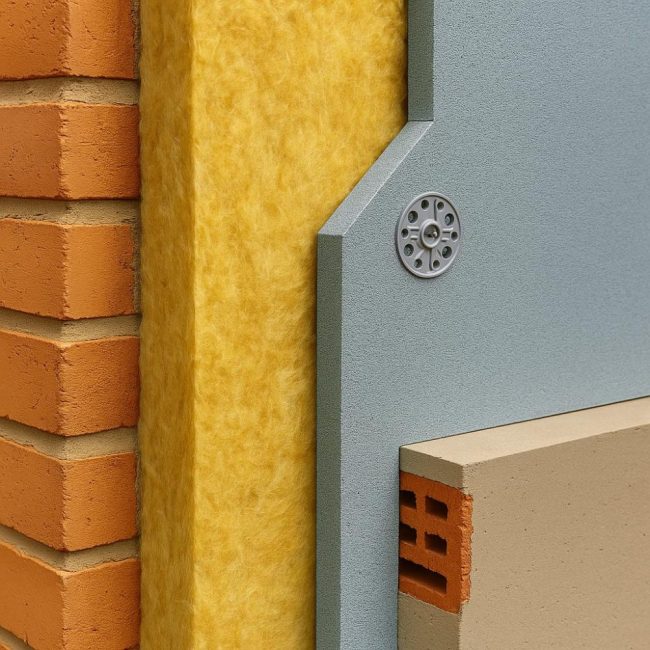
- Mineral wool - retains heat well, is fire resistant, but requires protection from moisture.
- Expanded polystyrene (EPS) - lightweight, cheap, moisture-resistant, but less environmentally friendly.
- Ventilated facade systems — multi-layer structures with an air gap that not only insulate but also protect the house from overheating in the summer.
2. Roof and attic floors
Up to 30% of a building's heat loss comes from the roof. Therefore, modern developers use layers of mineral wool or polyurethane foam combined with vapor barrier films.
3. Floors
For ground floors, the presence of insulation under the screed is critical. Extruded polystyrene foam or polyurethane foam is most commonly used.
Norms and standards
In Russia, requirements for sound and heat insulation are set out in building codes:
- SP 51.13330.2011 - noise protection.
- SNiP 23-02-2003 And SP 50.13330.2012 — thermal protection of buildings.
According to these documents, for example, the level of airborne noise in residential premises should not exceed 40 dB during the day and 30 dB at nightMinimum heat transfer resistance values for thermal insulation have been determined for each climate zone of the country.
How to check the quality of insulation when buying a home
- Inspect the thickness of the walls and partitions. If the interior walls are too thin (less than 80–100 mm), there is a high probability of poor sound insulation.
- Please clarify the materials. Ask the developer what the external walls and ceilings are made of and whether there is an additional layer of insulation.
- Check the windows. Modern houses should be equipped with double or triple glazed windows.
- Ask a question about the screed. A floating screed with sound insulation is a big plus for a new building.
- Evaluate the quality of installation. Even expensive materials will not work if the installation technology is violated.
Typical mistakes buyers make
- They compare only the price per square meter, without paying attention to the characteristics of the walls and windows.
- It is believed that modern houses meet high standards by default; in practice, this is not always the case.
- They evaluate housing only by its finishes, without thinking about the important design solutions hidden behind them.
Prospects for the development of construction technologies
In the coming years, Russian developers will actively implement:
- New generation acoustic panels based on basalt fiber.
- Energy-efficient facades with intelligent ventilation systems.
- Smart windows with a coating that reduces heat loss and noise.
These technologies are gradually becoming the standard for new residential complexes in large and medium-sized cities.
Conclusion
Soundproofing and thermal insulation are not "add-ons" but the foundation of comfortable living. When purchasing an apartment, it's important to consider not only the location and design, but also the engineering solutions that ensure quiet and warmth in the home. This is especially true for regions with cold winters, such as the Vladimir region.
Carefully selected materials and technologies can reduce heating costs, protect health, and improve quality of life. Therefore, when choosing an apartment, it's worth paying attention not only to the exterior of the building, but also to How are noise and heat insulation issues resolved? — after all, it is they who determine comfort for decades to come.