Glazing in country cottages has long ceased to be a purely functional element. Today, windows and stained glass are an important part of the architectural design, capable of emphasizing the building's style and creating a special atmosphere inside.
Unconventional plastic windows are of particular interest to homeowners. They allow you to break the mold of traditional shapes, creating a more expressive façade and a unique, light-filled interior.
Panoramic Solutions: Living with a View of Nature
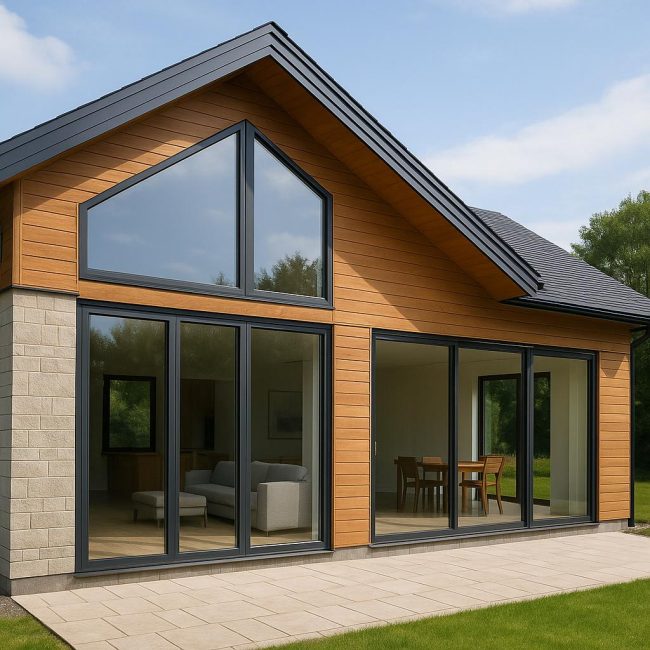
Panoramic windows have become one of the most striking trends of recent years. These solutions literally blur the boundaries between the home and the surrounding space. Thanks to the expansive stained-glass windows, residents experience a sense of openness and freedom, while the interior receives significantly more natural light.
Panoramic systems are especially popular in cottages located near forests or bodies of water. They allow one to watch the changing seasons without leaving the comfort of one's living room. Importantly, modern technologies combine aesthetics with energy efficiency, making large glass surfaces practical even in cold climates.
Minimalistic frames and visual lightness
In modern construction, lightness and simplicity of lines are becoming increasingly important. This is why windows with minimal profile width are becoming increasingly popular. They are almost invisible on the façade, yet they allow for the play of light and shadow to be emphasized and integrated into minimalist architecture.
Often, such solutions become not just a backdrop, but a distinct accent of the building. They create a stylish look that complements concrete and wood surfaces and lends the cottage a visual lightness.
Geometry as a way to emphasize individuality
While panoramic windows strive to "blur" boundaries, another trend, on the contrary, emphasizes uniqueness through form. More and more clients are choosing designs that follow roof lines or unusual façade angles.
In such cases, trapezoidal windows are an excellent solution. They fit perfectly into attics, houses with asymmetrical roofs, or complex architecture. This geometry helps emphasize the uniqueness of the project and makes the building recognizable.
Individual projects and unique combinations
Modern architects are increasingly moving away from standard solutions toward a more personalized approach. Cottage owners want their homes to stand out from their neighbors, and glazing is becoming a key way to achieve this.
This is where unusual combinations of forms, materials, and technologies come to the fore. Windows can be either enormous and overlooking the landscape, or compact and positioned in unexpected places. The key is harmony with the architectural design and interior layout.
Energy efficiency and smart technologies
While just a few decades ago, windows were a weak point in terms of thermal insulation, today the situation has changed dramatically. Modern double-glazed windows are equipped with special coatings that retain heat in the winter and prevent overheating in the summer.
Smart technologies are also being actively implemented. Glass with adjustable transparency, automated ventilation systems, and climate sensors all make glazing part of the smart home. Such solutions not only improve comfort but also help conserve resources.
Color solutions and profile finishing
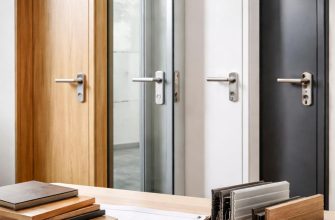
While windows were once primarily associated with white frames, today, diversity is in fashion. Lamination technologies allow for the creation of wood, stone, or metal-like surfaces. This expands designer options and creates a more harmonious home façade.
The most popular shades are calming ones—graphite, beige, and gray. They emphasize naturalness, pair easily with brick, concrete, or wood, and give the cottage a modern look.
Safety and durability
With extensive glazing, security is a growing concern. Many choose impact-resistant glass, reinforced films, and reliable hardware. These solutions provide confidence even with panoramic windows that take up a significant portion of the wall.
Furthermore, modern materials are resistant to time and weather. They do not fade, do not lose strength, and maintain the aesthetic appeal of the façade for many years.
Conclusion
Glazing in private homes is no longer a secondary element. It defines the building's style, impacts energy efficiency, and improves comfort. Panoramic stained-glass windows, minimalist profiles, and unusual geometric shapes all contribute to the appearance of a modern cottage. And where expressive accents are needed, trapezoidal windows are an excellent choice, blending harmoniously into complex architectural compositions.