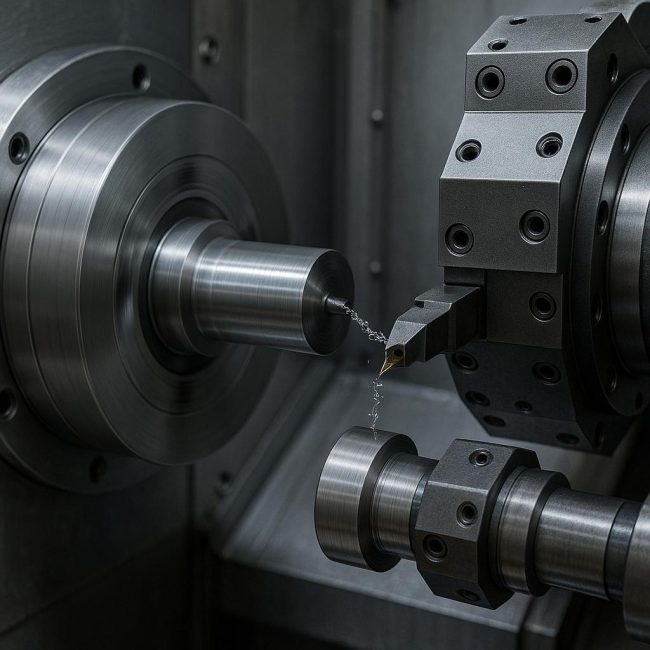
Metal turning using computer numerical control (CNC) has long been a common practice in industry. This is due to a number of advantages that directly impact the quality of parts, the speed of order fulfillment, and the overall economics of production.
Precision that stands the test of time
With traditional machining, much depends on the hand of the craftsman. Yes, an experienced turner can turn a part perfectly, but repeating it dozens of times with identical quality will be difficult. With CNC, the situation is different. The program sets the parameters, and the machine follows the instructions down to the millimeter. Even with large batches, deviations are minimal.
Speed as a competitive advantage
When comparing the same order completed manually and on a CNC machine, the difference in turnaround time is immediately noticeable. This is because automation eliminates unnecessary interruptions and allows for continuous operation. Even complex components requiring several sequential operations can be processed in a single setup. As a result, production cycles are reduced, which directly translates into the ability to complete more orders within tight deadlines.
Minimum defects and waste
Metal is a valuable material, and every extra piece wasted in shavings means lost money. CNC turning helps reduce waste by precisely adjusting operations. The software takes into account the workpiece geometry, optimizes the layer removal process, and the final part is exactly as it should be. Human error is minimized, meaning the defect rate is negligible.
Versatility in task execution
CNC technology allows for processing both simple workpieces like bushings or washers and complex geometric parts that require combining multiple operations. Turning can include threaded connections, chamfers, grooves, internal borings, and decorative elements. Importantly, this entire range of tasks can be performed without manual process adjustments (a properly designed program is sufficient).
Reducing production costs
Many people assume that CNC technology is more expensive. But when you consider the end result, the picture changes. High speed, precision, and low defect rates mean lower unit costs. Furthermore, saving time on changeovers and subsequent reworking of parts makes production more predictable and profitable.
Flexibility and scalability
Whether a few units of a product are needed today and hundreds tomorrow, the system can handle both. It's all about programming: a design created once can be used again and again, simply by changing the parameters or dimensions. This approach allows companies to quickly respond to market demands and remain competitive.
.