In urban areas, noise is one of the main factors reducing quality of life. Traffic jams, tram tracks, 24-hour stores, construction sites, and busy courtyards create a constant background noise that disrupts rest and negatively impacts health. For many residents of multi-story buildings, glazing their balconies has become not only a cozy and aesthetic feature but also an effective way to reduce noise levels in their apartments.
- Why noise has become a problem in big cities
- Glazing balconies as a barrier to street noise
- Types of glazing and their impact on sound insulation
- Cold glazing
- Warm glazing
- Frameless glazing
- The role of double-glazed windows in noise protection
- Correct installation is half the battle
- Additional measures to enhance the effect
- Practical examples
- Bottom line: is it worth glazing a balcony for the sake of silence?
Why noise has become a problem in big cities
Modern cities operate 24/7. Even at night, metropolitan areas continue to operate with traffic, services, and businesses. The average urban noise level rarely drops below 50–55 decibels, and near busy highways it can exceed 70–80 decibels. For comparison, 30 decibels corresponds to a quiet conversation, 50 decibels to a lively conversation, and 80 decibels is the sound of a passing motorcycle.
Humans can adapt to background noise, but constant exposure to excessive levels can lead to fatigue, sleep disturbances, irritability, and even cardiovascular problems. This is why soundproofing a home is a top priority when designing an apartment.
Glazing balconies as a barrier to street noise
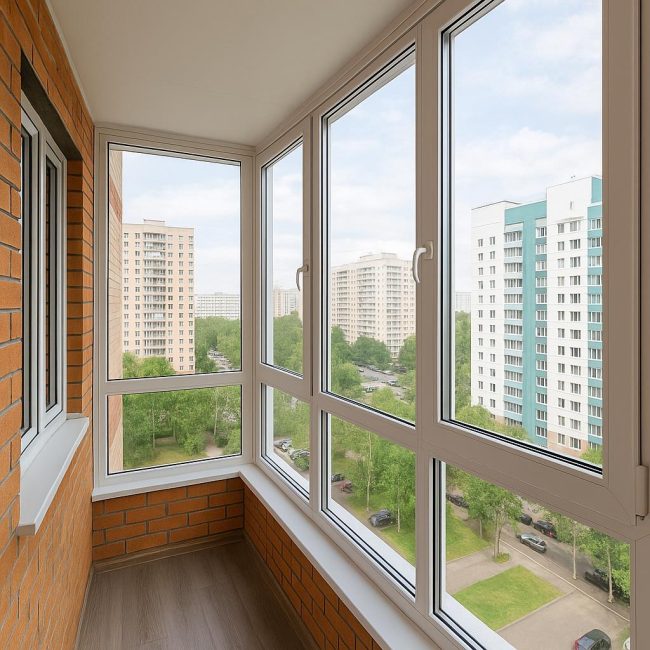
A balcony or loggia is the first barrier to street noise entering an apartment. However, an open structure offers no protection: sound waves penetrate unimpeded, reflecting off the walls and further amplifying the effect. Glazing balconies creates an additional barrier, reducing noise levels by 20–30%.
It's important to understand that the effect depends not only on the glazing itself, but also on the chosen technology, the type of glass unit, and the quality of installation.
Types of glazing and their impact on sound insulation
Cold glazing
It uses aluminum profiles and single-pane glass. Its primary purpose is to protect against wind, dust, and precipitation. This option offers minimal soundproofing benefits: it reduces noise levels by only 5–7 decibels. This is enough to muffle background street noise, but nothing more.
Warm glazing
Multi-chamber PVC profiles and double- or triple-glazed windows are used. This option offers significantly better noise reduction, with noise reduction reaching 20–25 decibels. In urban environments, this is a noticeable difference—the noise of cars and street noise becomes barely audible.
Frameless glazing
An aesthetically pleasing solution using solid glass panels. It provides protection from wind and precipitation, but offers little in the way of sound insulation, as the design lacks chambers and the glass is single-pane. This option is more suited for decorative purposes.
The role of double-glazed windows in noise protection
The key element of soundproofing is the double-glazed window. Its characteristics directly impact the results:
- Glass thickness. The thicker the glass, the greater its ability to dampen sound waves.
- Number of cameras. Double- and triple-glazed windows provide a significantly better effect compared to single-glazed windows.
- Different glass thicknesses. If the glass has different thicknesses (for example, 4 and 6 mm), they attenuate different sound frequencies, which increases efficiency.
- Special triplex glass. These are laminated structures in which two panes of glass are bonded with a film. They offer improved sound insulation and are also safer.
Correct installation is half the battle
Even the highest-quality double-glazed windows won't deliver the expected results if installed improperly. Common mistakes:
- gaps between the frame and the wall through which sound passes;
- use of low-quality mounting foam;
- lack of sealing of joints.
To ensure balcony glazing truly works as a sound barrier, careful installation is essential. It's best to entrust the work to professionals and use additional insulation and soundproofing materials at the joints.
Additional measures to enhance the effect
Glazing is the basis, but it can be supplemented with other solutions:
- Finishing the balcony walls with soundproofing panels. Mineral wool, cork coverings or special acoustic panels reduce sound reflection.
- Insulation of floors and ceilings. Layers of heat and sound insulation help create a sealed circuit.
- Thick curtains or roller systems. They not only protect from the sun, but also partially muffle noise.
- Competent combination of a balcony with a room. If the balcony becomes an extension of the living space, high-quality sliding doors or a French window with good soundproofing properties should be installed.
Practical examples
- The apartment is located near a busy highway. Without glazing, the noise level can exceed 70 decibels; after installing a triple-glazed window, it drops to 40–45 decibels—a comfortable level for sleep and relaxation.
- House by the railway. Cold glazing is of little help, but warm glazing with laminated glass can reduce the vibration noise of trains to an acceptable level.
Bottom line: is it worth glazing a balcony for the sake of silence?
Glazing balconies is one of the most affordable and effective solutions for combating noise in a city apartment. Of course, the results depend on the chosen technology: cold glazing provides minimal benefits, while warm glazing with multi-chamber glass units and high-quality installation provides maximum benefits. When combined with additional interior finishing, the balcony becomes a true barrier, protecting residents from the bustle of the city.
For those who value comfort and tranquility, glazing is no longer a luxury, but a necessity. It's an investment not only in comfort but also in the health of the entire family.