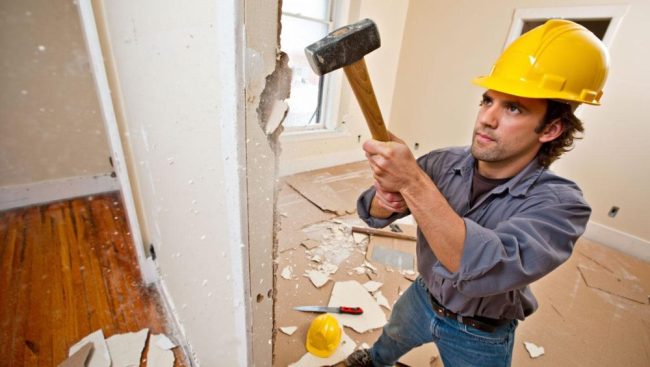
When it comes to demolishing old structures, whether it's a building, a garage, or any other old structure, the right demolition tool is key to efficient and safe work. The right tool selection directly impacts the speed of the task, the quality of the work, and the safety of the process. In this article, we'll look at which demolition tools are best suited for different types of work.
The main types of tools for destruction
There are several types of tools you might need to demolish old structures. It all depends on what you're working with—brick, concrete, metal structures, or wood. Let's look at the main types of demolition tools:
- Jackhammers - powerful tools for breaking hard materials such as concrete or stone.
- Rotary hammers — use a striking mechanism and can work with concrete and brick walls.
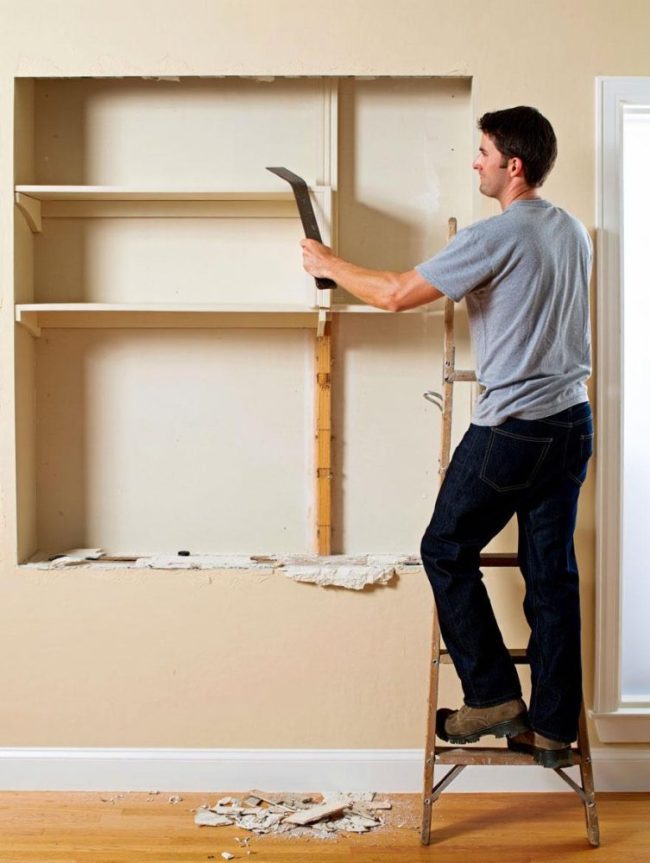
- Scrapers and crowbars - a suitable tool for removing old coatings, finishing or dismantling wooden structures.
- Hand hammers and picks - used for small jobs, such as breaking up plaster or old slabs.
- Welding machines — for dismantling metal structures.
Each of these tools has its own characteristics and is used in certain conditions.
How to choose a demolition tool depending on the material
It's important to understand that the choice of tool depends on the material you're working with. Let's consider several scenarios:
- For concrete and brick: the best choice is jackhammers or rotary hammers. These tools can easily penetrate concrete and brick walls, as well as dismantle them.
- For metal: If you need to destroy metal structures, the best choice is a welder or grinder. Welding allows you to effectively cut and destroy metal joints.
- For wood and other soft materials: When working with wood, use crowbars, hammers, as well as saws and hacksaws for more precise disassembly.
Safety when working with demolition tools
Working with destructive tools requires strict safety precautions. Failure to do so can result in injury and other serious consequences. Here are some safety tips:
- Use protective equipment: gloves, glasses, ear protection and a helmet.
- Check the tool before use: Make sure that all mechanisms are working properly and that the handles and components are not damaged.
- Don't forget about ventilation: When working with power tools in enclosed spaces, ensure air is circulating to avoid smoke or dust poisoning.
Tips for using demolition tools effectively
To ensure the job is done quickly and efficiently, it's important to use the right tools. Here are some recommendations:
- Use the tool according to the materialChoose a tool based on what you'll be working with to avoid wasting energy on tools that aren't up to the task.
- Correct load distributionIt is important to distribute the load to avoid placing excessive load on one spot and damaging the structure.
- Work in stagesStart with small destructions, gradually increasing the force of the impact. For example, if you need to destroy a wall, it's best to start with small holes and then work your way up to the larger section.
Conclusion
The choice of demolition tool depends on many factors, from the type of material to the scale of the job. The right tool will make your project safer, faster, and more cost-effective. Remember to take safety precautions and choose the right tool wisely.
Every project is unique, so it's important to select the optimal tools for each stage of demolition in advance. Remember, choosing the right equipment will save you time and effort and ensure high-quality work.