A fecal pump is a high-capacity device designed for pumping viscous liquids containing large suspended particles. It is used for cleaning cesspools and septic tanks, and for pumping out individual sewer systems. A sewage pump handles viscous media containing solid particles no larger than 50 mm.
The system for removing wastewater generated during life processes can have various designs, including those with forced pumping of contents.
In private homes, fecal pumps are often used for sewerage, especially if the sources of feces are located in basements or ground floors.
In this article, we'll take a detailed look at the operating principle, technical characteristics, design, applications, and installation locations of sewage pumps (behind the toilet, bathtub, sink, etc.).
- Using fecal pumps in a private home
- Sewage pump – operating principle, design and technical characteristics
- How does fecal pumping equipment work?
- Operating principle of the unit
- Technical characteristics of a forced sewerage system for a private home
- Main varieties
- Sewage grinders
- Choosing a pump for a private home
- How much does a sewer pump cost for a private home?
- Correct operation
- Product marking
- Popular manufacturers of fecal pumps
- Installation of a fecal pump
Using fecal pumps in a private home
Owners of private country houses inevitably have to clean out their property's sewer system. This can be done by calling a specialized service with a sewage truck, but such a procedure is quite expensive, so many prefer to handle the pumping themselves.
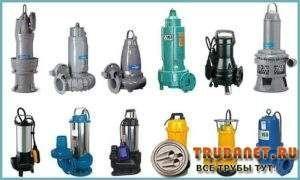
Pumping out contaminated water can be done using two types of units: drainage or fecal.
The difference between them may seem insignificant at first glance, but it is fundamentally important.The first of these are designed for pumping heavily contaminated media, including various solid objects up to 5 centimeters in size. To prevent these solid objects from entering the device, a metal mesh is installed at the pump inlet.
Fecal waste has a slightly different consistency. It's a thick liquid, often containing fibrous contaminants such as clumps of rags, hair, animal fur, and other similar substances. The drainage system's mesh becomes clogged with them very quickly, and the system stops working.
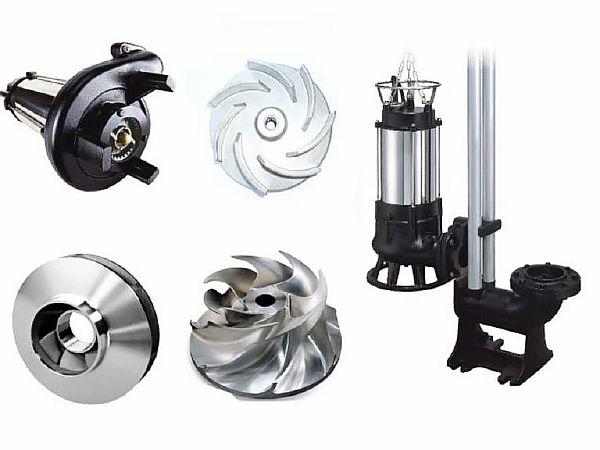
To eliminate this problem, a grinder is installed on fecal models of sewage pumps in private homes.
Thus, drainage pumps for sewerage in private homes are practically not used.
Sewage pump – operating principle, design and technical characteristics
This is a small device that allows you to accumulate, crush and move contaminated masses of high viscosity.
How does fecal pumping equipment work?
Such units have a rather complex design, consisting of the following elements:
- Housing. It can be made of durable plastic, cast iron, or stainless steel. Given the harsh environments, the latter is the preferred option. A heavy-duty housing is used on submersible pumps.
- The stator and rotor are the parts that form the propulsion system and are placed coaxially.
- The shaft connected to the rotor transmits rotation from the electric motor to the working element of the device.
- A sealing system that isolates the inside of the mechanism from the aggressive environment.
- An impeller that directly impacts the pumped substance and sets it in motion from the suction port to the outlet.
- A lid that covers the internal structure of the device.
- Oil chamber protects the mechanism from overheating during operation.
In addition, the device is equipped with brackets for attaching a cable and hoses.
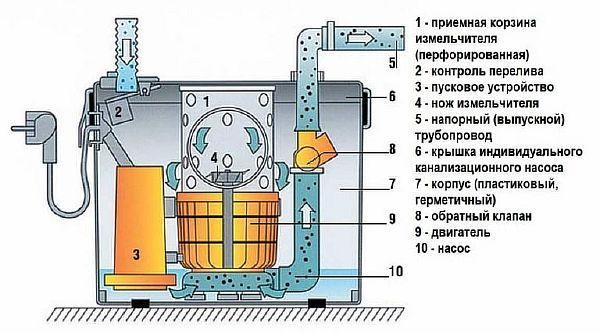
Operating principle of the unit
Despite the apparent complexity of the design, the device's operation is quite simple. As it rotates, the impeller draws the sewage toward the inlet, simultaneously grinding its solids.
Under pressure, the mass is fed towards the outlet pipe, on which the hose is installed.
Technical characteristics of a forced sewerage system for a private home
Forced sewerage in a private home is only necessary in special cases when it is impossible to install a gravity drainage system.
This is usually determined by the design features of the building itself, if the plumbing fixtures are located in basements or cellars.
The following technical characteristics are important here:
- Pump performance – the volume of waste that can be pumped out per hour of operation (for example, 150-400 liters).
- Power consumption – for a private home, it is sufficient to use low-power units – up to 400 W/hour.
- Immersion depth or column lift height – for fecal pumps, a value of 15 meters is sufficient for this indicator.
- Power supply – sewerage stations for private homes use equipment with an operating voltage of 220 volts.
These are the basic specifications for a home sewage treatment plant. Equipment parameters vary widely, but there's always an optimal combination for a specific situation.
Main varieties
Despite the wide variety of models of such equipment, they are divided into several categories:
 Submersible units They are made of high-strength materials and equipped with a float-operated on/off switch. The housing is sealed and equipped with durable gaskets, reliably protecting the internal components from aggressive liquids. Submersible devices are primarily used for pumping out cesspools, but they can be equally successfully used for pumping out storm sewer manholes. And nothing prevents them from being used for watering vegetable gardens. Thus, purchasing a submersible unit can solve a variety of problems.
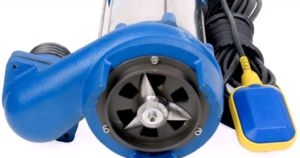
This pump is installed by attaching a suction pipe to the bottom of the tank, to which the unit itself is attached. A float switch ensures the unit is shut off promptly, preventing it from operating outdoors. The pumped substance acts as a cooling agent. This submersible sewage pump for a private home is one of the most reliable units in its class.
 Semi-submersible fecal models They are characterized by a reduced outlet pipe size. The maximum solid particle size is 15 millimeters. However, such devices are equipped with a solids breaker, making them successfully used for pumping sewage in private homes. Semi-submersible units are most often installed on a floating platform, ensuring their position always corresponds to the level of the liquid being pumped.
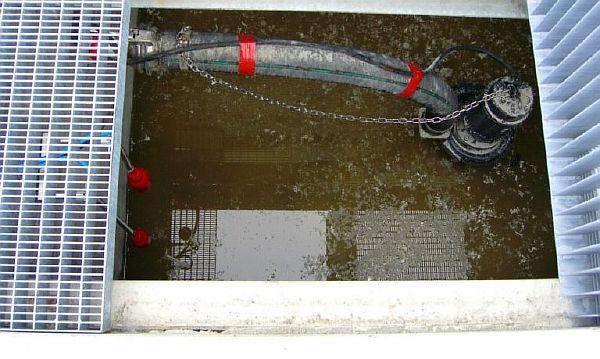
When installing such a unit, the lower part is located in the liquid, the upper part is above its level.
 Surface pumps They are typically installed outside the tank and therefore require a protective casing. These units are not known for their high productivity, and the maximum permissible solids size is no more than 5 millimeters. However, their long service life and very affordable price make them very popular among suburban residents.
- Domestic sewage pumping stations They are designed to address a wide range of specific wastewater disposal issues. The following aspects are addressed:
- The ability to integrate plumbing equipment located below the main sewer line into the general drainage system. This equipment allows for lifting liquids to heights of 5 to 15 meters, allowing for the placement of household plumbing fixtures in basements and ground floors;
 Using this equipment makes it possible to transport wastewater over distances of up to 100 meters without having to comply with slope regulations for gravity-fed systems. The problem of potential seasonal ground movements that could deform long pipelines is also resolved.
- The use of a grinder in a sewage pumping station allows the pumped substance to be pumped into a homogeneous mass, which makes it possible to use pipes with a diameter of 40-50 millimeters.
- Such installations allow the introduction of a carbon filter into the design, which rids the room of the smell of wastewater.
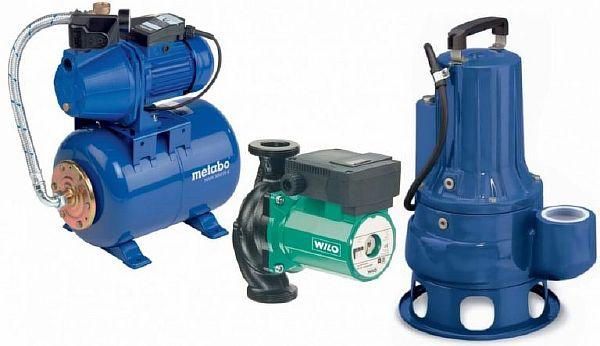
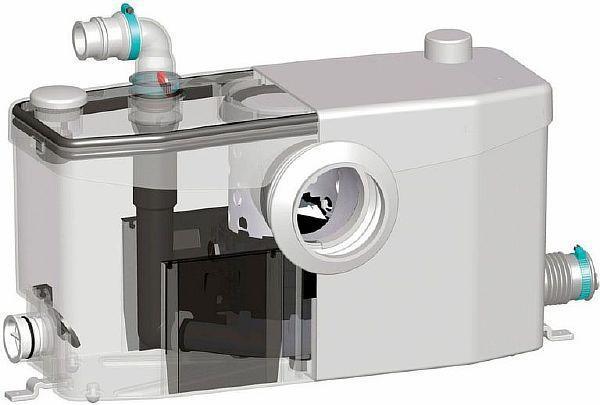
The criteria for selecting a station installation are the following circumstances:
- The depth of the main sewer system and the presence of a difference in height between it and the connected plumbing equipment.
- Type of wastewater – temperature and characteristics of contaminants.
- The estimated volume of sewage expected to be pumped by the pumping station when used in normal mode.
- The need for a device to operate in automatic mode and the choice of installation control method.
Domestic pumping units are available in a compact design and can be installed directly under a sink, bathtub, or behind a toilet, without taking up much space.
Sewage grinders
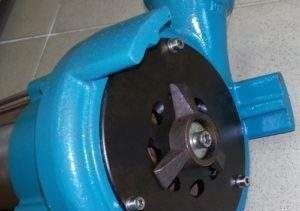 When processing household wastewater, you first need to understand what materials need to be crushed:
- In addition to grease, food debris can also enter the drain from the kitchen sink, causing clogs unless it is mixed with other fibrous materials from other sources.
- The most irritating substances found in sinks and washing machine drains are fibrous materials, hair, and pet dander. When combined with grease from the kitchen sink, they can create persistent blockages.
- A toilet pump removes the most significant clogging items, such as paper, various napkins and tampons.
The grinder has to deal with all these wastewater polluting materials.
Essentially, this design element functions like a regular meat grinder. The device itself acts as a screw conveyor for moving the ground mass, creating a pulling force.
Taking into account the characteristics of the processed material, high-strength alloy stainless steel materials are used to manufacture the knives and grates.
The following shapes of knives are used for installation:
- in the form of impellers with knives - blades;
- a cutter based on the principle of a meat grinder;
- cylindrical scissors-knives;
- cross-shaped pruning shears;
- plate incisors.
Choosing a pump for a private home
When choosing such a system for sewerage in a private home, the parameters of the system itself should be taken into account, namely:
- Power supply voltage, and therefore energy consumption for pumping sewage, affects the energy consumption. For a private home, 220 volts is usually sufficient, but units designed for 380 volts are also available.
- Power consumption is an important parameter. Given real-world loads, equipment for sewage pumps with a power rating of less than 400 watts is practically never produced. However, for a private home's sewer system, this power is quite sufficient.
- The pump's power directly affects the pressure it generates. This characteristic, expressed in meters of water column, reflects not the actual height of the lift but also the force required to overcome the resistance of the horizontal pipeline. Pressure when pumping thick sewage has a slightly different meaning, so sewage pump manufacturers provide actual performance figures in a table in their technical documentation.
- For submersible pumps, the permissible immersion depth is an important parameter. For outdoor installations, the depth of the suction hose is a key factor.
- The unit's performance—the volume of product that can be pumped per unit of time—is important. This should be matched to the calculated liquid flow rates. For domestic sewage systems, 400 watts of power is sufficient to pump up to 100 liters per minute, which is quite sufficient for its intended use.
- A sewage pump must be equipped with an automatic float-type on/off switch. It also requires protection against overheating, breakdown, short circuits, and other conditions. The unit must be protected with check valves to prevent backflow.
- The reputation of the equipment manufacturer is also important. Nowadays, there are many companies trying to produce counterfeits of well-known and reputable brands. Therefore, when deciding on a particular model, it's important to carefully examine the quality and origin certificates.
How much does a sewer pump cost for a private home?
The diversity of devices on the construction market is astounding. Literally hundreds of types and designs of sewage pumps attest to the popularity of comfortable suburban homes.
Along with products from renowned European manufacturers, Russian-made units are widely available on the market. They can be purchased at very affordable prices starting from 3,000 rubles.
At the same time, there are products at extremely high prices, reaching 132 thousand.
Based on price, pumps can be divided into three categories:
- budget, costing from 3 to 20 thousand;
- mid-price range goods – from 20 to 50;
- expensive units – from 50 and up.
It's worth noting that brand-name products are present in all price categories of sewage pumps. This should alert buyers, as simply being associated with a reputable manufacturer comes at a price. Selling products at near-bargain prices indicates some level of dishonesty on the part of the seller.
Choosing a unit that meets your technical specifications is easy – the product range is extensive. However, when it comes to performance, it's best to choose products from domestic manufacturers.
The main criterion is its repairability. The necessary part can always be found on the market, and any person with even the slightest training can replace a broken one.
Correct operation
Any technically complex product can quickly fail if used improperly. An example is using a submersible pump in air.
For such a unit, the pumped liquid serves as a cooling agent. If heat exchange is insufficient due to the partially open housing, the pump motor will quickly fail.
The same result awaits a device used improperly. Using such a pump as a drainage pump is dangerous, as the dirty liquid being pumped out often contains solid particles, such as pebbles. When these particles enter the grinder, they immediately damage its blades, leading to its failure.
Before using a fecal pump, carefully read the operating instructions. Failure to comply with these instructions will result in the device being denied warranty repair or replacement.
Product marking
It is applied to identify a particular model. The nameplate also indicates the model name and key technical specifications.

The installation of such plates on the body is intended to facilitate identification when selecting a product and when initially familiarizing oneself with the technical characteristics of the product.
Popular manufacturers of fecal pumps
As noted above, fecal pumps are produced by many manufacturers. The most popular of these are:
- Pumps produced PedrolloThese pumps are used for pumping heavily contaminated wastewater. The most popular equipment lines are the VXm MC/MCm. The former, less powerful, operate on a 220-volt network and have a minimum power of 0.6 kW. They are also the most popular for use in fecal sewer systems in private homes. The permissible solids size is 35 millimeters. Main technical specifications:
- engine voltage – 220 or 380 volts;
- maximum emptying rates from the bottom are 40-55 millimeters;
- working pressure from 15 to 66 liters per hour;
- diving depth indicators – 8-22 meters;
- outlet pipe diameter: 1.5-2.5 inches.
- Fecal pump Grundfos SEGThe unit is equipped with a grinder and is designed for pumping sewage, drainage water, and wastewater containing household waste. It can pump wastewater over significant distances, but the pipe size is limited to 40 millimeters.
Main characteristics of the equipment:
- body material – cast iron;
- the pump is equipped with an impeller adjustment system;
- 2 relays are installed to protect the device from overheating;
- used for pumping to a depth of 10 meters;
- The maximum permissible temperature of the pumped liquid is 40 degrees.
- Sewage pumps GillexThe company produces two types of pumps—the Fecalnik and the Drenaznik—their names suggest their intended purpose. The permissible solids size is 35 millimeters. Key technical specifications:
- productivity 160-260 liters per hour;
- diving depth – 6-11 meters;
- installation of a float switch.
- Sulzer – pumps for pressure sewerage. Strictly speaking, this is a station for pumping fecal waste while simultaneously processing it into a flowable liquid. Its advantage lies in its quick installation and start-up. The station is equipped with a reliable check valve and a powerful solids grinder.
 Fecal pump Vortex It is intended for pumping wastewater with strong fibrous contaminants.
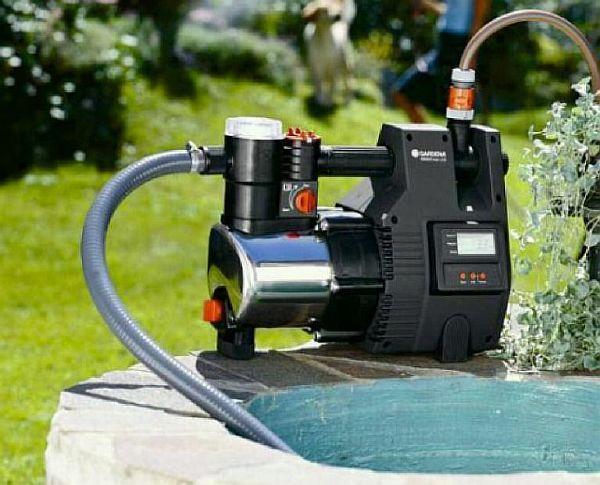
Used for household purposes. Main technical characteristics:
- power 450-1500 watts;
- pressure 9-18 meters;
- productivity 16-24 cubic meters per hour;
- solid inclusions of 15-42 millimeters are allowed;
- permissible liquid temperature is 40 degrees.
In some cases, a forced-sewage pump for a private home is a necessary solution, depending on the landscape of the area where the building is located.
Installation of a fecal pump
Installing a sewage pump is a crucial undertaking, crucial to ensuring comfortable and safe living in a private home. It's not a difficult undertaking, and you can do it yourself.