Hydrodynamic sewer cleaning is a method of flushing pipes using a hydrodynamic method. This procedure completely removes all deposits from the pipe walls, restoring their clarity. A thin hose with a nozzle is inserted into the pipeline, and water is injected under high pressure (up to 200 atm). Through the holes in the nozzle, the water clears blockages and flushes the interior of the pipes.
Pipe blockages can occur in city apartments, private properties, and any industrial facility. If the blockage is complex, it can be difficult to resolve without hydrodynamic drain cleaning. Otherwise, these tools will help. Tips for clearing a clog at home.
Unlike other cleaning methods, this method allows for the fastest possible cleanout of the sewer system. Hydrodynamic cleaning is completely safe for metal, plastic, and asbestos pipes, as cleaning is performed using ordinary water under pressure.
You can perform this procedure yourself, but you just need to know the steps and how to choose the right attachment. We'll cover this in detail in this article.
- Types and causes of blockages, methods for cleaning them
- How a hydrodynamic installation works - stages of the cleaning process
- Hydrodynamic sewer pipe cleaning equipment - types and characteristics
- Types of nozzles
- The main stages of cleaning
- How to flush your sewer system at home: the steps to follow
- Pros and cons of hydrodynamic cleaning
- Using a mini high-pressure washer to clean short pipes from blockages yourself
Types and causes of blockages, methods for cleaning them
Blockages can occur for various reasons, the most common being long-term pipe use or improper pipe maintenance. Sewer blockages, like those of heating pipes, are generally classified by their origin into the following types. Let's take a look.
- Mineral leaks – occur due to oxidation and rust formation on metal pipes. The pipe diameter decreases due to the gradual buildup of rust and limescale, which disrupts fluid flow.
- technological – occur due to improper pipeline design or errors in laying sewer lines;
- mechanical – observed when construction debris or another large foreign object gets into the pipe;
- operational blockages appear after prolonged use of the sewer system, when particles of food, lint, hair, etc. become attached to the inner surface due to the formed fatty layer;
In industrial plants, blockages most often occur due to insufficient fluid flow. In the absence of oxygen, sedimentary putrefaction occurs, triggering the release of hydrogen sulfide. This substance has a negative impact on pipelines made of reinforced concrete or steel.
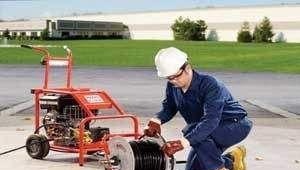
Various methods are used to clear a clogged pipeline:
- mechanical cleaning is carried out using a plumbing cable;
- Hydromechanical cleaning is carried out using a special installation;
- strong chemicals are used for dry cleaning, which are capable of dissolving sedimentary deposits.
The most modern and safe method of cleaning is hydrodynamic sewer cleaning.
How a hydrodynamic installation works - stages of the cleaning process
Hydrodynamic sewer cleaning involves treating the pipe walls with a high-pressure cleaning jet (typically 150-300 bar). The jet cleans the inside of the pipeline of sediment and grease. After hydrodynamic cleaning, in most cases, a new layer of dirt does not form for a long time.
The equipment operates as follows: a hose with a special nozzle is placed at the beginning of the area to be cleaned. The compressor is turned on, and water is forced through the hose under high pressure.
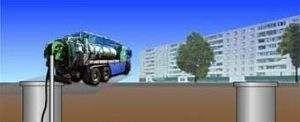 A strong pressure pushes the working tool along the sewer pipe, thereby clearing sediment from the entire inner surface. The person performing the procedure only needs to ensure the hose is correctly directed and adjust the pressure as needed.
The nozzles are equipped with special forward- and reverse-acting sprayers. The forward-acting sprayers deliver water forward, while the reverse-acting sprayers, located at the rear of the part, deliver water diagonally backward. The combined action of these elements propels the hose forward using a jet thrust.
Reverse-action nozzles also clear contaminants from the sewer walls. Thus, using hydrodynamic cleaning not only cleans the interior surface and restores fluid pressure in a specific area, but also removes ice blockages caused by frozen pipes.
Hydrodynamic sewer pipe cleaning equipment - types and characteristics
Hydrodynamic sewer cleaning equipment used in industry and domestic settings is quite similar in design. Typically, the main differences lie in the nozzles used and the pressure applied. The cleaning device consists of the following components:
- water compressor;
- hose;
- tip where the attachment is attached;
- engine or electric drive.
Hydrodynamic equipment is generally classified by the type of fuel it uses. Electric and gasoline-powered units are distinguished.
Electric devices are often used for hydrodynamic pipe cleaning in homes and apartments. This type of equipment can handle pipes up to 200 mm in diameter and up to 40 meters in length.
The device operates at a speed range of 500-1500 rpm and is powered by either AC or 3-phase electric power. Electric devices typically have a sealed housing that absorbs internal vibrations.
Gasoline-powered devices have a powerful engine (pressure ranges from 200 to 500 atmospheres) and do not depend on external power sources, which results in increased productivity.
They are often used at large industrial facilities for cleaning drains. These devices are equipped with a pressure gauge, a safety valve, a motor ignition switch, and a water filter.
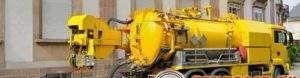
If you plan to clean a sewer with a diameter greater than 350 mm using the hydrodynamic method, the device is loaded onto a wheeled vehicle base, making it mobile.
Types of nozzles
The shape of the pipe cleaning nozzle is selected based on the task at hand and the type of sewer system being cleaned. Large enterprises, factories, and other industrial facilities use nozzles that can be used with a high-power cleaning jet.
A video overview of the StoneAge Warthog cleaning attachments
- Universal – used for the most basic types of sewer blockages (such as mechanical blockages) or for preventative cleaning. This type is highly maneuverable, allowing for relatively quick cleaning. Typically used in shorter sewer lines;
- Bottom filters – used to remove sand or silt buildup from the bottom of large-diameter pipes. They are often used in drainage and storm sewers. They have a wedge-shaped form;
- Punch-type (also called triangular) – necessary for removing particularly dense or old blockages. They have the appearance of a bit and are used in difficult situations when a universal nozzle cannot cope;
- Grenade-shaped – suitable for complex cleaning of pipelines with a diameter of less than 300 mm. They are used when maximum pressure and flow are required for cleaning;
- Rotary cleaners – used to remove grease buildup from the inside of drains. The nozzle rotates, allowing the cleaning stream to attack the blockage from multiple angles, effectively removing not only buildup on the walls but also small debris trapped in the sewer system.
- Chain-carousel – effective for destroying compacted sediment.
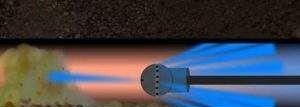
The selection of the appropriate nozzle depends on the cause of the blockage and the required jet power. It's worth noting that nozzles can vary not only in shape and application, but also in the angle of the water jet.
The main stages of cleaning
As mentioned above, hydrodynamic sewer cleaning is performed using a high-pressure water jet. Equipment is selected based on the length of the pipeline, the presence of branches, and the maximum pipe diameter.
The algorithm of actions for flushing the sewer system using this method:
- The pressure is set to a value suitable for the specific branch of the sewer system. If the procedure is performed in a private home, this value typically does not exceed 150 bar. If the pressure is too high, the risk of pipe rupture at the joints increases.
- The level of contamination and the location of the blockage are determined. For this purpose, inspection wells and manholes are typically used, which are placed at the pipeline sections where the components connect to each other.
- A flexible hose with a suitable nozzle (universal, rotary, bottom, or other type) installed is lowered into the pipes. The nozzle selection should take into account all the features of the sewer system and the complexity of its flushing.
- The hose moves slowly along the branch, spraying a cleaning stream at various angles to clean the interior walls. If the hose encounters problems advancing, the nozzle is replaced and the water pressure is increased. A piercing or impact nozzle is most often used to clear the blockage.
- After the flushing is complete, the hose is carefully pulled out of the sewer system.
How to flush your sewer system at home: the steps to follow
A hose is connected to the hydrodynamic device, which is then inserted into the sewer and pushed toward the riser. The pipe is sealed with a watertight plug, preventing water from entering the house.
A suitable nozzle is attached to the end of the working tool. The holes in the nozzles face opposite directions, creating a reactive thrust that moves the hose.
Thanks to the flexibility of the hose and a special nozzle that directs the cleaning stream at different angles, it is possible to hydrodynamically clean the turning sections of the pipeline.
The nozzles should be selected based on the degree of contamination of the pipe, its diameter, and the presence of grease or silt. Once cleaning is complete, the hose should be removed from the drain. Any loose debris should be removed during removal.
This procedure is easy to perform yourself, but a hydrodynamic system is quite expensive (starting at 30,000 rubles). It's worth noting that purchasing equipment just for cleaning the sewer system of your own home is not justified. Typically, after cleaning, the system can be used for 10-12 years before the next procedure.
The best and most cost-effective solution is to contact a specialized company. Our technicians will perform a preliminary assessment of the severity of the blockage and quickly clear the blockage.
If you decide to carry out the flushing yourself, it is recommended to follow this plan of action:
- Install the nozzle on the working element.
- Insert the hose 1 m into the sewer. This is easiest to do through the toilet or inspection hatch.
- Connect the device and carefully support the hose as it gradually moves into the system.
- Once the main blockage has been cleared (the water level begins to drop), several forward movements are required to better flush the drain.
- Turn off the equipment, remove the hose.
- Rinse the pipes with plenty of water to completely remove any contaminants.
Pros and cons of hydrodynamic cleaning
- regardless of the material the pipes are made of (metal, plastic, asbestos), the sewer system is not damaged internally, the water only affects the blockages;
- Compared to mechanical cleaning, hydro-jet cleaning requires less time;
- As a result of such flushing, the sewer system's capacity becomes comparable to the level when the system was first used;
- Due to the absence of strong chemicals, this cleaning method is the safest for the environment, equipment, and the health of the specialist performing the procedure;
- Hydrodynamic cleaning will provide high-quality cleaning, remove large and small waste, debris, and also clean the internal walls from the fatty layer and other deposits;
- Thanks to various nozzles, a flexible working hose and the ability to supply a water jet at different angles, it is possible to wash in turning areas and clean complex pipelines;
- the equipment can operate at low temperatures (below zero), so it can be used to destroy ice plugs;
- This method allows you to clean horizontally located pipes, which are often installed in the basements of private houses;
- the procedure is quite simple and can be done independently;
- Hydro-jet equipment will remove blockages and flush the sewer system.
 However, despite all the advantages, hydrodynamic sewer cleaning has some disadvantages. The main disadvantages of the procedure are:
- It is quite expensive. Hydrodynamic equipment is expensive, but you can save money by renting it or contacting a specialized organization that offers this service;
- In some cases, a large volume of liquid is required. When used at large industrial facilities, it will require approximately 300 liters of liquid per minute; when used to flush a private home's drain, approximately 20 liters per minute is required.
Using a mini high-pressure washer to clean short pipes from blockages yourself
 Car owners and homeowners often purchase mini pressure washers to clean their cars or driveways. However, this device is also used for cleaning short sewer lines.
To use the unit for these purposes, you should purchase various nozzles (at least a universal type) and a flexible hose.
When choosing a sink, it's recommended to consult with the seller to determine whether the chosen model can be used for drain cleaning. It's also a good idea to know the diameter of the pipe when purchasing to ensure the correct nozzles and sink are selected.
The use of such technology will make it possible to sewer cleaning up to 15 meters using hydrodynamic methodThis length is generally sufficient to restore normal operation of the sewer system on a private property.
Hydro-jet cleaning is unmatched in terms of efficiency, speed, and safety, so it is recommended. If this is unavailable for any reason, mechanical or chemical cleaning can be used.
These methods won't damage your pipes. It's also a good idea to remember preventative measures and take steps to prevent clogs.
In particular, it's advisable to install iron grates on drains to prevent debris from entering the sewer system, and regularly flush hot water with a chemical solution that can dissolve the grease layer. Such preventative measures will ensure the sewer system remains usable for as long as possible and avoid clogs.
We periodically use pipe cleaning services in our home, as our water quality isn't always up to par, even with a filter. I believe hydrojet cleaning is the safest option, as it doesn't involve chemicals or other mechanical devices. And if used as a preventative measure, it should keep your pipes free of problems for quite some time.