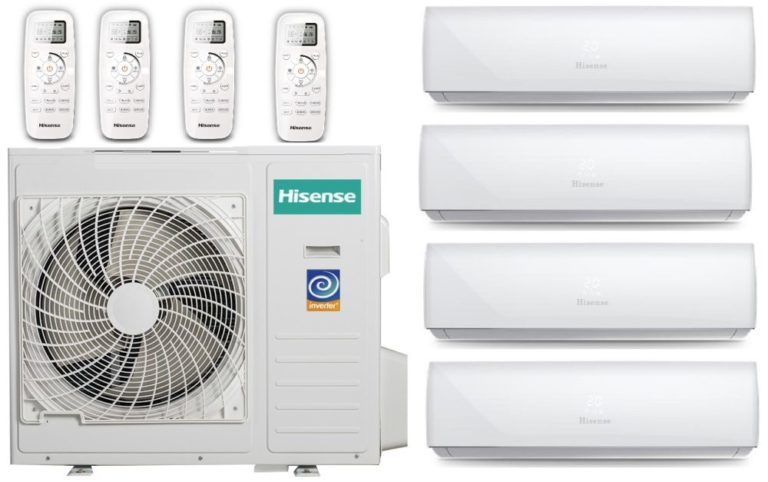
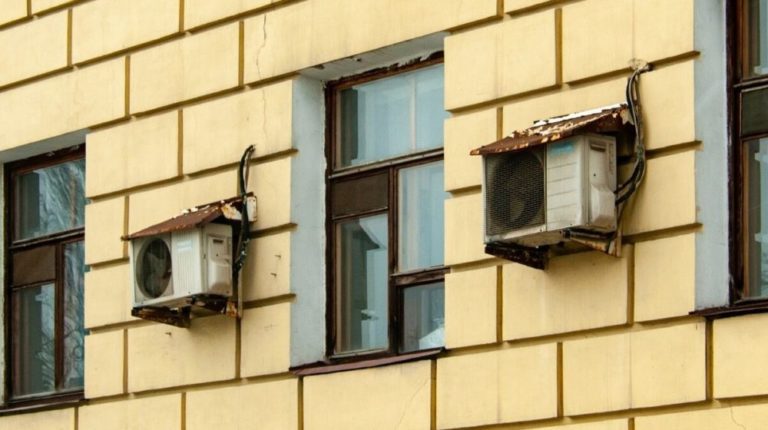
Do you want to install, but don’t understand what an air conditioner with supply ventilation is – this is climate control equipment with function of mixing fresh outside air into circulating flows.
To install the equipment, it is necessary to run an additional air duct from the indoor unit through a through hole on the building facade.
In this article, we'll discuss the design, types, operating principles, and installation nuances of supply-air split systems in more detail. We'll also review the 5 best models for apartments and homes. We'll also examine the strengths and weaknesses of ducted air conditioners with supply-air ventilation.
- The design and operation of a ducted air conditioner
- Advantages of ducted air conditioning
- Types of supply air conditioners
- Recommendations for selection
- Top 5 Best Supply Air Conditioners
- Hisense AUD-18HX4SNL
- Royal Clima CO-D18HN
- Haier AD18SS1ERA
- Mitsubishi Electric SEZ-M25DA
- LG UM36WC
- Self-installation of a modified air conditioner in an apartment
- Answers to frequently asked questions
- Video material
The design and operation of a ducted air conditioner
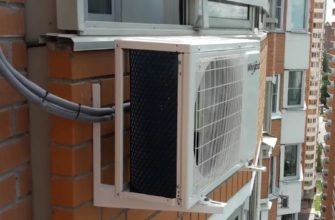
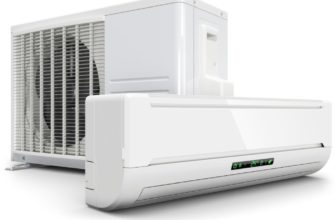
A ductless air handling unit is similar in design to a traditional air conditioning unit. It consists of an outdoor unit with a compressor, fan, condenser, and mixing chamber. The indoor unit contains a heat exchanger, filter, fan, and electronic control unit.
An additional element for mixing street air is a supply unit, from which an air duct is routed from the room through an opening in the wall to the street.
A ductless air-supply split system with an indoor unit is unable to provide the required fresh air supply to a large room. The unit is designed for a small room.
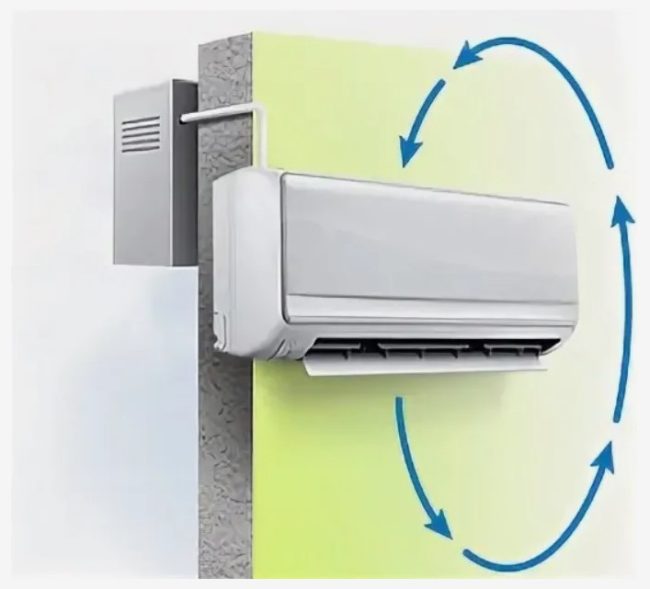
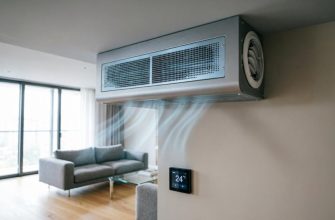
To ensure fresh air flows into all functional areas and individual rooms, a ducted air conditioner with an air-supply function is installed. The indoor unit, with its evaporator and heat exchanger, is mounted on the ceiling under the paneling or in a utility room.
Air ducts are installed from the ducted unit to each work area, similarly hidden under the suspended ceiling's finishing. Fresh air is supplied locally through the ducts at the calculated volumes.
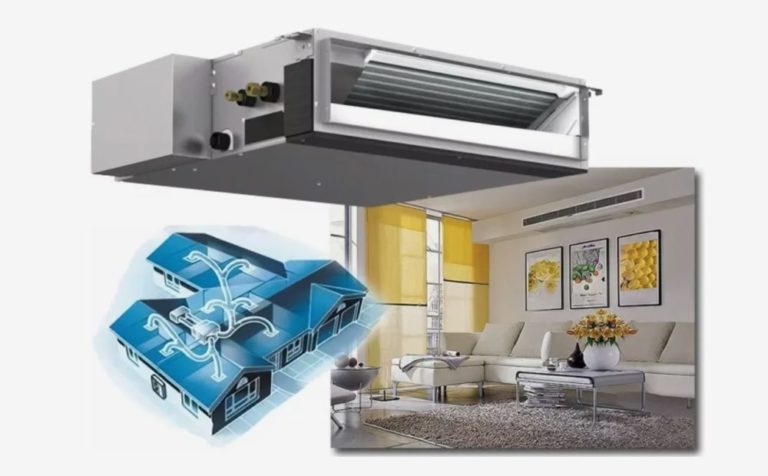
Regular air conditioner The system recirculates indoor air. The supply ducted split system mixes outdoor air with the circulating air. Fresh air enters the evaporator through the intake duct, where it is mixed.
In addition to heating and cooling, a ducted supply air conditioner enriches the room with oxygen. Climate control is combined with ventilation. For the system to function, an exhaust ventilation duct is required.

The exhaust hood in the ventilation system will remove exactly as much exhaust air as fresh air flows from the street are received through the duct inflow.
Advantages of ducted air conditioning
The main advantage of supply ducted air conditioning is the enrichment of circulating air with oxygen. Whether the heating mode is on in winter or the cooling mode is on in summer, a stream of fresh air at the set temperature enters the room.
Other advantages of ducted air conditioning:
- Part of the exhaust air is removed through the hood.
- The quality of the microclimate improves.
- The risk of allergic and cold diseases is reduced.
- It becomes possible to air condition several rooms of a large apartment or private house.
- Energy consumption is reduced by eliminating the need for additional installation and operation of mechanical supply and exhaust ventilation. Automatic operation is supported by a microprocessor control system. Energy consumption is limited to the amount required to operate the ducted equipment within the specified settings.
Types of supply air conditioners
Three types of air conditioning systems have been developed for air conditioning with ventilation. A membrane split system is equipped with a regulating membrane. Made of a molecular structure, the unit allows only oxygen to pass through.
Heavy metals and harmful gases are retained by the membrane, which is considered an advantage. Disadvantages include high cost and complex installation.
The disadvantage is the limited power of the equipment and the need to hang an additional unit on the facade.
A split system with a modified outdoor unit consists of a single module that processes airflow to a preset temperature and provides ventilation. A complementary indoor unit is located in the room, fed by an outdoor air supply duct.
The advantages include high productivity with an average rate of 30-35 m3/hour. Users consider the high cost a disadvantage.
Recommendations for selection
Membrane air conditioners are rarely available and are in low demand. Modular air conditioning is advantageous for small apartments and private homes, or as an addition to an existing split-system system.
In other cases, for installation in residential and public spaces, preference is given to air conditioners with a modified outdoor unit.
Choose a model taking into account the air conditioning parameters:
- Heating capacity. The capacity of ducted air conditioning equipment must be sufficient to ventilate and maintain the required temperature in all air-conditioned spaces.
- Air pressure. Low-pressure air conditioners are rated at 50 Pa, medium-pressure air conditioners at 100 Pa, and high-pressure air conditioners at 100-250 Pa. For an apartment, units with an air pressure of 100 Pa are suitable. However, ducted ventilation and air conditioning systems experience increased resistance as they become longer. This requires individual calculations or the installation of a high-pressure split system with adjustable pressure.
- Supply air availability. Not every ducted air conditioner has an air supply function. For ventilation and air conditioning, choose a unit with an air mixing option.
- Heater. A heating element is useful for warming up fresh air from outside in winter. A functioning heater prevents condensation from forming on the walls of the air ducts. In southern regions, a 5 kW heating element is sufficient for heating ducted supply ventilation. For northern regions, a heater with a higher power rating is required.
- Filter. Split systems are equipped with a filter element as standard. If there's space for an additional cassette and you plan to install a filter, choose ducted equipment with an air flow rate 15-30% higher than the calculated values.
When making calculations, use two parameters: power and pressure. Take the data from the equipment specifications and compare it with the characteristics of the premises and the ducted ventilation system.
The power specified is for air conditioning the permissible volume or area of the room. For example, 3.5 kW equipment is designed to operate in a 40 m2 room.2For an apartment or private house with an area of 120 m2 Increase the split system capacity up to 3 times with a small reserve percentage.
An engineer can perform a precise pressure calculation. This calculation takes into account the resistance of ducts, additional filters, and the air ionizer. A 20-30% admixture of outside air is taken into account. If an engineer's services are not available, the calculation is for a four-room apartment or private house with a total area of 140-200 m2.2 Duct equipment with a pressure of at least 100 Pa is suitable.
Top 5 Best Supply Air Conditioners
Equipment varies in performance, features, and installation requirements. When choosing an air conditioner with supply ventilation for an apartment, private home, office, or other space, pay attention to the technical specifications and manufacturer.
A rating compiled based on user reviews will help you choose a model from the range offered by retail outlets.
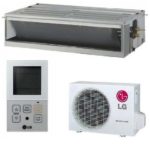
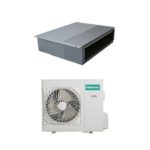
Hisense AUD-18HX4SNL
The Chinese duct model is characterized by a super-thin casing of the indoor unit with a thickness 19 cm, which simplifies installation under the ceiling.
An air filter, winter kit, and supply ventilation are provided. Cooling capacity – 5000 W, heating capacity – 5700 WInstallation of blocks is permitted with a maximum height difference 15 m and track length 20 m.
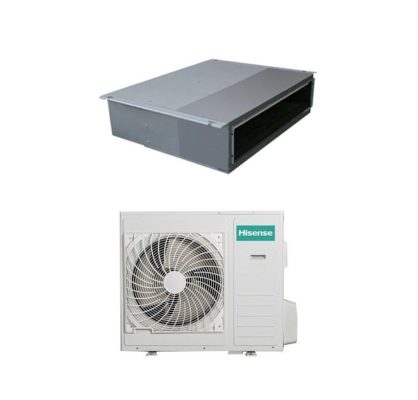
Pros and cons:
- Low noise level 35-38 dB.
- Designed for rooms up to 50 m2.
- Mold prevention function.
- The model is not an inverter type.
- Not always available for sale.
Average cost of equipment 92,190 rubles.
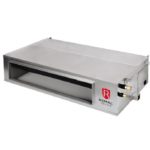
Royal Clima CO-D18HN
Under the Italian brand name, an air conditioner with fresh air admixture is assembled in China. The powerful split system is designed for a room of 50 m2.
The units may be installed with a height difference of 10 m and a maximum route length of 25 m. The cooling capacity indicator is 5300 W, heating capacity – 5800 W.
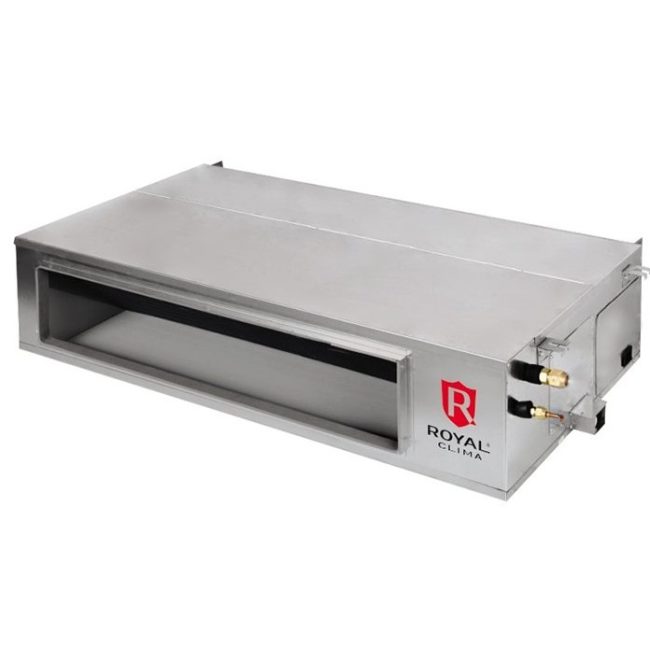
Advantages and disadvantages:
- Low noise level of the indoor unit – 35 dB.
- Supply ventilation and dehumidification mode.
- Air exchange 1000 m3/hour.
- Non-inverter type air conditioner.
- Heavy indoor unit 34 kg.
Average price of the model 61,990 rubles.
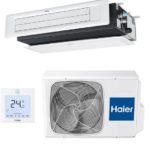
Haier AD18SS1ERA
A powerful Chinese air conditioner will heat or cool a room of an area 50 m2Installation of units is permitted with a height difference of 15 m, a route length of 25 m. Cooling capacity – 5000 W, heating capacity – 5500 W.
There is a supply ventilation mode, air dehumidification, and automatic restart.
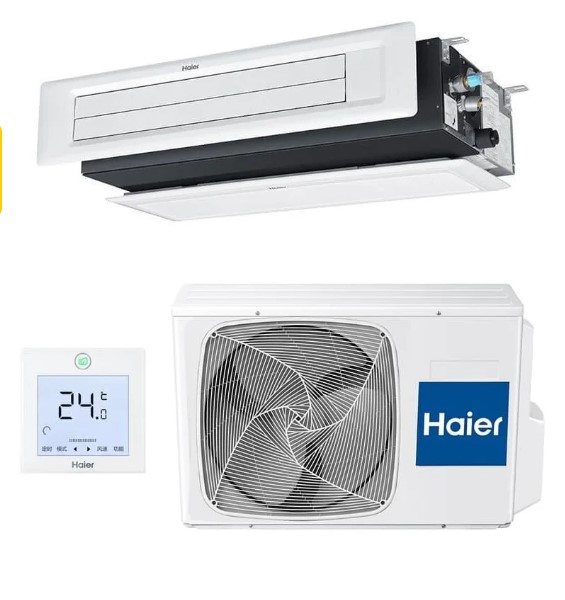
Advantages and disadvantages:
- Low noise level of the indoor module 36 dB.
- Air exchange 900 m3/hour.
- Self-diagnosis, anti-ice system.
- The compressor is not an inverter type.
- The price is too high.
A split system is being sold at a 15% discount on Yandex Market for 100,000 rubles.
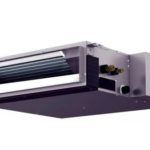
Mitsubishi Electric SEZ-M25DA
The air conditioning equipment of this renowned Japanese brand is manufactured in Taiwan. The split system with supply ventilation is designed to air-condition a room of 25 m2There is an auto mode, self-diagnostics, and auto-restart.
Maximum cooling capacity – 2500 W, heating capacity – 2900 WNight mode, dehumidification and ventilation are provided.
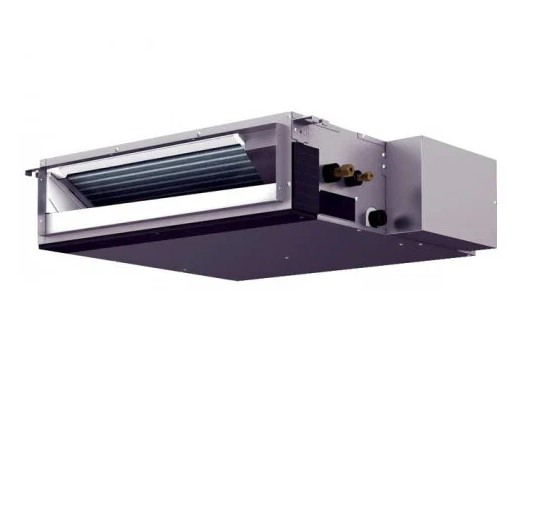
Pros and cons:
- Inverter compressor.
- Low noise level of the indoor unit 22-29 dB.
- Reliable equipment from a well-known brand with a 3-year warranty.
- It is difficult to do the installation yourself.
- The price is too high for the brand name.
Split system price on Yandex Market 159,700 rubles.
LG UM36WC
Climate control equipment from a Korean manufacturer with a supply ventilation function in a room with an area of 30 m2 provides air exchange 1920 m3/hourPower in cooling mode 11000 W, heating – 11700 W.
The model is capable of air conditioning 9 zones, maintaining the same temperature parameters. Provided 3 speeds fan with adjustable speed.
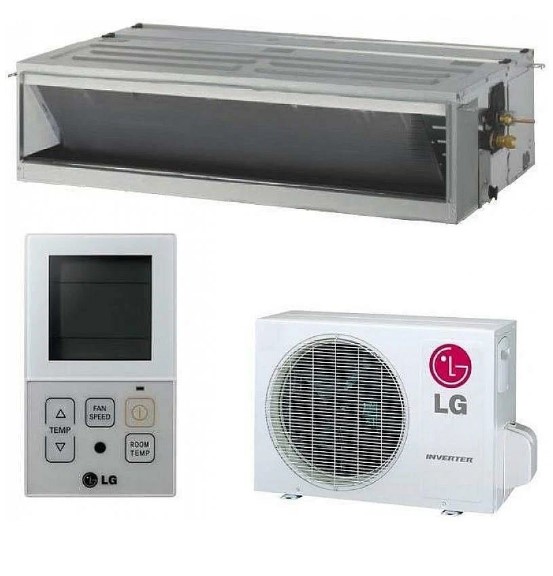
Advantages and disadvantages:
- Inverter compressor.
- Low noise level 35-38 dB.
- Timer, convenient remote control, mode indicator.
- Massive external (58 kg) and internal (36 kg) block.
- High cost.
You'll have to pay for an air conditioner from a popular Korean brand. 262,700 rubles.
Self-installation of a modified air conditioner in an apartment
Installing air conditioning equipment requires skills and tools. Installing an air conditioner with outside air intake in an apartment requires additional permitting.
An apartment building is considered the common property of all residents and is registered with the maintenance organization. To obtain permits, please contact your local authorities.
To install a standard split system, the outdoor and indoor units are mounted on the wall. The modules are connected to each other with a piping system consisting of two copper tubes, a cable, and power.
Modified equipment with a supply ventilation function is equipped with an additional unit that supplies fresh outside air to the apartment.
Installing a multifunctional air conditioner has its own nuances, which we will consider using the example of ROYAL FRESH STANDARD equipment:
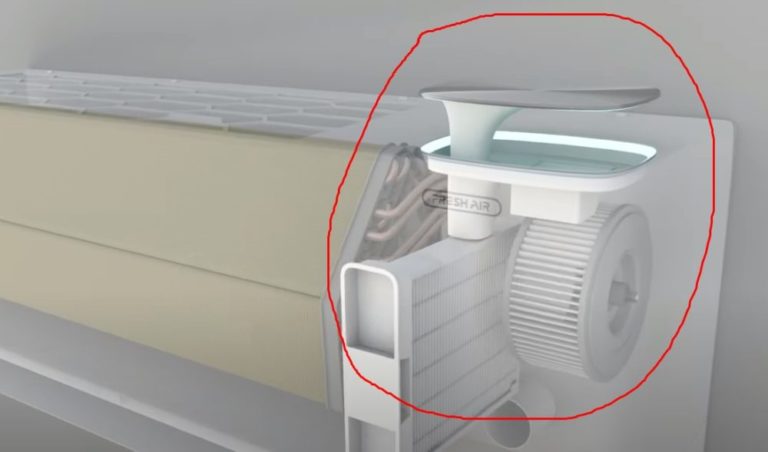
- The supply ventilation unit is located in the indoor unit. It consists of a heat-insulated housing, a fan, a deflector valve, and a holder for the supply air filter.
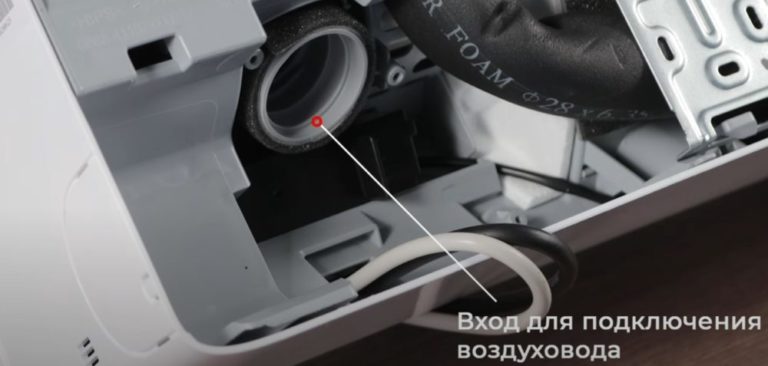
- On the rear right side of the indoor unit, there is an opening for the supply air duct. The duct will exit through the wall to the outside, where it ends as an air intake.
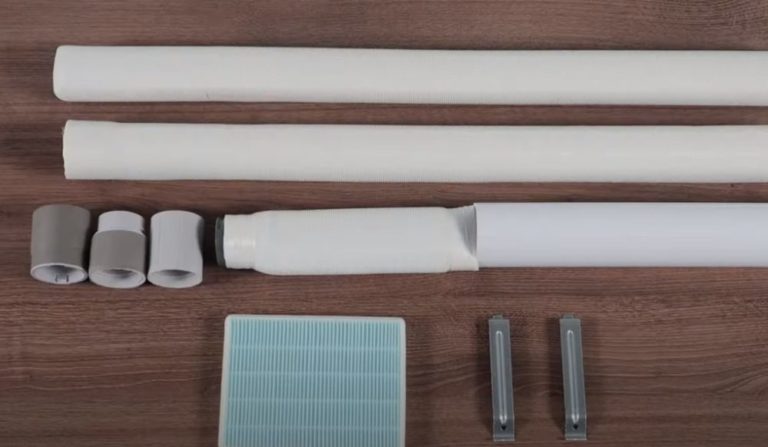
- Air conditioner installation begins with preparing the materials. The manufacturer supplies the ROYAL FRESH STANDARD model with two insulated supply air ducts, three adapters for connecting pipes, and a pass-through duct with a connector. Additionally, it comes with a HEPA filter and two metal plates for securing the air duct to the air conditioner's indoor unit.
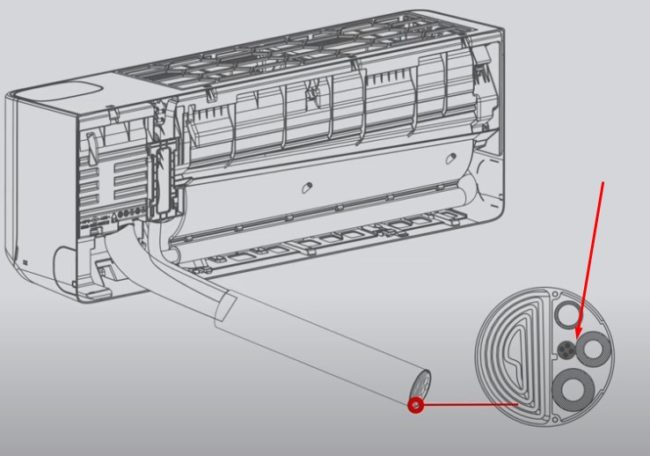
- The pass-through duct is designed to be routed through a wall to the outside via a through-hole. It is constructed as a pipe, with the internal space divided into two sections by a partition. One tray, with a protective metal grille, serves as an air intake. The duct carries fresh air from outside into the room. The other tray has a removable cover. Use the duct space for the lines connecting the indoor and outdoor units of the air conditioner.
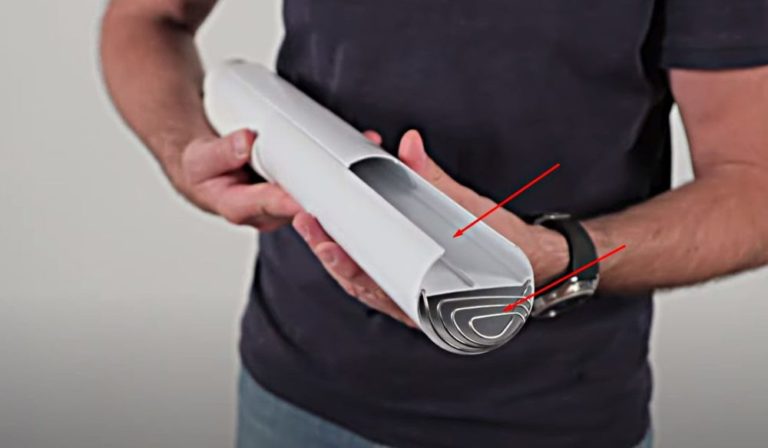
- Before installing the air conditioner, connect the pass-through channel to the supply air duct using an adapter.
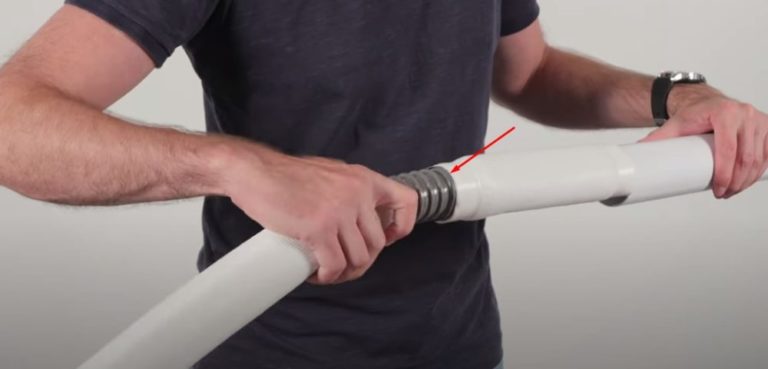
- Remove the insulation from the end of the supply air duct. Manually slide the casing 15-20 cm. A hose with threaded ends will emerge from under the insulation. Screw the duct into the supply air unit opening on the rear of the indoor unit.
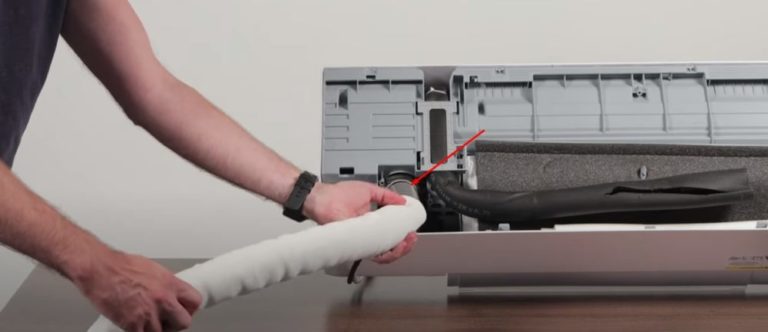
- Depending on the layout of the indoor and outdoor units of the air conditioner, route the air duct in one of three ways: to the back, through the right or left side.
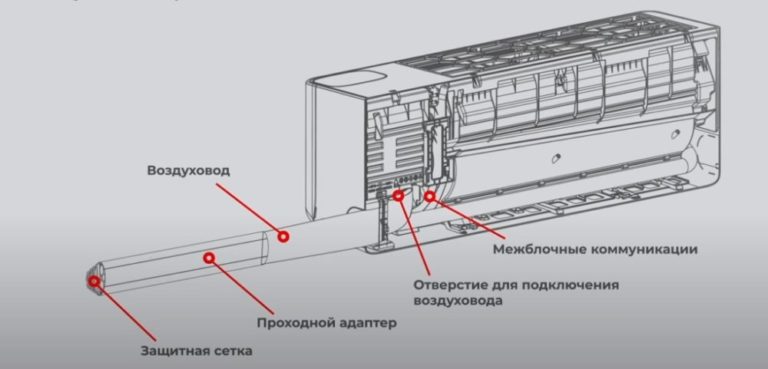
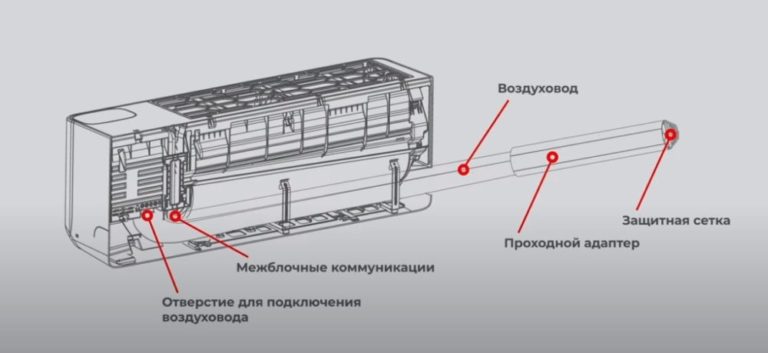
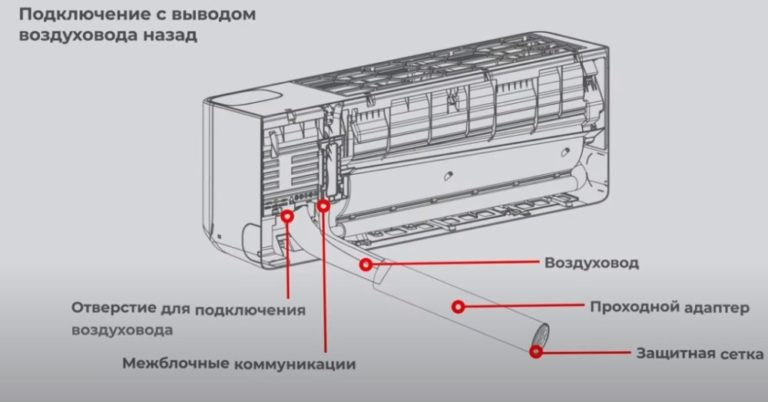
- When using the left-side layout, part of the air duct runs through the indoor unit. Secure the pipe with the mounting brackets included with the air conditioner.
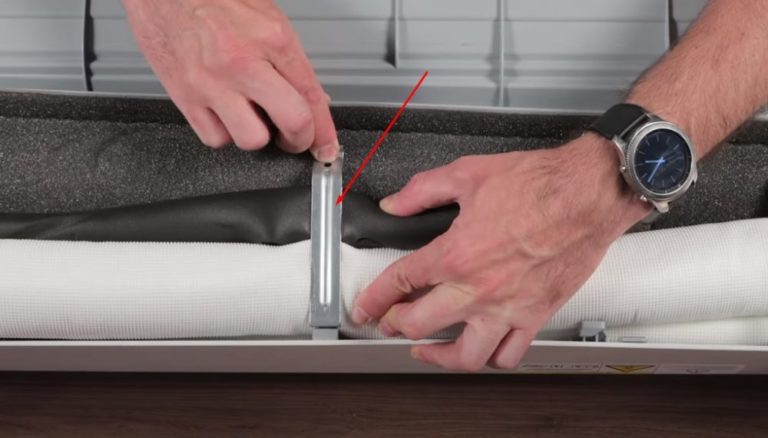
- Connect two copper refrigerant lines, a drain duct, and an electrical cable to the indoor unit. Connect the utility lines to the outdoor unit through the pass-through duct or install a separate outlet. The second connection scheme requires drilling an additional through-hole in the wall.
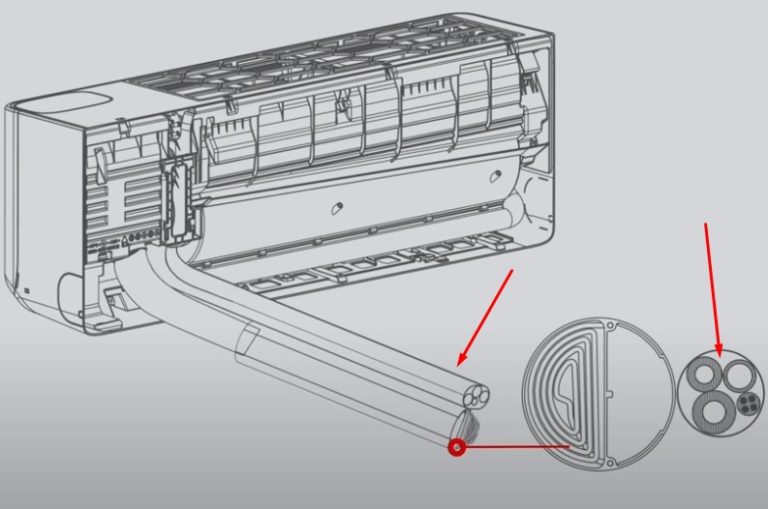
- To install an air conditioner with outdoor air intake, attach a mounting plate to the wall facing the room for hanging the indoor unit. Follow the manufacturer's recommended module placement diagram. Maintain a distance of 15-20 cm between the ceiling and the top of the unit to prevent cold intake air from the valve from blowing onto structural elements of the building.
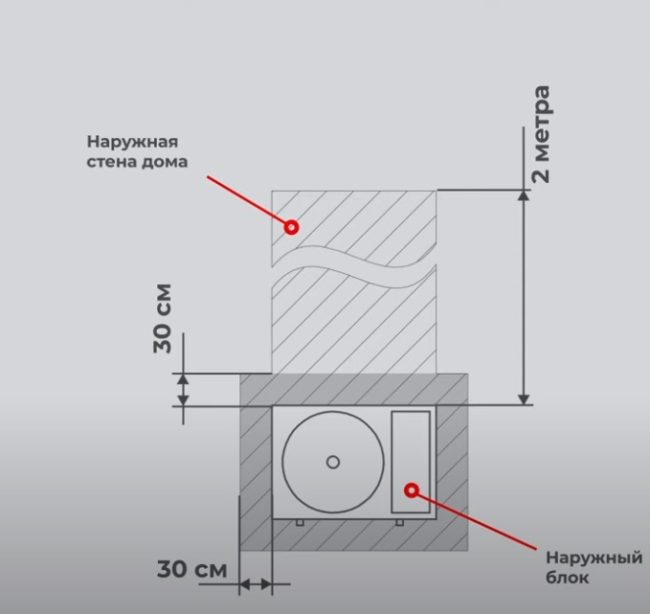
- When installing the air duct above the outdoor unit, maintain a minimum clearance of 2 m from the unit's casing. In other cases, a clearance of 30 cm is sufficient for side connections. If the air duct is installed too close, compressor noise and warm or cold air from the operating outdoor unit will enter the room along with the supply air.
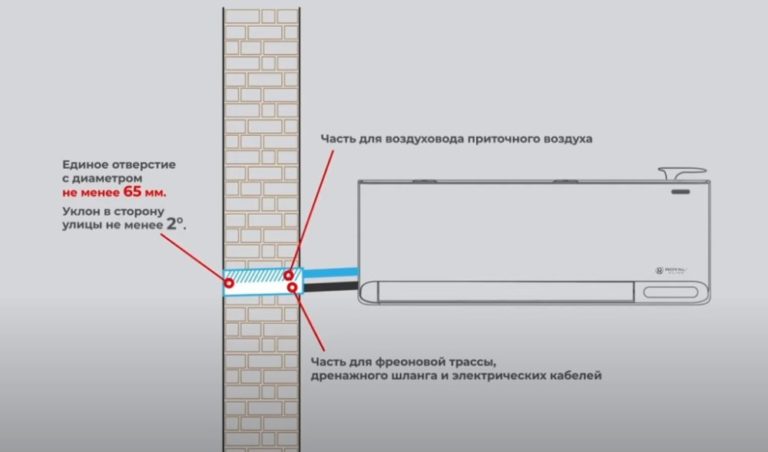
- Using a hammer drill with a diamond core bit or a concrete drill bit, drill a hole. Make the diameter for the air duct outlet at least 65 mm. Allow for a slope of 2O towards the street to drain condensate.
The rest of the installation process is the same as for a standard air conditioner. Follow the manufacturer's instructions to secure the indoor unit to the mounting plate.
Bring the utility lines outside through the holes in the wall. Secure the outdoor unit to the façade. Connect the power cable and copper pipes to the supply and return valves.
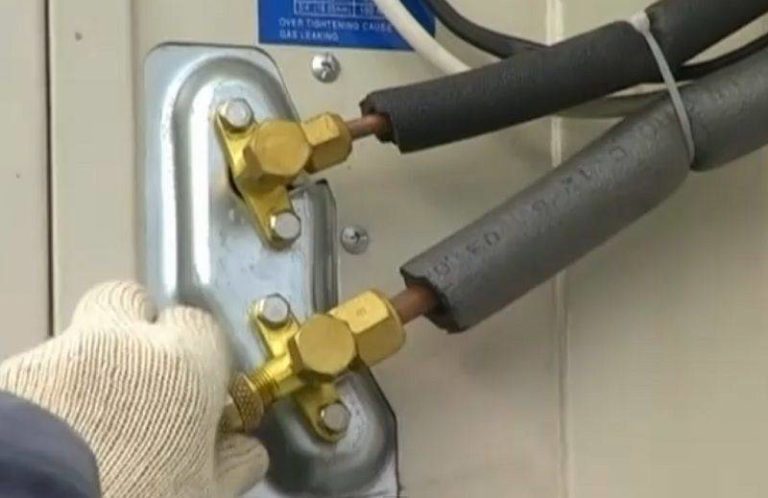
Unscrew the cap on the top valve. Insert a hex key into the socket. Turn the stem counterclockwise half a turn. On the bottom valve, use a nail to press on the nipple hidden inside the filler neck. The pressurized freon flowing through the tubes will displace the air.
After purging the system, attach a pressure gauge to the filler nipple and open the top valve with a wrench. Let the system sit for 2 hours to test. If the pressure on the gauge reads approximately 2.1 and there are no visible signs of freon leaks, start the air conditioner.
First, close the top valve. Apply power to the unit. Use the key to open the supply and return valves.
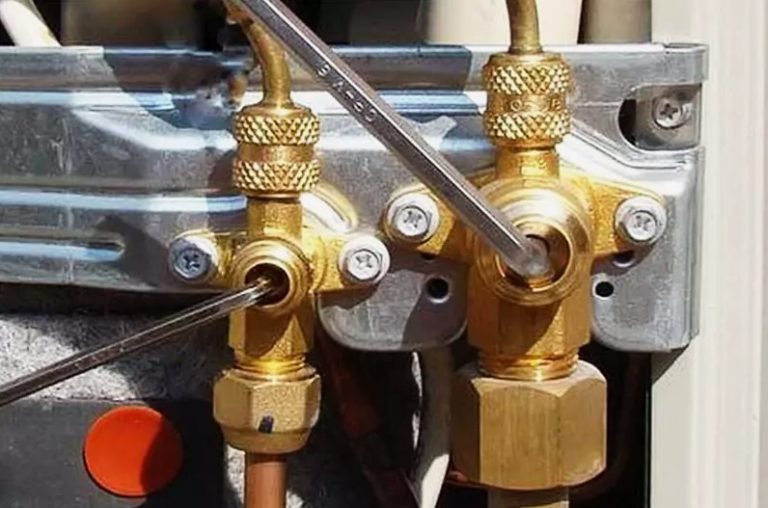
A rising pressure on the pressure gauge will signal the start of operation. Remove the gauge and close the valve plugs. Proceed to adjusting the indoor unit's operating modes.
Answers to frequently asked questions
The air conditioner circulates indoor air through the system. The supply ventilation system brings fresh air into the room from outside.
A ducted split system takes air from the room and then returns it to the air after processing.
In ventilation mode, the split system operates on the principle of a conventional fan without changing the air temperature.
A classic split-system system operates by collecting, processing, and then releasing air back into the room. Fresh air from outside is taken and mixed into the processed air by air conditioners with an intake function.