 The Russian polypropylene pipe market has seen a significant increase in the number of manufacturers over the past few years. There are several reasons for this, but the main ones are high consumer demand for polypropylene pipes and simple manufacturing technologies.
Many modern entrepreneurs from Russia are becoming manufacturers, but polypropylene pipes are also popular for the production of other products.
Below, after the list of manufacturers, we'll look at how these companies are organized and run their processes, as well as why many occupy this market niche.
List of polypropylene pipe manufacturers in Russia
There are several hundred high-quality polypropylene pipe manufacturers in the Russian Federation, but only a few are considered the most popular and largest enterprises. Here is a list of them:
As you can imagine, this list of the main manufacturers in the Russian polypropylene market is far from complete. There are hundreds of other companies that manufacture polypropylene pipes.
Let's consider the advantages of polypropylene products
This type of product has gained widespread popularity for a reason. There are many reasons why they are so popular. This is primarily due to the positive properties these products possess, which are listed below:
- Plastic products have very high strength;
- The material does not rust or rot;
- Able to withstand very large temperature changes;
- Do not affect the quality and taste of water;
- Plastic can be used for a very long time;
- Much lighter weight compared to metal materials.
Besides Thanks to simple manufacturing methods, polypropylene pipes and fittings they come out much cheaper than those made from other materials.
Production processes
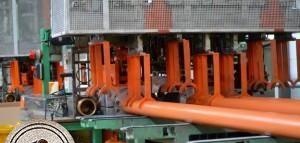
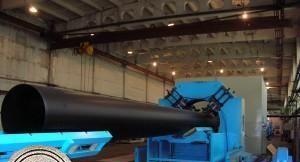
Polypropylene producers in Russia use an extruder for their primary production process. In it, the material undergoes multi-stage processing before being formed into a pipe. The entire production process is divided into several stages.
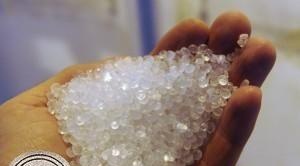
The first stage The production process involves preparing the required amount of raw material. Polypropylene, usually in the form of granules or chips, is then placed in a special chamber. Sometimes, companies use recycled material, which is mixed with the primary raw material.
When heated to 240 degrees Celsius, the shavings and granules begin to melt, eventually forming a sticky plastic substance. Thanks to the Teflon coating on the inner surface of the machine, the sticky substance does not stick to the walls.
Typically, Russian-made products are extruded using a 2.5-meter extruder. Since the process is completely autonomous, it proceeds very quickly. The operator's job is to monitor the machine's operation and troubleshoot any problems. Another task is to set the required extruder parameters.
The best machines in Russia produce an average of at least 200 kg of finished products per hour. A typical plastics plant in Russia can produce 1,000 meters of pipes. After the blanks are produced, they are cooled in special cooling baths, ensuring they retain their shape perfectly. After all stages of the process, the polypropylene pipes are marked with all necessary markings and then, after packaging, are shipped to the warehouse.
Equipment used
Each type of pipe requires its own production line. However, most lines consist of different components. Here's a list of the machines and equipment used at Russian companies of this type:
- Dispensers of different sizes for measuring and feeding raw materials;
- Extruder, which is the main means of production;
- Devices for pulling and sending products into the cooling system;
- Baths in the form of cooling systems;
- Machines for calibration of finished products;
- A device for cutting and measuring finished goods;
- Packers and labelers.
If you suddenly decide to open such a production facility in the Russian Federation, you will need between 700,000 and 2 million rubles to purchase the necessary equipment.
Raw materials
 In Russia, manufacturers use different types of raw materials, depending on the desired end product. Different materials have different performance properties, but here are two main types: propylene homopolymer is used for sewer pipes and fittings. Heating and plumbing systems use a foreign raw material—random propylene copolymer.

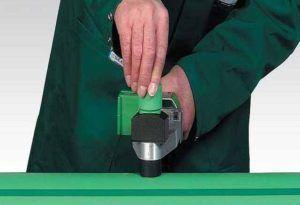
My husband and I also replaced all the old metal pipes in our apartment with polypropylene ones. He did it all himself, even though he had no prior experience. Plastic is easy to work with and much lighter than metal. Polypropylene doesn't affect the taste of the water and can withstand high temperatures. We've been using it for six months now and hope it lasts a long time.
I personally know the company "Ikaplast"; they definitely won't produce bad material. I visited their plant and saw with my own eyes how production works.