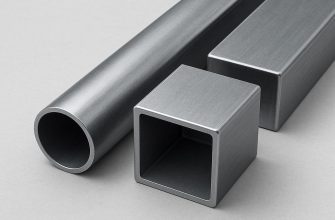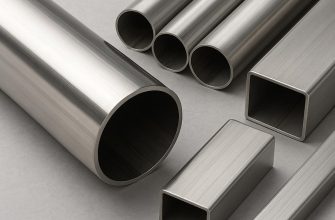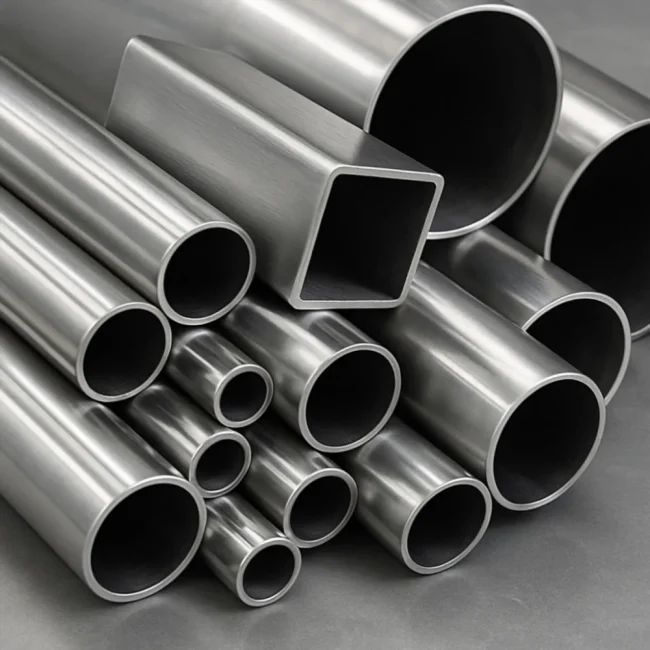
Stainless steel remains one of the most sought-after materials in modern construction, mechanical engineering, and the chemical industry. It is used in a wide variety of applications due to its strength, resistance to corrosion, and resistance to temperature fluctuations. Stainless steel pipes, classified according to various international standards, including the American AISI system, occupy a special place in this category. Let's take a closer look at the features and differences between the most popular grades.
What is AISI marking and why is it needed?
AISI (American Iron and Steel Institute) is a classification system developed by the American Iron and Steel Institute. It is used to designate steel types based on their chemical composition and properties. AISI markings make it easy to determine the content of chromium, nickel, and other alloying elements, which play a key role in a material's resistance to aggressive environments.
A wide range of AISI stainless steel pipes are available on the market. They differ in both structure and performance characteristics. The most common are AISI 304, AISI 316, and AISI 430. Each of these grades has its own specific characteristics and is used in different conditions.
AISI 304: versatility and balanced characteristics
AISI 304 is one of the most popular grades of stainless steel. This steel belongs to the austenitic class and contains approximately 18% chromium and 8% nickel. This composition ensures high resistance to corrosion, including exposure to atmospheric precipitation, tap water, and weak acids.
AISI 304 stainless steel round pipe is frequently used in the food industry, pharmaceuticals, restaurant and hospital equipment manufacturing, and private construction. It is easy to weld, cut, and process, making it convenient for installation and assembly of complex structures.
Comparison of AISI 304 and AISI 316
Despite its similar structure, AISI 316 has improved corrosion resistance due to the addition of molybdenum (approximately 2-3%). This makes it more resistant to seawater, chlorine-containing environments, and conditions of constant contact with chemically aggressive substances.
AISI 316 stainless steel pipes are often used in the chemical industry, on offshore platforms, and in the production of medical implants. While AISI 304 is considered a universal option, AISI 316 is chosen when enhanced corrosion protection is required.
However, it's worth noting that AISI 316 is significantly more expensive. Therefore, in moderately aggressive environments, AISI 304 stainless steel round pipe is more often used as a more affordable alternative.
AISI 430 and other ferritic steels
Ferritic grades, such as AISI 430, differ from austenitic grades in their properties. AISI 430 contains approximately 17% chromium but no nickel. This reduces its corrosion resistance compared to AISI 304, especially in acidic environments. However, the cost of ferritic steel is significantly lower, making it suitable for decorative elements, appliance housings, and structures not exposed to moisture.
AISI ferritic stainless steel pipes are used in applications where cost effectiveness is the primary consideration, not resistance to aggressive environments. These pipes are formable but have limited welding properties.
Mechanical properties and temperature range
AISI 304 stainless steel round pipe tolerates temperature fluctuations well and can be used in a range from –196 to +600°C. This makes it suitable for both low- and high-temperature environments. Its mechanical properties include a tensile strength of approximately 520 MPa and a yield strength of 215 MPa.
For most applications not involving extreme loads, these parameters are quite sufficient. Furthermore, the material is resistant to rust, even with prolonged exposure to moisture and oxygen.
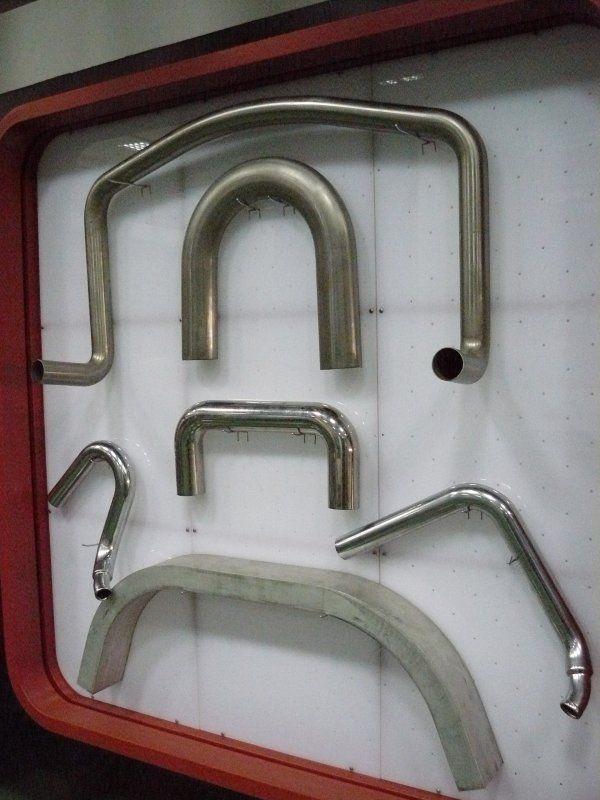
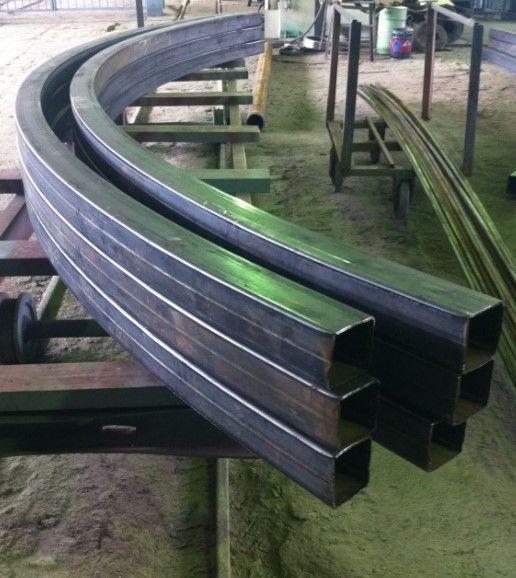
AISI stainless steel pipes, regardless of their specific modification, are highly ductile, allowing them to withstand significant bending and axial loads without failure.
Application in various industries
In practice, stainless steel is used in virtually every industry. In the food industry, AISI 304 stainless steel round pipe is used to transport liquids and bulk solids. In construction, it is used in ventilation and sewerage systems. In mechanical engineering, it is used as a structural element for wear-and-tear applications.
For the chemical, oil and gas, and marine industries, AISI 316 is preferred, especially for applications that are exposed to aggressive substances. In decorative and interior applications, especially in dry environments, cheaper ferritic steels are often used.
AISI stainless steel pipes are also used in architectural projects, from railings and fences to lightweight canopy frames. Here, not only their strength but also their aesthetic appeal are particularly prized.
Features of selection
The choice of steel grade depends on the following factors:
- terms of Use: humidity, acidity, temperature changes;
- Appearance requirements: polishing, decorative finishing;
- Project budget: significant difference in price between brands;
- Processing methods: suitability for welding, bending, cutting.
Thus, AISI 304 stainless steel round pipe is well suited for general-purpose applications, particularly where a combination of strength, corrosion resistance, and ease of installation is required. However, if maximum stability in aggressive conditions is required, AISI 316 is a better choice.
Conclusion
Understanding the differences between stainless steel grades is key to choosing the right material. AISI stainless steel pipes, whether 304, 316, or 430, have unique properties that affect their service life, resistance to external influences, and ease of processing.
When selecting a specific pipe, it's important to consider not only its chemical composition but also the expected operating conditions. A balanced approach allows for the optimal solution to be selected that meets both technical and economic requirements.