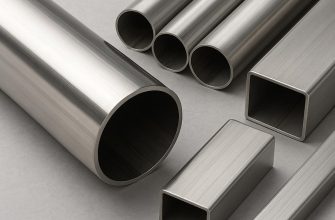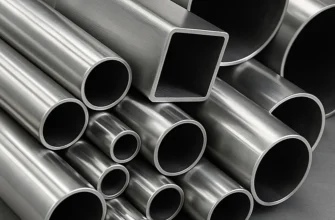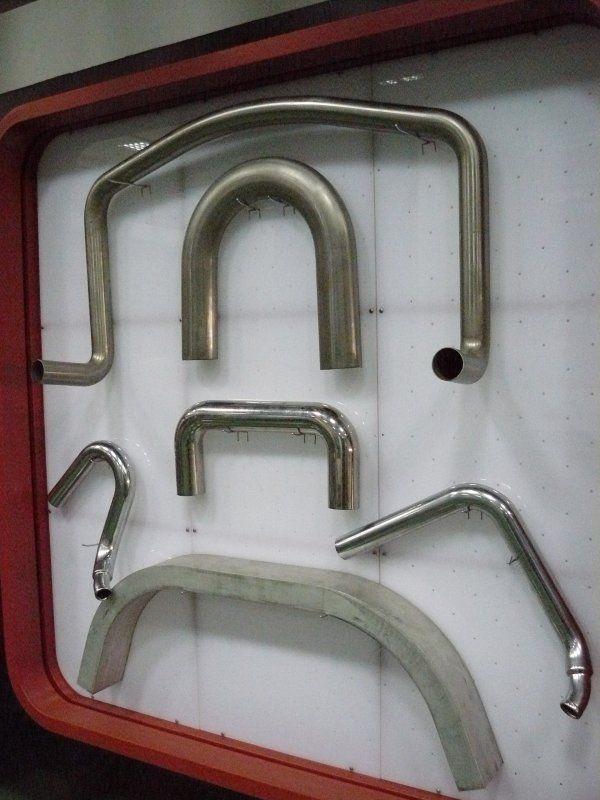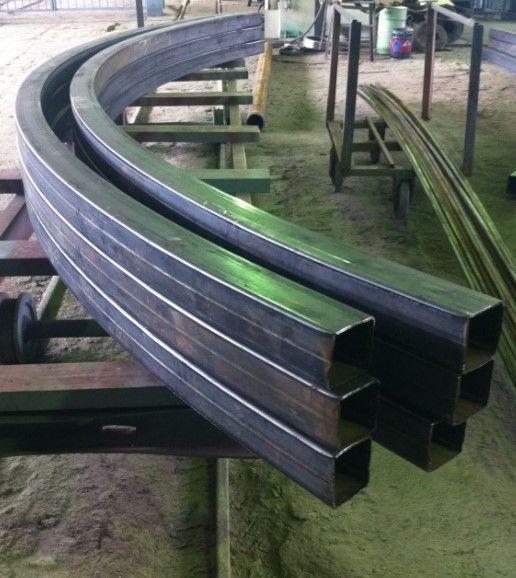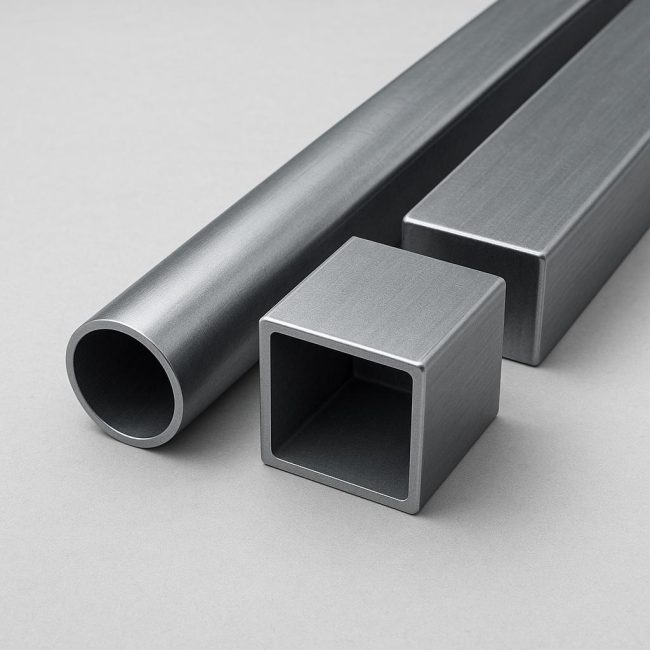
Rolled metal products in the form of hollow sections are widely used in construction, mechanical engineering, furniture production, and private projects. Even at the planning stage, many craftsmen consider whether to buy a square tube or choose another type of profile to ensure a durable, cost-effective, and easy-to-work-with structure. The choice of shape truly affects the material's performance under load, the complexity of processing, and the final cost of the product.
In this article, we'll take a detailed look at the differences between round, square, and rectangular profiles to help you understand their real advantages and limitations without being too salesy.
- What do all types of profile pipes have in common?
- Round pipe: properties, pros and cons
- Features and Benefits
- Limitations of a round profile
- Square pipe: where it is appropriate and why it is chosen
- Advantages
- Flaws
- Rectangular tube: ideal for spans and load-bearing structures
- Key Benefits
- Possible disadvantages
- Where is it best to use each type of profile?
- How to calculate the profile selection for a task
- Determine the nature of the load
- Calculate the span length and support points
- Wall thickness is just as important as shape
- Consider the operating conditions
- Tips for Beginners
- Bottom line: what to choose?
What do all types of profile pipes have in common?
Round, square, and rectangular tubes are classified as hollow metal profiles. General properties:
- Weight savings compared to solid rolled products with sufficient strength.
- Ease of assembly — pipes are easy to weld, cut, and machine.
- Corrosion resistance when using protective coatings (zinc, primer, powder paint).
- Availability of sizes and wall thicknesses, which allows you to select the material for specific loads.
However, differences in geometry make each type of profile optimal for its own purposes.
Round pipe: properties, pros and cons
Features and Benefits
The round profile is considered a classic option. Its key characteristics are:
- Uniform load distribution Circumferential: The pipe performs well under internal pressure, torque and bending.
- Minimum aerodynamic drag — important for fences, masts, pipelines.
- Aesthetics — visually fits softly into the architecture, appropriate for design projects.
Round pipes are most often purchased for use in water and gas supply systems, in the production of railings, fences, handrails, and decorative elements.
Limitations of a round profile
- It is more difficult to fasten planes: sheets, panels and other elements do not have a stable support.
- Less convenient when creating frames and frameworks with rectilinear geometry.
- Less resistance to lateral loads compared to a rectangular profile with the same metal consumption.
Square pipe: where it is appropriate and why it is chosen
Square tubing is one of the most versatile profiles. Many people consider square tubing a logical choice when it comes to building a frame. Let's take a closer look at what makes it so popular.
Advantages
- Resistance to bending and twisting in different directions - due to the symmetry of the section.
- Convenience of mounting planes: It is easy to attach sheet materials to a square tube.
- The aesthetics of strict geometry - looks good in modern design.
Beginners often start with a square profile: it is easier to mark, cut, weld, and does not “walk” when fixed in a clamp.
Flaws
- In a number of designs, a square profile is inferior to a rectangular one in terms of deflection over large spans.
- A slight increase in metal consumption compared to a rectangular pipe of similar strength.
Rectangular tube: ideal for spans and load-bearing structures
In the middle of the article, it makes sense to move on to options where it makes more sense to buy a rectangular pipe, since this shape is considered optimal for situations where a combination of lightness and high rigidity is required.
Key Benefits
- Better bending resistance along the long side: the profile can withstand heavy loads with minimal weight.
- Rational consumption of metal — with proper calculations, the cost and weight of the structure can be reduced.
- Optimal for long-span load-bearing elements - trusses, canopies, ceilings, flights of stairs.
Possible disadvantages
- Visually it looks more technical and less versatile in decorative projects.
- Requires precise calculations of the orientation of the sides: an error in the placement of a long or short shelf can reduce strength.
Where is it best to use each type of profile?
Below is a brief but comprehensive analysis of practical situations.
| Task / Project | Optimal profile | Why |
|---|---|---|
| Pipelines, railings, masts | Round | Works better under pressure and torsion |
| Decorative structures, furniture, fences | Square | Universal installation, aesthetic appearance |
| Load-bearing beams, canopies, large-span gates | Rectangular | The best bending rigidity |
| Shelves, workshop workbenches | Square / Rectangular | Depends on the length and load |
| Welding Projects for Beginners | Square | Easier to work with |
How to calculate the profile selection for a task
Determine the nature of the load
- Static (shelves, fencing)
- Dynamic (gates, moving elements)
- Spot or distributed
Calculate the span length and support points
For spans greater than 1.5–2 metres, a rectangular pipe usually performs better.
Wall thickness is just as important as shape
- Lightweight structures: 1.2–1.5 mm
- Average load: 2–2.5 mm
- High load: 3 mm and above
Consider the operating conditions
- Street: Galvanizing or painting is required
- Humidity/temperature fluctuations: it is better to choose a material with protection or stainless steel
Tips for Beginners
- Don't choose a profile "with a reserve" by eye: excess metal consumption increases the price and weight, and complicates installation.
- Plan your connections in advance — the convenience of working with a round or square surface depends on this.
- Try combining profiles: round - for decorative details, rectangular - for the power base.
Bottom line: what to choose?
Each type of profile pipe is relevant if used for its intended purpose:
- Round - for aesthetics, pipelines, parts with torsion.
- Square - for universal frames, furniture, fences.
- Rectangular - for load-bearing architectural and technical structures with long spans.
The key point: choosing a shape isn't a matter of fashion or advice from friends, but a calculation. Understanding the specifics of profiles allows you to create reliable, durable, and efficient designs without unnecessary expense.