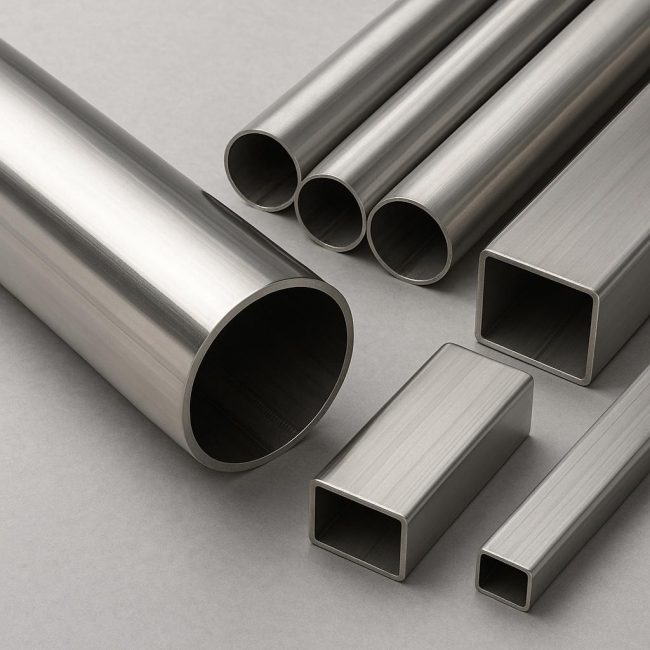
Stainless steel is widely used in various industries, from the food industry to mechanical engineering. Pipes remain one of the most popular products made from this material, varying not only in diameter or length but also in production method, wall thickness, and steel grade. Selecting the right option depends on many factors, from operating conditions to pressure and sealing requirements. In this article, we'll examine the main types of stainless steel pipes, their features, and applications, focusing on the differences between seamless, welded, and profiled products.
Classification of stainless steel pipes
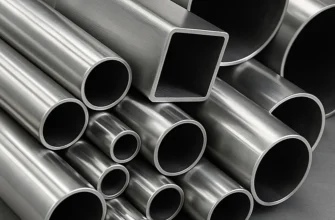
According to the manufacturing method, stainless steel pipes are divided into:
- seamless (hot-deformed and cold-deformed);
- electric-welded;
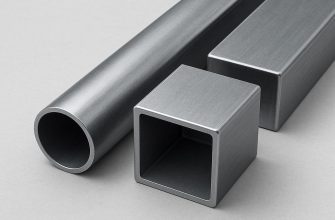
- profiled (square and rectangular).
Each type has its own specific characteristics, advantages, and limitations. For high-load and aggressive environments, pipes that have undergone leak testing and deformation resistance are used.
Seamless pipes: high pressure and reliability
Seamless pipes are produced by rolling a solid blank, eliminating welds that could otherwise become weak points. This makes them preferred for:
- petrochemical industry;
- energy drinks;
- work with high pressures and temperatures.
However, the production of such pipes is more labor-intensive and expensive, which directly impacts their cost. Therefore, in cases where extreme strength is not required, more affordable options are often used.
Electric-welded pipes: a balance of strength and cost
For most standard engineering and construction applications, electric-welded pipes are sufficient. These products are manufactured from flat metal sheets welded along a longitudinal seam. Modern technologies allow for the creation of welded joints that are virtually as strong as the base metal.
Electric-welded stainless steel pipe is widely used in ventilation systems, pipelines, enclosing structures, and decorative and architectural elements. Its advantages include stable geometry, the ability to manufacture large quantities to specified specifications, and cost effectiveness.
Among the disadvantages is the presence of a welded seam, which, despite its high quality, can still pose a potential hazard when exposed to aggressive environments or heavy loads. Therefore, when choosing, it is important to consider the expected operating conditions.
Features of AISI 304 steel grade
One of the most versatile and sought-after alloys is AISI 304. This grade is an austenitic chromium-nickel stainless steel characterized by high corrosion resistance, including in mildly aggressive environments. It is easily welded, cut, and formed, making it popular in a wide variety of industries.
AISI 304 stainless steel pipe is most commonly used in the food, chemical, and pharmaceutical industries, as well as in construction and interior design. This steel is suitable for both seamless and welded pipe, maintaining rust resistance, even in high humidity.
Limitations include limited chemical resistance to strong acids, as well as relatively low heat resistance compared to specialized grades.
Profiled pipes: functionality and design
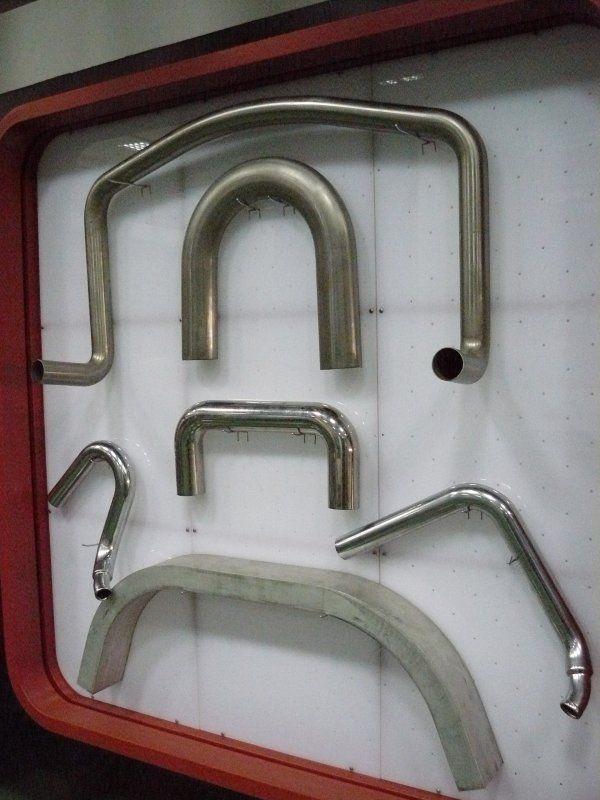
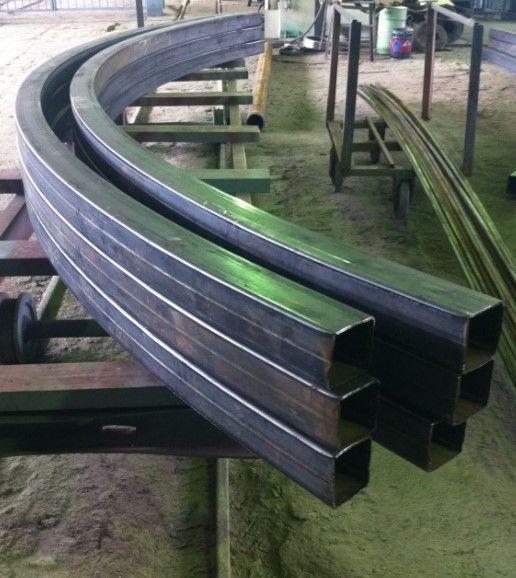
Profiled stainless steel pipes vary in cross-sectional shape—they can be square or rectangular. This makes them particularly suitable for use in frame structures, fencing, retail equipment, and furniture manufacturing. In addition to their high strength, profiled products have a neat appearance and blend well with modern architectural designs.
They are usually made from electric-welded blanks. Here, too, it can be used electric-welded stainless steel pipe, pre-processed and tested for dimensional accuracy and seam quality.
Comparison: When and Which Pipe to Choose
| Pipe type | Main advantages | Scope of application |
|---|---|---|
| Seamless | Durability, tightness, no seams | Energy, chemistry, shipbuilding |
| Electric welding | Accessibility, stable geometry | Ventilation, water supply, construction purposes |
| Profiled | Resistance to loads, aesthetics | Furniture, architecture, design |
However, when dealing with aggressive external environments or sanitary requirements, AISI 304 steel is often preferred. Like any pipe, AISI 304 stainless steel maintains its appearance and functionality even in constant humidity or exposure to detergents.
Conclusion
The choice between seamless, electric-welded, and profiled pipe depends not only on budget but also on specific technical requirements. Seamless products are suitable for high-pressure industrial systems. Where dimensional stability, ease of installation, and affordability are important, electric-welded stainless steel pipe is an effective solution. Meanwhile, for food production, water supply systems, and interior design, AISI 304 stainless steel pipe is increasingly being chosen—a versatile, time-tested material.
A smart approach to selecting tubular products begins with an analysis of their operating conditions, regulatory requirements, and economic feasibility. This not only optimizes costs but also ensures the reliability of the entire system for years to come.