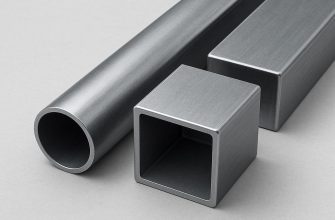
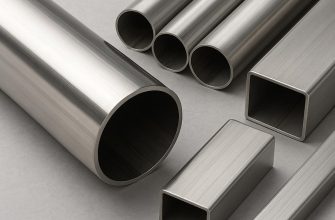
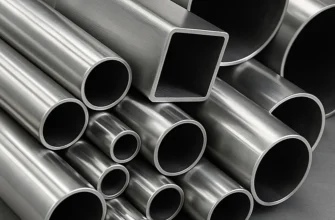
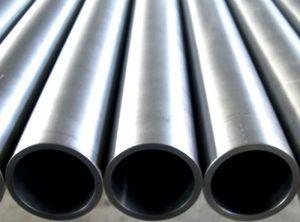
 Steel pipes for electrical wiring are used to protect wires and cables from any type of mechanical damage when laid in concrete floors, walls, or when entering buildings.
In addition, steel pipes protect electrical wiring from contamination, rain, sun and other environmental influences.
Undoubtedly, steel pipelines have many positive characteristics, but resorting to this type of installation is recommended only in situations where other options are not suitable.
At agricultural production facilities, steel pipes are used for electrical wiring in fire- and explosion-hazardous areas, warehouses where flammable materials, flammable liquids, varnish, paint, etc. are stored.
For this type of pipeline, thin-walled, threadless steel products are used. Special electrical steel tubing is also used, which has threads and a single coupling. This type of tubing is best suited for installation in hazardous areas.
They are produced without a protective top coating, they are black in colour and have a galvanised coating on the inside.
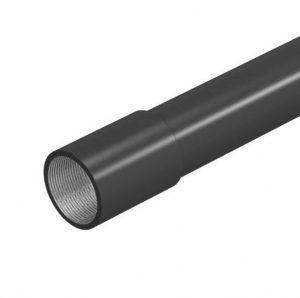
In rooms with low humidity, the joints in these pipelines are not sealed. However, in dusty rooms with dust, gas, or moisture, and with hidden installations, they are connected using threaded couplings with a sealant.
Steel components used for electrical wiring must have a good anti-corrosion coating. For this reason, they are painted after installation. Kuzbasslakom.

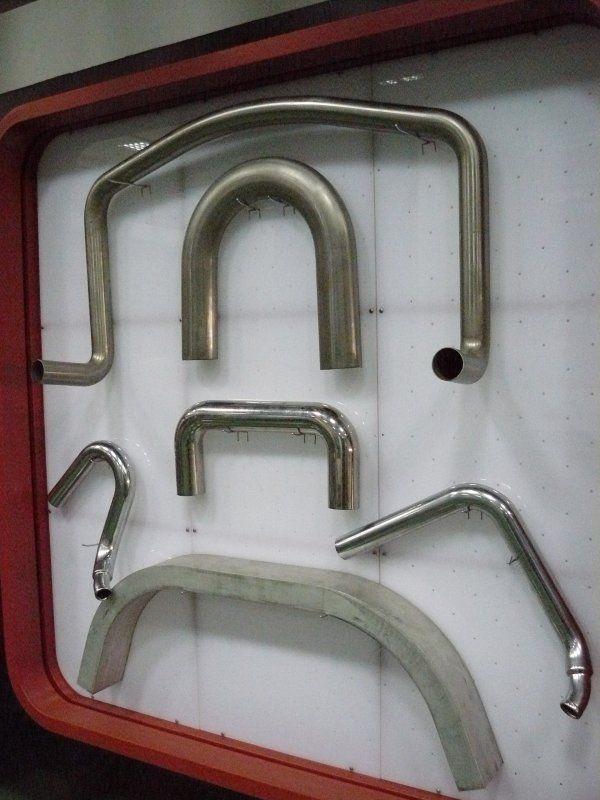
When installing this type of electrical conduit, bends are permitted. However, the angle should not exceed ninety degrees. If two bends are planned, the length of the section should not exceed five meters. A straight section of pipeline can be installed up to ten meters long.
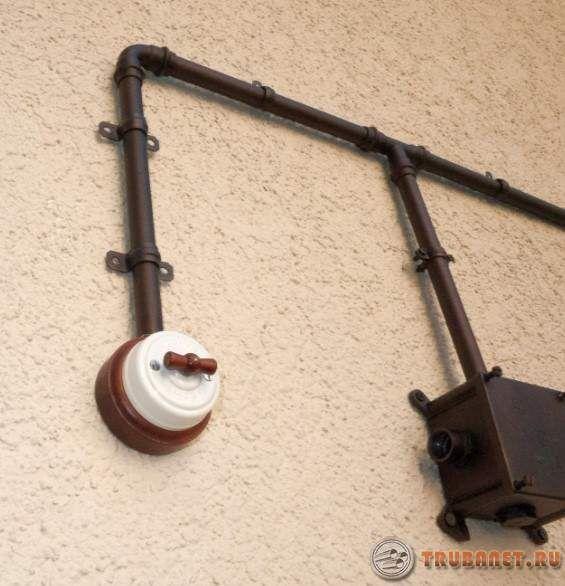
It's best to lay steel electrical conduits at an angle on straight sections. Otherwise, liquid will accumulate on them. It's recommended to slope the conduit toward the junction box. This will help prevent short circuits.
Types and characteristics of steel pipes for electrical wiring
Choosing pipes for electrical wiring, It's important to consider their full list of characteristics; in this case, the price is generally affordable. By understanding their features, you can purchase high-quality products.
In addition to the material they are made from, these products are differentiated by their design features. These can be:
- straight;
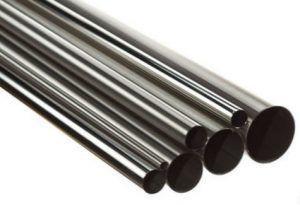
- corrugated.
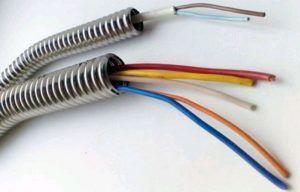
Very important characteristics of pipes for wiring are:
- Diameter.
- Density index.
- Length.
- Weight.
- Bending capability.
Features of steel pipes. The advantages of steel tubing for electrical wiring include:
- High level of reliability.
- Long period of use.
- Fire resistance.
- resistance to various types of impact.
Only such products will require constant maintenance, and even regular painting does not always protect against corrosion.
IMPORTANT! It's important to understand that the price of the products for this line is quite reasonable and affordable. The cost of products in this case varies. However, products that meet established standards cannot be included in the low-cost lineup. Therefore, when choosing, it's important to balance the technical specifications with the price.
GOST standards
Seamless steel pipes for electrical wiring are regulated by GOST 8732-78. Their weight is the primary indicator for pricing. In addition, GOST contains tables indicating the weight of one linear meter of thin-walled pipes depending on their wall thickness and volume. To fully understand the relationship between these characteristics, it's important to carefully study these tables.
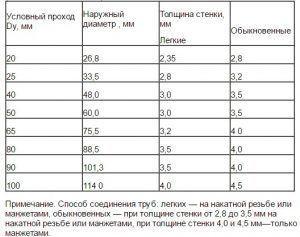
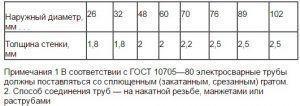

The most common mistake when installing electrical wiring is relying on resources that direct visitors not to current GOST standards, but to materials that are long out of date. For example, the erroneous recommendation to install PUNP wire, which, compared to newer models, is a high fire hazard.
It's important to remember that wiring errors, as well as poor insulation, can lead to very serious problems. Any violation of regulations or installation errors can result in the network becoming life-threatening.
Therefore, if you have any doubts about choosing electrical conduits, you can seek help from specialists. They will assist you with the selection and, if necessary, perform installation work.
Corrugated products
Corrugated steel pipe for electrical wiring has a number of advantages over other options for the main line:
- Corrugated steel pipes have a long service life, which is unlimited.
- Corrugated steel cut is characterized by high strength and reliability.
- These electrical wiring products offer enhanced protection against mechanical impacts. For example, corrugated conduit can easily withstand pressures of up to sixty-five atmospheres.
- Corrugated pipe products are plastic and flexible.
- They bend without the use of special tools. Crucially, their cross-section remains unchanged. They also won't crack or suffer mechanical stress when bent.
- Resistant to corrosion, thanks to the high-alloy polished steel strip.
- Corrugated pipe products are environmentally friendly.
- This type of pipeline will not become covered with fungus and mold, which is an important fact for areas with high humidity.
- Wiring installation doesn't require hiring professionals or purchasing special tools. All installation work can be easily done on your own.
- They are multifunctional. They are widely used not only for electrical wiring, but also in heating systems, water supply systems, gas pipelines, and fire extinguishing systems.
Video
This type of rolled pipe allows for compliance with fire safety regulations when installing networks using concealed installation methods. They are also permitted for use in wooden structures when used in conjunction with other fire-resistant materials, such as asbestos. In such situations, even a short circuit will prevent fire.
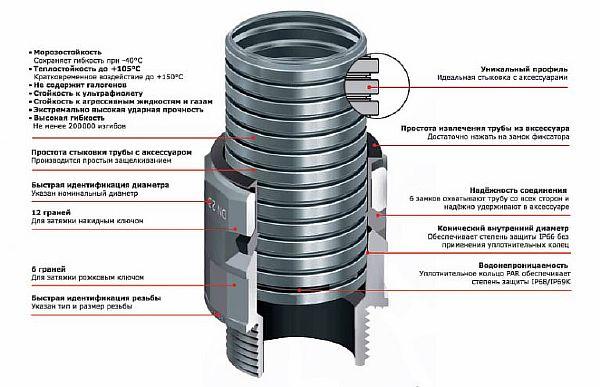
Corrugated steel pipe can be installed in a layer of plaster or under cladding installed on a frame. For ease of installation, these products include a steel wire guide.
Video
The presence of standardized fasteners (clips) also significantly simplifies installation. They are easily attached to the wall with screws, and the piece itself is installed by pressing the clip. A distinctive click is heard when it locks into place.
Although the appearance of corrugated wiring is unattractive, with some experience, this type of installation can be done very neatly. In spaces such as a country house or a summer cottage, this type of wiring can be a very practical solution, offering significant savings.
Pipes and their characteristics
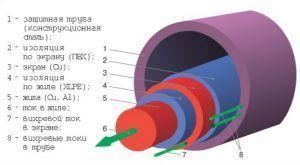 Steel conduits for electrical wiring represent a product line designed to reliably protect cables for industrial equipment. The appearance of these conduits can be seen in the photos provided.
Some of the characteristic features of this product include:
- The base material is non-flammable and is used in many areas where a high level of thermal and mechanical resistance is required.
- High flexibility index.
- Increased wear resistance.
- Impact load tolerance.
- Resistance to ultraviolet radiation.
- Resistance to aggressive influence of oils and various types of fuel.
- High level of protection against electromagnetic influence.
When discussing electrical conduits, it's important to note that these types of conduits, available in various sealed insulation options, make it possible to create a reliable electrical wiring network with excellent protection against contamination and moisture.
Our wide range allows us to build networks of any complexity, fully compliant with all standards and temperature requirements. This unique range of rolled pipe is designed for projects in the chemical and food industries.
Video
The advantages of pipes are as follows:
- Construction without defects and burrs.
- Excellent resistance to corrosive formations.
- Manufactured from stainless steel, which is approved for food and chemical production.
- Ease of design.
- Workpieces and accessories are securely and easily secured, ensuring a high level of sealing.
- Increased tensile strength.
- Auxiliary elements for installation of products significantly speed up this process.
Steel conduits for electrical wiring have proven themselves to be a reliable, affordable, and high-quality material. These products withstand high mechanical loads and provide excellent protection for wiring.